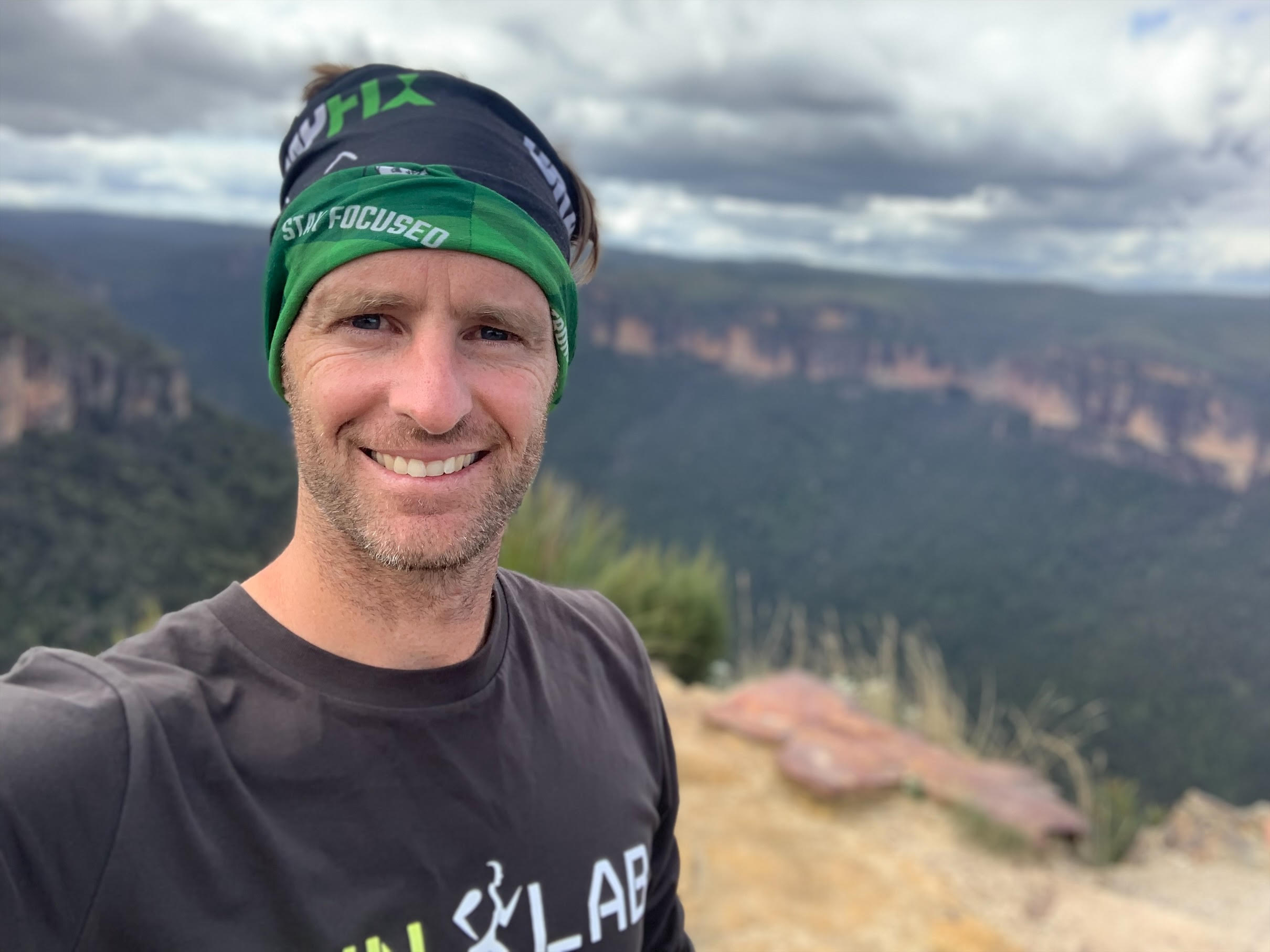
Mindset for setting goals and achieving them
Andrew Gardner is a scholar of mental performance. He is a clinical psychologist and his area of expertise and interest is thinking skills, he evaluates people’s cognition as a clinical neuropsychologist. His particular area of research is helping athletes who are suffering from or at risk of concussion from playing “collision sports.” He has worked with many elite athletes and at the community and grassroots level in injury prevention, injury assessment and a research program that consists of analyzing retired players and the possible long term consequences of a career in contact and collision sports.
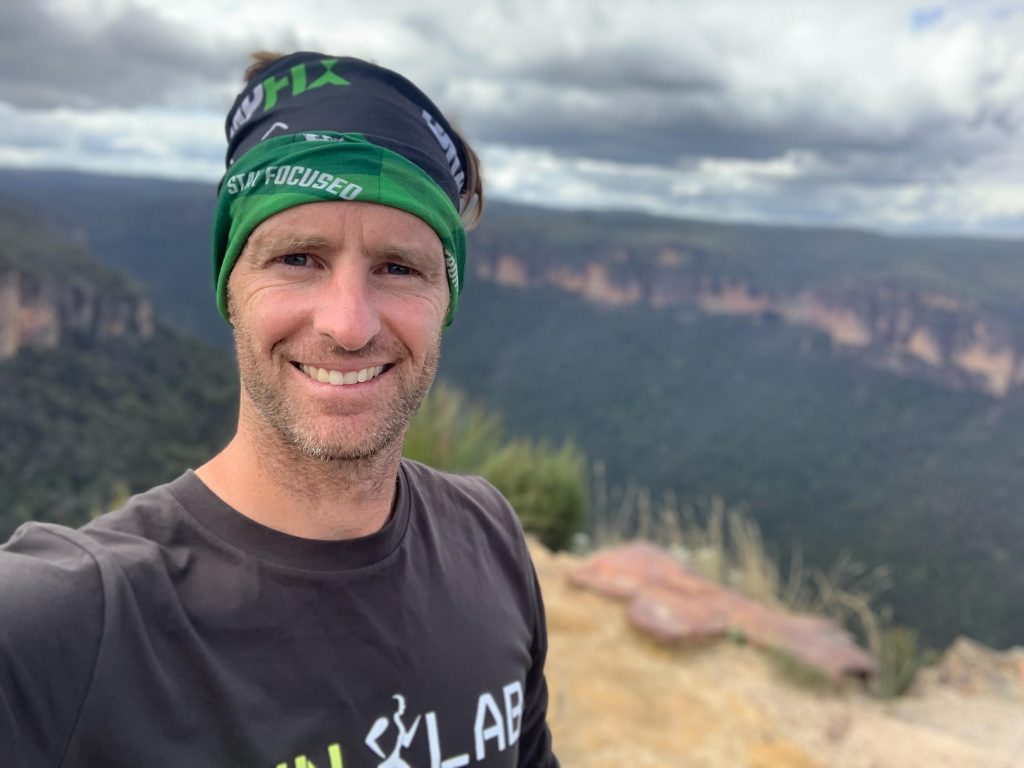
This year he will be running one of the toughest trail marathons in Australia, 45 kilometers in the Blue Mountains in Sydney. He plans to be competitive, but he will keep in mind that his race at the Boston Marathon comes shortly after this, and that is his A-race for this year.
He says that as a lot of people know, running is huge for mental health. It’s yourself being active that creates the endorphins kicking inside the brain. The reward system from these endorphins can be a huge boost to help keep people from falling into depression.
Andrew was always involved in running, but he never took it that seriously. When he was forced to be working from home, he began to take it more seriously, making time to go run. He joined a local running club and it was actually when he started working from home and had a little bit more time to be able to get out and run, and he joined a local running club. The club gave him structure and a systematic training schedule.
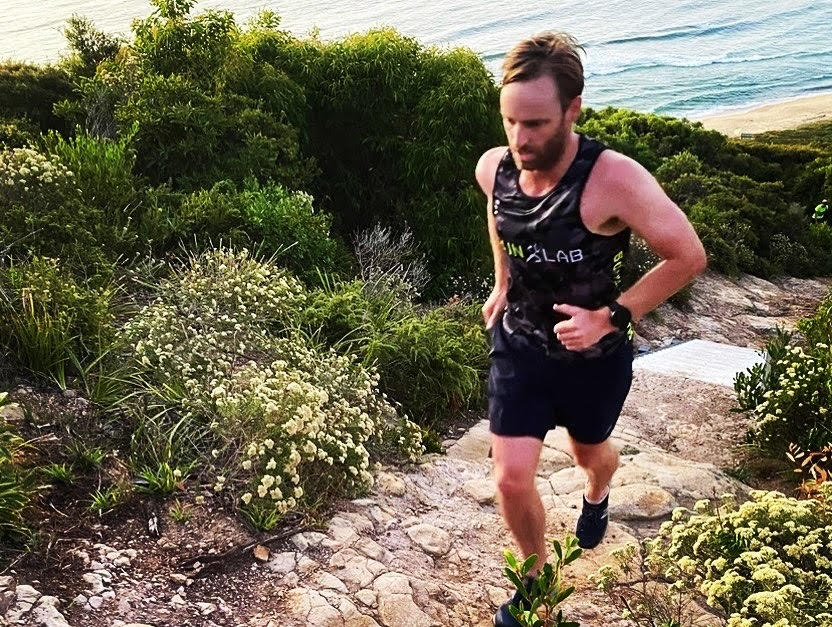
The head coach and founder is an elite level runner who won the Tarawara ultramarathon in New Zealand. He broke the course record by 45 minutes. He also had qualified for the Olympics for the marathon to represent Australia. The club is structured like the school system, in 10-week terms. They focus on different training objectives within each term: strength, hills, speed. Andrew is the mental performance coach for the club.
One of the things he coaches the members on is self-image. What you believe to be true, your mind will deliver to you. If you believe you are a slow runner and that you can’t run as fast as the other runners in the race, you won’t perform well. He teaches strategies for how to grow self-image and how to keep self-image from shrinking.
He also teaches about goals and structures. It’s not enough to have a single goal, like running a sub-3hr marathon. You also have to have goals for the training blocks you need to get you to your main goal. And you have to put structures in place to support these goals. He calls these “process goals.” They support the “outcome goal” or the main goal you set. He points out that the process goals you have control over. The outcome goal is less certain because there are other factors that can impact that outcome. Ultramarathon runners are familiar with these unexpected challenges on race day!
In the club they also work a lot on motivation and key strategies to stay motivated. Andrew says that one of the most important things he learned is that life is really a game of strategy. It’s not about talent. If you have the right strategy, you can achieve anything you want. They talk about the fear of failure, and the strategies for not worrying about what people think of you. They focus on learning from the outcome.
Andrew says it’s important to learn how to get rid of bad thoughts, get back to the present moment and move forward. He teaches mental imagery to help accomplish this state.He says that, if you can make these images, the brain can’t distinguish between what’s real and what’s imagination.
If someone is having difficulty creating those mental images, he recommends looking in your memory bank to a time when you executed really well. Go back there and rehearse what happened and imagine yourself doing it again and getting stronger. Once you experience the feelings, sights, smells, and experiences of that moment, shift your image in your imagination into your future and see your success.
Andrew ran in the UTA Australia, a 100K trail race, but unfortunately his leg slipped to the side and he almost fell. He tweaked a muscle and nursed it for a few more kilometers before deciding to drop. He woke up the next day feeling fine. So two weeks later he went with some friends and ran a 100K course to finish what he had started.

He says that we can’t regret what happened, that the way to process it should be to learn from the lessons. In that race he could have done himself a lot of damage if he followed the 45 k that was left. For him before going into a race you have to ask yourself what could potentially happen and know if you have a strategy to get there. That’s what they talk about in his club. They plan all the possible scenarios that could happen and what would be the decisions they would make as a result. For example Andrew says that if he gets injured in the Boston Marathon he’s going to finish that race no matter what. That is his main goal race for the year and he will finish.
The Boston Marathon has a charity and the fundraiser Andrew has chosen goes to the Spaulding Rehabilitation Hospital which is based in Charlestown, right in the heart of the city of Boston.
Andrew loves trials, he loves exploring new things. When he began running, he ran parkruns on the weekends and ran a few miles as fast as he could a few days a week. Most of Andrew’s runs now are long and slow, and then he has a couple of interval sessions. He prefers to make sure of distance and endurance over speed.
Connect with Andrew:
Instagram: https://www.instagram.com/the_ultra_mentality/
Instagram: https://www.instagram.com/runlabhq/
Boston Marathon charity: Spaulding Rehabilitation Hospital
Andrew Gardner’s bio: https://www.newcastle.edu.au/profile/andrew-gardner
Leave a Reply