Category: Podcast

Great conversations with runners and others who have an ultramarathon mindset.

  • Sugar Sand Ultra Running: Shaun Bemis

    Sugar Sand Ultra Running: Shaun Bemis

    Mindset to keep going with help from family.

    For this week my guest is Shaun Bemis. He is a soon-to-be retired Naval Special Warfare Leader, and ultra-runner. He joined the service the day after the attacks of 9/11 and he worked in Navy Intelligence, giving support to special forces operations. 

    Shaun was a competitive and fast soccer player growing up, but he really hated running more than a few miles. But it was while visiting family in Brooklyn that he started running in the mornings as a way to explore the city. Running became an everyday thing for him, and he decided that he would run a marathon. The New York City marathon seemed to him to be a fitting way to commemorate the last year of his Navy career. But he didn’t make it into the lottery. 
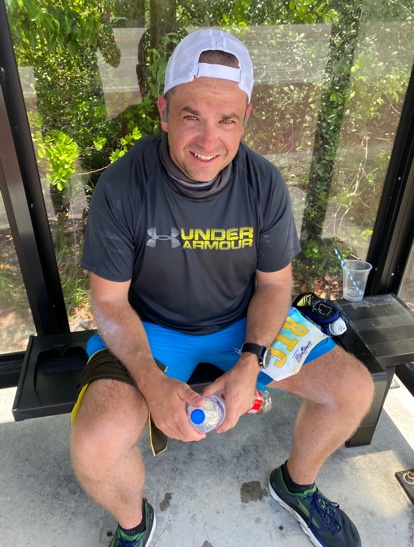
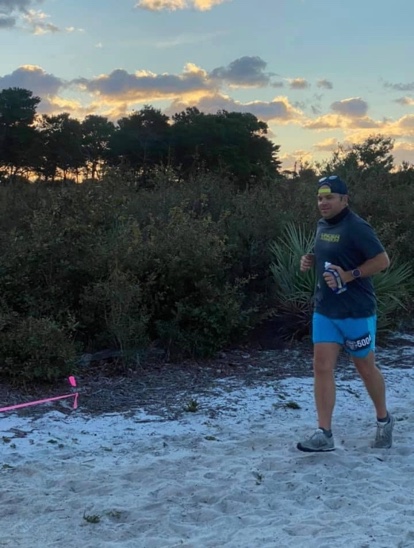
    Then he discovered ultramarathons. Why run a regular marathon when you could run an ULTRAmarathon? So he signed up for the Jupiter Ridge Sand Spur 50K in Jupiter, FL. It is a looped course (9 loops for a 50K) that is soft “sugar sand,” and it includes climbing and descending a sand dune. 

    Shaun’s 14-year-old daughter was his crew for the race. And when he felt like he couldn’t go on, she said, “Dad. You’ve got this.” That was the encouragement he needed to reframe his mindset and keep going.

    His next ultra was a road race of 50 miles to Key West, FL. The heat was brutal, and the physical challenges brought up doubts and fears in his mind. His wife was his crew and encouraged him, and he listened to a podcast from a mindset coach who did a doctoral thesis on the mindset of the ultra-runner. The words he heard helped normalize the experience he was going through, and he was able to finish.
    He has his eye on more ultra-running adventures in the future, along with pursuing new career opportunities after he retires from the Navy.


    Connect with Shaun:

    LinkedIn: https://www.linkedin.com/in/shaunbemis/

  • Mindset of Mysticism and Suffering – Gwen Zywicke

    Mindset of Mysticism and Suffering – Gwen Zywicke

    Running with your mind, body, and spirit.

    My guest this week is Gwen Zywicke. She is a runner, cyclist, Instructor at Louisiana State University and writer. She is an ultramarathon runner who is studying the relationship between ultrarunning and mysticism. And she’s writing a book called Ultrarunning Mysticism:  Mind, Body, Spirit and the Sacredness of Overcoming Suffering.

    When she got to Louisiana she realized that there were a lot of bad drivers. She regularly heard stories on the news about cyclists getting hit by cars so she decided to stop cycling. And she switched to running. She was training with a friend who had run ultramarathons and she thought he was absolutely crazy but decided to give it a try. She now runs 50k, 50 miles, and an occasional 100K.

    Gwen became interested in the connection between endurance and mysticism when she had mystical experiences of her own when running and cycling. As she did more research, she found that such experiences are common among endurance runners. And other cultures have traditions of hard physical endurance to attain mystical experiences or enlightenment.

    The connection between mind, body, and spirit has a scientific basis as well. Our minds and bodies interact in a neurochemical cycle, and the chemicals our bodies can produce when we push our limits are identical to psychedelic drugs. 

    Gwen’s research has opened up other areas she wants to explore in other books. The idea of consciousness and how the brain filters reality is closely related to mystical experiences. Her book  Ultrarunning Mysticism:  Mind, Body, Spirit and the Sacredness of Overcoming Suffering. on Amazon now. 


    Facebook: Gwen Zywicke

    LinkedIn: Gwen Zywicke

    Gwen’s book on Amazon

  • The Mindset for Winning Leadville 100

    The Mindset for Winning Leadville 100

    First time running 100 miles and taking first place!

    Adrian Macdonald started running in sophomore year of high school. His soccer coach was also the indoor track coach. His coach convinced him to join the indoor track team after soccer season. He started as a sprinter, but the assistant coach convinced him to run middle distance, and he settled into running the 1000 meter event during the indoor track season. 

    He ran the mile even in outdoor track and finished college with a personal best of 4:12. His goal upon leaving college was to break 4:10 for the mile, but injuries slowed him down so he went to physical therapy and decided to find a different race distance he hadn’t done before. 

    He switched to Marathon and it all seemed like a new world where he had a clean slate ahead of him.

    He ran his first marathon in 2014, and continued as a road runner until races were canceled in 2020. He started running on trails and experimenting with longer runs in training. He saw that he ran well at altitude and seemed to recover faster than his friends. So he started thinking about trying the ultra distance. 

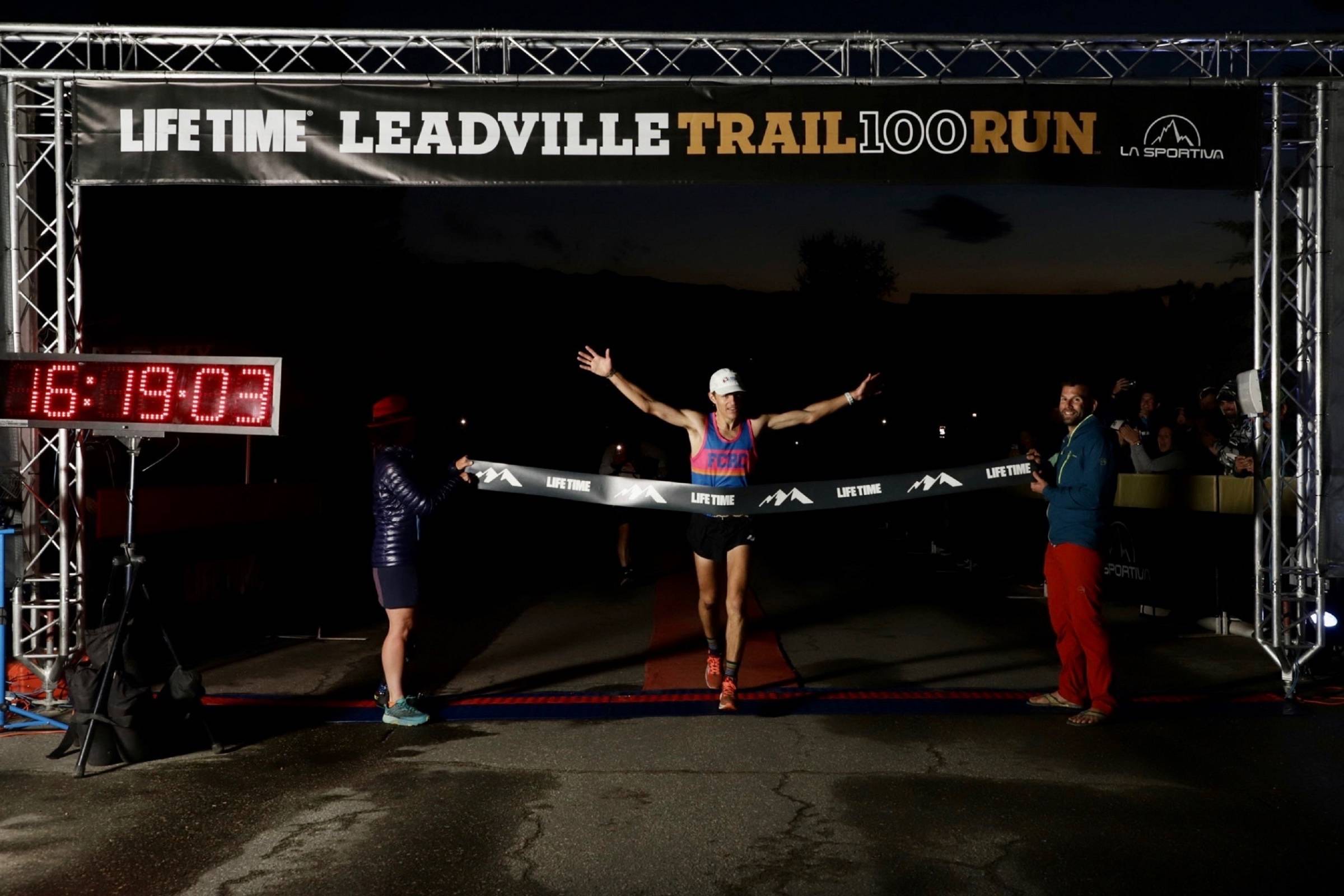
    He decided to run the Leadville 100 as his first race at that distance. In training, he adopted the mindset that he only had to run all day. Thinking about it as 100 miles was intimidating. But he said, “I can run all day.”

    He didn’t realize he was in the lead until he was past the turn-around point and headed back. He didn’t panic. He knew there were experienced ultra runners chasing him, but he felt strong and trusted his training to get him to the finish line. 

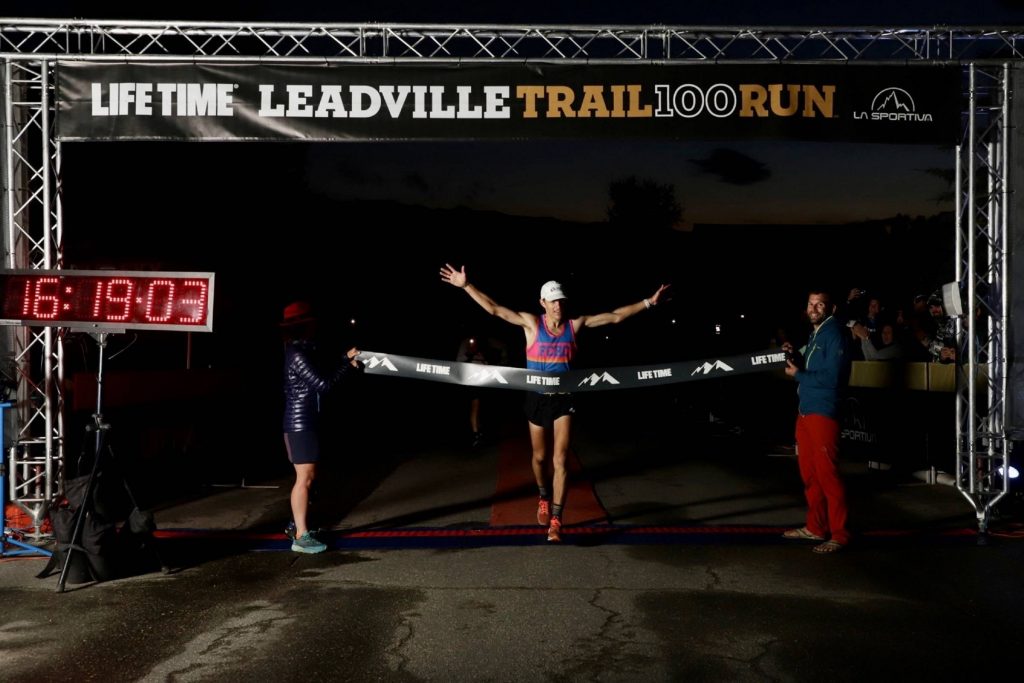
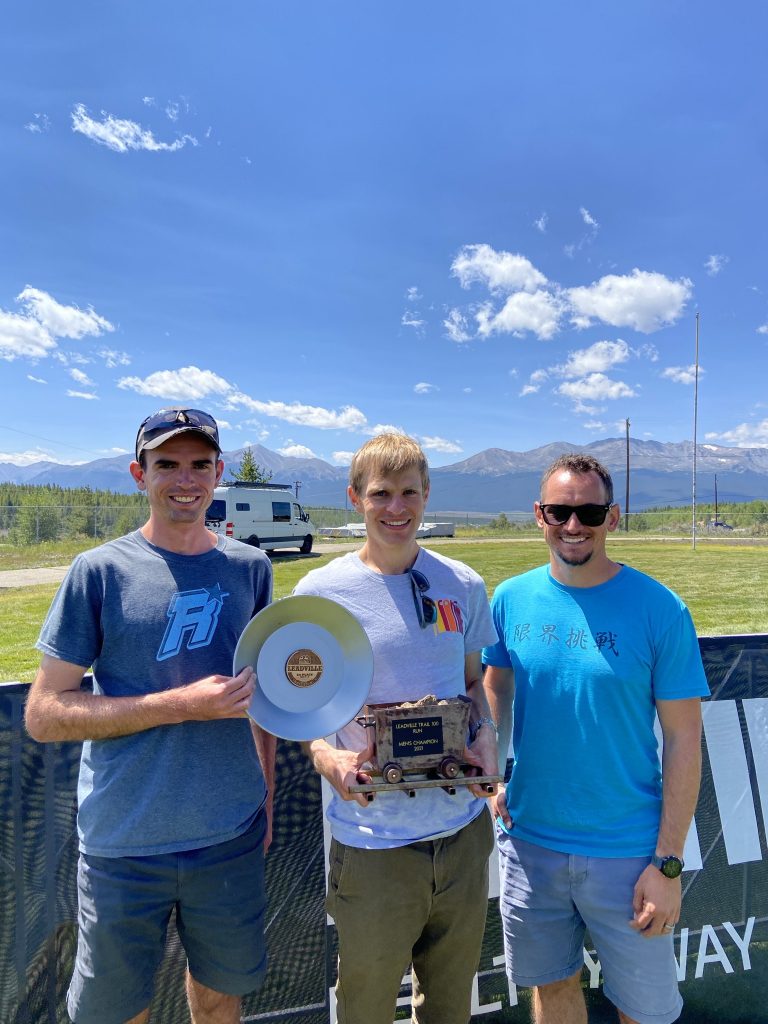
    He placed first with a time of 16:18:00.

    Looking ahead, Adrian says he wants to see how he can do in other races. He doesn’t have the next one picked out yet, but he will be out there again testing himself against the competition.


    Connect with Adrian Macdonald:

    Instagram@macdonaldadrian

    Linktr : https://linktr.ee/macdonaldadrian

  • Mindset for Adventure: The Bargo Brothers

    Mindset for Adventure: The Bargo Brothers

    Finding the High Point in Every State

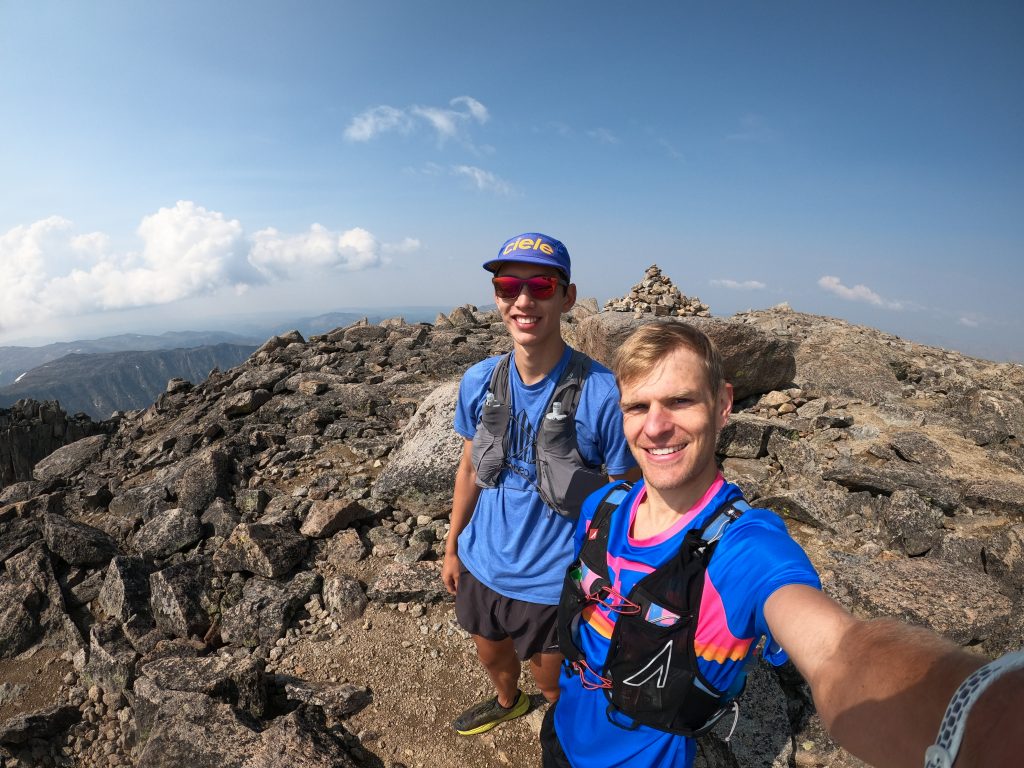
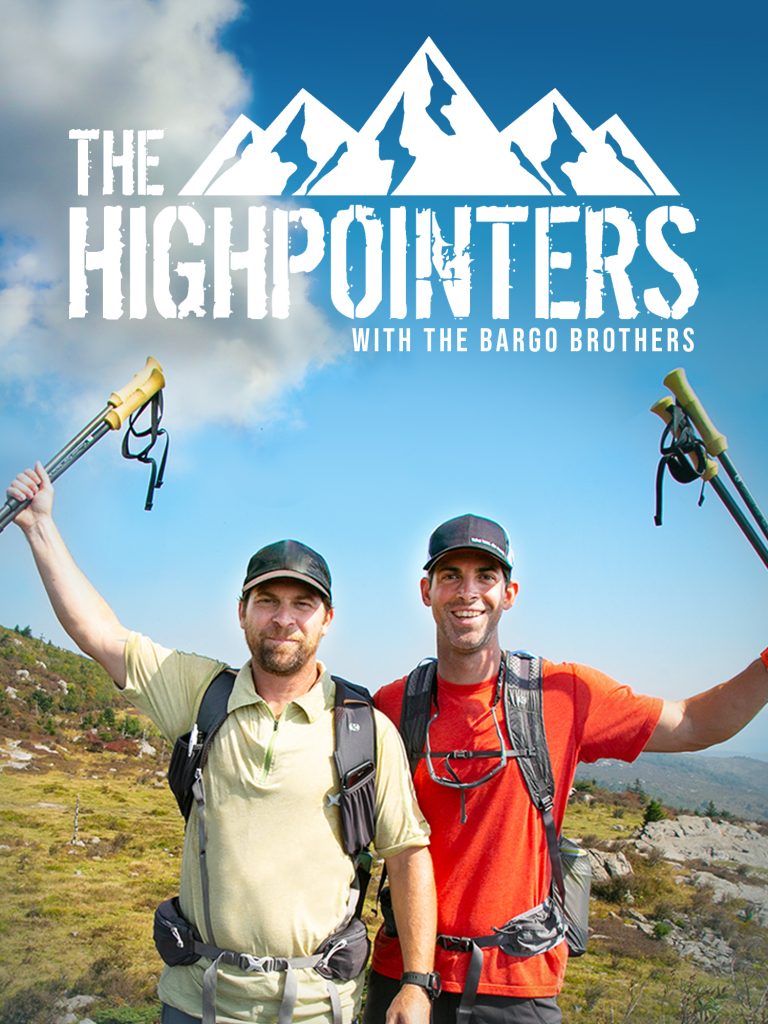
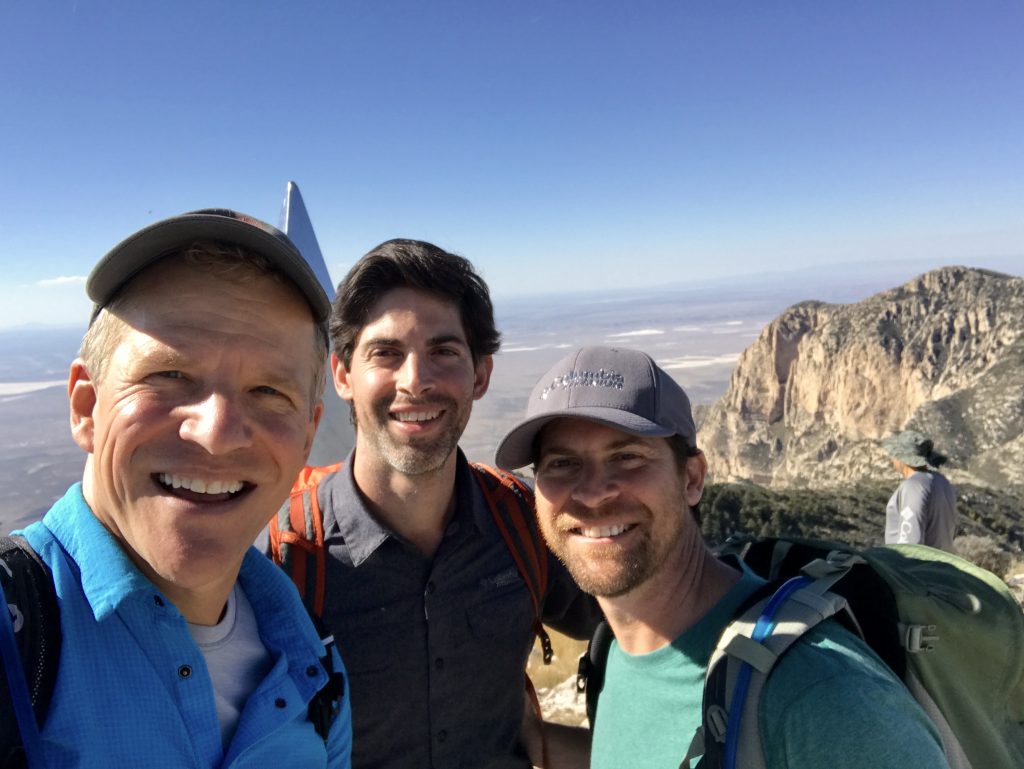
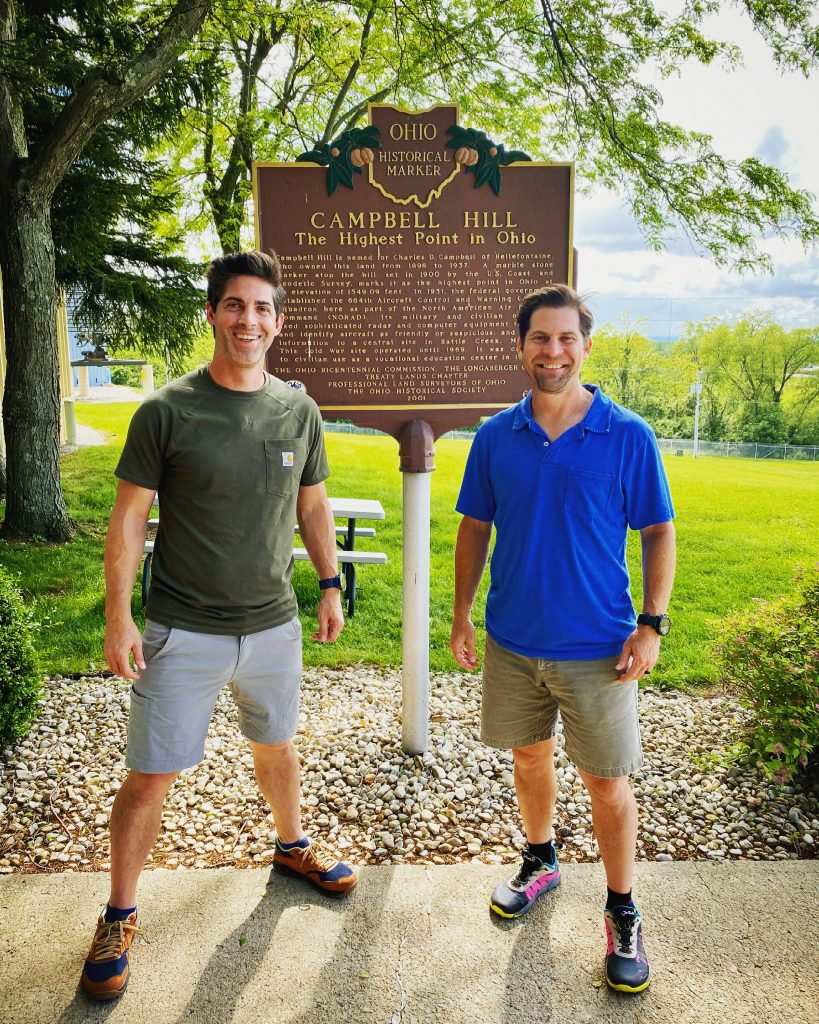
    Greg and Brandon Bargo, AKA the Bargo Brothers, are adventurers and athletes who host the TV show ”The Highpointers With the Bargo Brothers.” The brothers explore the United States and climb the highest point in each state. They also take along a local guide who gives history and background about each state and it’s the highpoint.

    They began their adventures when Brandon graduated from college and Greg graduated from high school. Brandon had the idea of trying to make it to the Winter Olympics in the sport of Skeleton: the sport of riding on your belly on a small sled down a steep icy chute. In the off-season they went mountain climbing, hiking, and cycling.

    Brandon graduated from college with a degree in journalism and always had the idea of having a travel show but didn’t know how to create his own show.

    The seeds for the TV show began when they got the idea of climbing Mount Denali in Alaska and then biking down the coast to lower California to swim with Great White sharks. They wanted to do something that no one had ever done before and be able to capture the adventure on video. Their training for the Denali trip led to them running their first marathon. 

    It took them 20 days total to climb Mt. Denali, 16 days up and 4 days down. They were caught in a white-out of blowing snow near the peak. They had to dig a snow cave and sit and wait. They had to keep each other company and keep each other warm until the storm passed. They stayed awake because of the danger of hypothermia. 

    They are passionate about their own adventures, and through their TV show, they want to inspire others to get out and find adventure as well.


    Connect with the Bargo Brothers:

    The highpointers Instagram: @thehighpointers

    Branndon Instagram: Branndon Bargo (@branndonbargo)

    Greg instagram : Greg Bargo (@gcbargo)

    Website : https://thehighpointers.com/

    Facebook: @thehighpointers

    The Hightpointers with the Bargo Brothers: on Amazon and PBS

  • The Mindset to Play Offense, Not Defense.

    The Mindset to Play Offense, Not Defense.

    The value of a growth mindset

    For this week my guest is Joe Chura who is a podcaster, runner and entrepreneur. 

    Joe started out as an auto factory worker. But he had a mindset to grow, and he decided that he wanted more from his life. His journey to be an ultramarathon runner began before he even put on his running shoes.

    He found out he was going to be a father at the age of 19 and that’s when he had to stop doing things that 19 year olds normally do. He knew he had to step up and be responsible for himself and the child that was coming into his life.

    What he needed at that time was to get health insurance and he realized that his only chance at that time to get one was to work at the Ford plant on the assembly line. But he soon realized that he didn’t want to spend the rest of his life there counting the years he had left to retire.

    Taking steps to change his life

    He decided to do what he needed to become a manager. For that he needed a college degree. He started college and read his books in the few seconds he had between building cars on the assembly line. It took 5 years to get his degree and become a manager.

    Joe then made a difficult decision to leave his 10 year career at Ford to continue his career elsewhere as an entrepreneur. His wife’s friends were business owners, and he saw the life they had and decided to take the challenge to start his own business.

    Taking on challenges

    Starting a business takes energy and focus, and he built two successful businesses, but his health suffered. But he heard an Army Ranger speak and that inspired him to train for and run the Chicago Marathon. 

    Running made him realize that he could do more than he imagined, and he began to take that mindset into all areas of his life.

    He stopped playing defense every day and started to play offense. He stopped prioritizing the things he had to do for others and started putting first things first. Taking care of his own needs first not only helped his health but helped him in all other aspects of his life. He says that a leader needs to take care of themselves first in order to have enough energy to serve others.

    Joe says success is measured by doing successful things day by day so that success accumulates over time.


    Connect with Joe:

    Instagram: @jchura

    Twitter: @joechura

    Website: https://www.notalmostthere.com/

    LinkedIn: https://www.linkedin.com/in/joechura/

  • Fat Adapted . . . Low Carb – Dave Basile

    You may have heard about the low carbohydrate diets like the Keto Diet.

    My friend, Dave Basile, discovered the benefits of eating low carb years ago and has adopted it as a lifestyle.

    But everyone of us is different, and Dave has tried variations within his low-carb diet to see how different foods and ways of eating affected his strength and running performance.

    There are a lot of us runners who can no longer outrun our poor food choices. Ice cream and donuts begin to accumulate around our waist instead of burning away as we run.

    For us, long-term health and performance require more than exercise. We have to eat better.

    Our discussion is about what works for us. It’s more about guidelines than a strict code.

    If you want to connect to Dave, his Instagram is @antigravitygains.

  • Ultra Mindset: Find Your Limits & Good Shoes

    Ultra Mindset: Find Your Limits & Good Shoes

    Four-day track runner

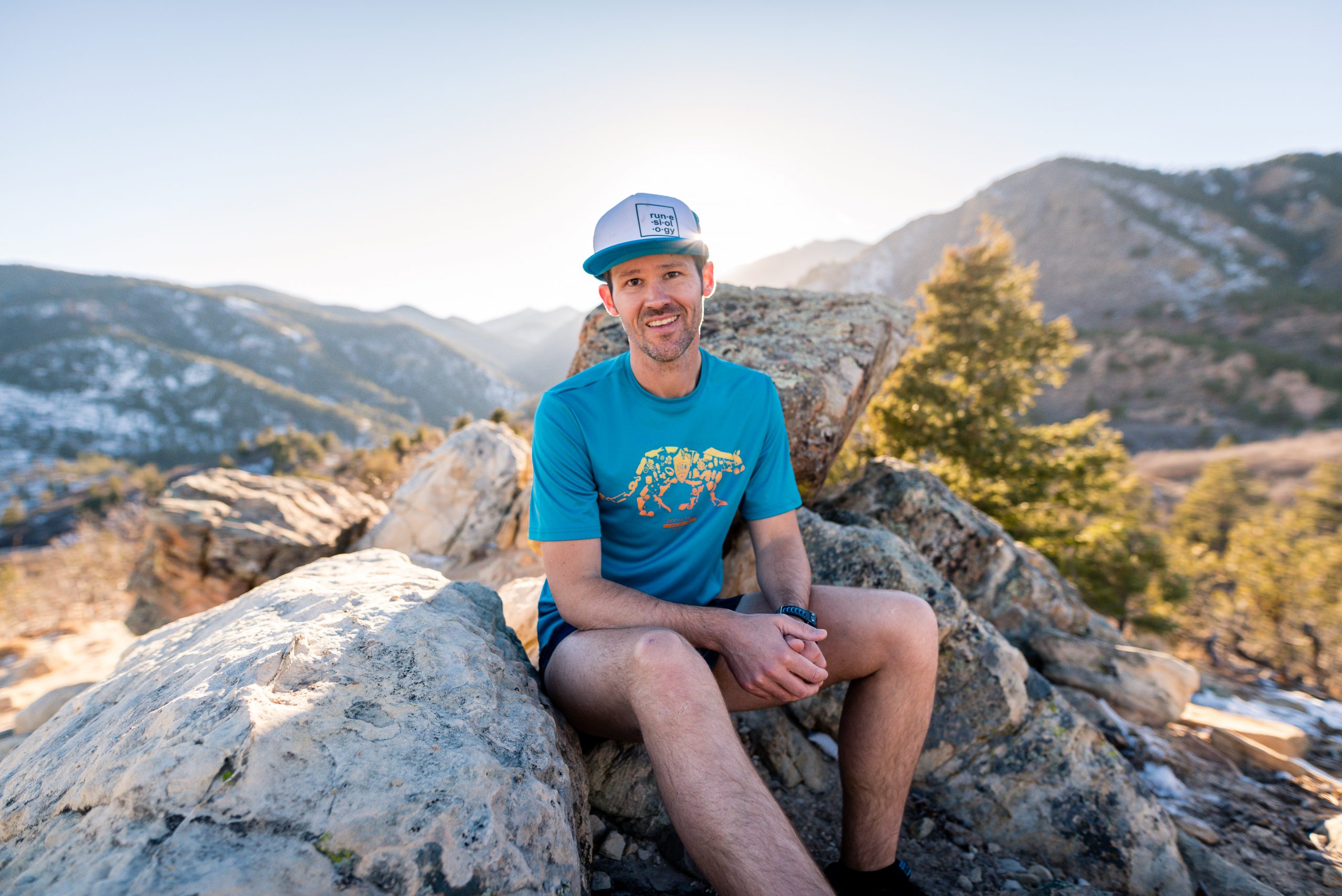
    Nat Collins is this week’s guest, Nat is a physical therapist, runner, running coach, 2.49 marathoner, and certified orthopedic specialist. The mindset to run ultramarathons is about more than pushing the limits. It’s making wise decisions in training, recovery, and gear. 

    Nat ran track in 7th grade and quit after four day because he hated running. But, when he was in high school, a couple of his classmates convinced him to start running as a way to stay in shape.

    He hated it for the first few weeks, but after his first 5 mile run he realized that he was naturally good at running. He used running as a way to clear his mind.

    Running was also something that helped him when he discovered he had type 2 narcolepsy.

    When the shoe fits

    Nat is a running shoe aficionado. He says the foot is the thing he likes most to treat in his orthopedic practice. As a barefoot runner, I wanted to hear his opinion about minimal footwear while running. I was pleasantly surprised to learn that he sees a place for some people to run barefoot and minimalist. 

    He stresses that people who are starting to run should pay attention to their running form in the beginning in order to avoid visits to the physiotherapist.

    Start local, then global is a phrase Nat uses to show how to avoid injuries. Get each part of your body strong and then get all the parts working together.

    He coaches runners to play the long game instead of the “go hard, get injured, stop and recover” game.

    The ultramarathon mindset

    He’s seen in his life and in the athletes he coaches that our mind is capable of making us do things we never thought possible. Nat ran a marathon while dealing with the pain of a kidney stone. Our mind is like a governor that keeps the body within “safe” limits. Usually we can push that margin of safety more than we think. But the skill is to know where the breaking point is.

    Nat has plans for running the Pike’s Peak 50K. He also has a goal to run a sub 2:40 marathon and perhaps a 200 mile race in the future. 


    Connect with Nat:

    Instagram: @natcollinsdpt

    Twitter: https://twitter.com/runesiology 

    Email: natcollinspt@gmail.com

  • UltraRunning Mindset: Learning to Be Brave

    UltraRunning Mindset: Learning to Be Brave

    Set a goal and go after.

    Randy was an athlete in high school and college, but not specifically a runner.  For a period of time he fell out of doing much physical activity, though he enjoyed hiking and rock climbing with his wife.  When he was 34, he was brainstorming with his wife about a goal to work toward and she immediately said “You’ve always said you’ve wanted to run a marathon and you’ve never done one.”  That wasn’t what he was expecting…or wanting to hear…but he signed up for one that was just three months away!  He was running with the pacer when some others started dropping out, so the pacer gave him the pacing stick and dropped back to provide encouragement.  He knows that is what kept him in the race and to this day still thinks that was the most painful experience.  

    Building a Community

    Throughout that experience he built a community and enjoyed the connections he made.  He’s not a natural marathon runner but is competitive with himself and enjoyed pushing himself to new limits.  His kids were young at the time, so while he enjoyed trail running, he didn’t have the time to give that it required so instead he focused on improving his road marathon speeds.  He wanted to retire from marathon running with a PR at the Boston 2020 but when it was cancelled, he moved on to the Javalina 100…is a 200 in his future?


    Connect with Randy:

    Facebook: Randy Taylor

    IG: @rwt_ultra

    Website: Coaching for the Brave

    Kansas City: 816 Running Club