Category: Podcast

Great conversations with runners and others who have an ultramarathon mindset.

  • A Myth-Guided Mind – Mike Hynes

    A Myth-Guided Mind – Mike Hynes

     Mindset for mind and body as partners in performance.

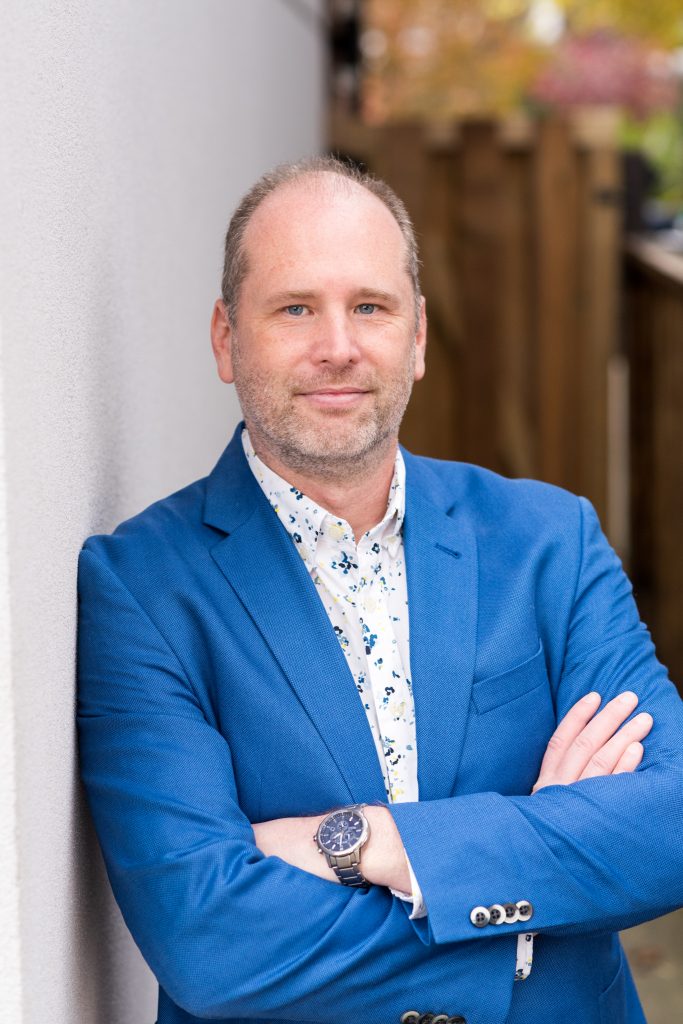
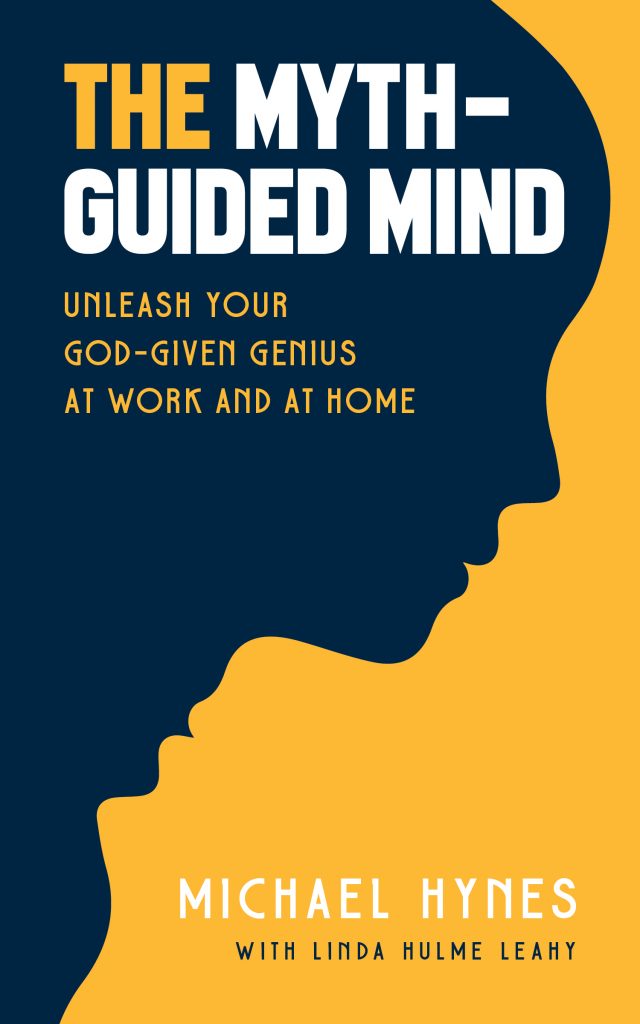
    Mike is an executive coach, a speaker and an author of the book: The Myth-Guided Mind: Unleash Your God-Given Genius at Work and at Home . His book is both practical and personal. He worked as a psychotherapist and saw that there were flaws in the system. He came to believe that there was a problem about the way “the system” thinks about mental illness and mental health. Now he works as a coach to help people look forward to create the life they want to live and unleash their inner genius.

    He says that the real point is to become conscious at some point in life and rewrite our own story or become architects of our own future. We get to do that based on what is around us, so those stories are on the outside and then they make their way into our inner self.

    Embrace the power of fear

    One of the things he loves to talk to people about is how their fears are serving them. Fear is powerful resistance. But when you push past that resistance, it’s like lifting heavy weights. It makes you stronger. When you cultivate curiosity you begin to see exceptions to the “rules” your mind holds on to. Part of what your brain tries to tell you is, ”I’m keeping you safe. I’m keeping you from dying, as long as you keep doing the same thing over and over again.” But there is something inside of us that wants to push beyond this safety zone and be more and do more.

    Mike says that when we really take charge of these things, not only do we change our mindset, but we change our whole body and that it is as if our real energy, the energy that we exude, also changes.

    When Mike started this journey, his body was riddled with injuries. He had spent most of his twenties sitting, working as a psychotherapist, and he ended up with back problems. And he tried to get back in shape through strength training, but he ended up injured. He said that was a huge mindset opportunity .

    Mindset to heal your body

    The connection between mind and body can help your body heal, but you have to look into whether you are using your body the right way. For runners, get a gait analysis or a running form analysis. You have to ask yourself if the mechanics are working right.

    But the mind is powerful in its ability to heal the body. We hear about the “placebo effect” when drug studies are done. People who receive sugar pills often will recover just as well as those who got the “real” drugs. This effect has been known in medicine for years. People take “fake” pills and still get real results. 

    But it’s wrong to think that a placebo isn’t “real” in the results. Mike says why would you discount something that, 20% of the time, is going to cure you? And a lot of what he talks about in his book is this point: if you have the right mindset, you can activate the placebo effect.You can act consciously, it’s not something that you have to be tricked into believing.


    LinkedIn linkedin.com/in/mike-hynes-196b353

    Instagram @hynesm

    Facebook https://www.facebook.com/mhynes

    Websites under construction

    mythguidedmind.com

    michaelhynes.ca

    Book:

    The Myth-Guided Mind: Unleash Your God-Given Genius at Work and at Home

  • Mindset of Contentment VS Complacency

    Speaking notes:

    Sheryl Crow: It’s not having what you want, it’s wanting what you have. From the song, “Soak Up the Sun.”

    Buddha: Desire & attachment is the root of all misery.

    Men’s group – words for the year . . . One man chose “contentment.”

    This sounds good. Stop stressing.

    Church people: Let go and let God.

    A little perspective

    Just stop right there! I know this sounds good, but you need to put “contentment” into perspective.

    There is a fine line between contentment and complacency.

    I know this because I spent too much of my life on the wrong side of that line!

    I was a go-with-the-flow, que sera sera, Hakuna Matada kind of guy.

    I didn’t set goals. I didn’t make any long-term plans.

    I was complacent.

    What I found is that complacency does not give you contentment!

    I changed my mindset

    I’m not that guy any more!

    What I had to learn was live in a paradox.

    Sheryl Crow: It’s not having what you want, it’s wanting what you have.

    This is an either/or choice.

    Either I’m a greedy pig, always wanting more and more.

    Or I’m a zen master: happy with whatever comes my way.

    I live in a paradox.

    I’m content with my life. I enjoy my life. I love life.

    AND I want more. I want to grow. I want an EPIC life.

    Let me give you a practical example:

    In 2017, I set a goal to weigh under 200 pounds by the end of the year.

    Every morning I would look at my body in the mirror and do two things:

    1. See myself as I was and accept my body shape without judging.

    2. See myself as I wanted to be – 30 pounds lighter.

    You see, it’s not an either/or choice between contentment and desire.

    It’s both.

    It sounds like a paradox.

    But it’s powerful when you get the right balance.

    Key takeaway:

    Practice contentment

    Go after what you want.

  • Mindset for Life, Health, and Happiness – Paul Levitin

    Mindset for Life, Health, and Happiness – Paul Levitin

    Taking the long view to a healthy life

    Paul Levitin is a health, happiness, and mindset coach. He has a podcast called the Healthy, Happy Human where he gives information and encouragement for developing a mindset for fitness, health, and happiness.

    Paul is passionate about fitness and health. He was a personal trainer and nutrition coach, strength and conditioning coach, and instructed clients in corrective exercise. Then he realized this wasn’t enough for most people. He saw that the thing his clients needed most was to change their mindset. People come to Paul for the physical factor, wanting to lose 20 or 30 pounds, but there is also the happiness factor and the longevity factor. It’s not just training to look good in the summer. He helps them get their life in order so that 20 years from now they will still be healthy and happy.

    Paul says that the first part of encouraging people to achieve what they want is to understand who that person is, because we are all motivated by something different.  A single mom with three kids has to approach health and happiness much differently from a single guy with no kids. 

    He uses this analogy, ”You can’t sprint in a marathon.” Most of us always want everything fast. We make New Year’s resolutions and by the end of January they have faded away.

    Practicing what you preach

    His work with clients came from his personal interest in fitness and health. He studied fitness and nutrition and read blogs and listened to podcasts. He says, “When you train hundreds of clients over the course of a decade, you start to see what works and what doesn’t.” 

    Psychology and human behavior was his next focus of study. He studied to apply what he learned about motivation and behavior to his own life as well as helping his clients develop the tools to succeed.

    For Paul health and happiness are two sides of the same coin. He believes that happiness is about being in control of your own life, being able to do what you want to do. Health is part of this because you don’t want to be limited because your body is out of shape. For him, the greatest expression of life is being able to use your body to do something other than just sit and have a drink, watch Netflix or scroll through your phone. Use your body to do things so that health and happiness go hand in hand.

    Honest conversations are an important first step. He talks about the realities of his client’s situation, because nothing comes without cost. You can’t say I want the result if you’re not willing to put in the work. You can’t say I want to lose 30 pounds if you’re not willing to do what it takes to lose 30 pounds. Most people tend to make excuses and it’s always some variation of It’s not my fault!  But when you say I didn’t do it because I chose to watch TV instead of going to the gym, eventually you have a moment where you have to be honest with yourself. You can’t blame anybody but yourself. 

    The power of self-talk

    Paul coaches his clients on the power of stories and self-talk. The way you talk to yourself and the stories you tell can stop you from doing the work. These are the things that make you eat Oreos late at night. These are the things that make you quit your business plan. These are the things that make you quit your podcast after 6 months. Of course, when you know how to use stories and self-talk, you get success rather than failure.

    You can’t rely on motivation. Motivation is just a feeling, and you don’t control it any more than you control happiness, sadness or anger. Rather than count on motivation, make a plan and commit to it. Arrange life so your goals are based on structure, planning, time management, and setting small goals, because there is no hidden pill or switch for discipline or motivation.

    Planning and structure is what Paul practices for his own health and happiness. He writes down his top priorities for each day, whether he is going to exercise, whether he should go to the grocery store, and he takes it upon himself to accomplish the list of his priorities every day. 

    Doing the work is the key to success. It’s a paradox. We don’t want to work hard and yet everything we want just comes on the other side of hard work. And the harder we work, the more we value our success. What comes easy doesn’t have the same emotional value as something we have to work hard for.

    Mindset comes first

    Health and happiness begin with mindset. This is why Paul is quick to say he is also a mindset coach. Everything that is created, first existed in the mind. The Wright brothers had the vision in their minds before they built an airplane. They thought about it, they drew it, they created it, and it was impossible at the time. Steve Jobs thought of the iPhone, it existed first as an idea in his mind. 

    So it is with health and happiness. It starts as a shift in the mindset, a change in the stories and self-talk you use each day. 

    He has a new program starting January 2022 called The 3 B Solution: Brain, Body, Being. It’s a 12-week program diving deeper into the topics discussed in this episode. Connect with Paul to find out more.


    Connect with Paul:

    Facebook: @paullivitin

    Instagram: @paullevitin

    Podcast: The Healthy, Happy Human

  • Around the World Run – Dustin Johnson and Brian Hoover

    Around the World Run – Dustin Johnson and Brian Hoover

    The first American to complete the challenge!

    My guests this week are Dustin Johnson and Brian Hoover. This is Brian’s third appearance on the show. He was here in Episode 12 and Episode 28.

    Brian is an ultra runner, but hasn’t been running much for the last 6 or 7 years. He was running and then he got into hiking and in 2019 he hiked the Pacific Crest Trail from the Mexican border to the Canadian border through California. He is a nomad. That is, he lives in a van. Three years ago he sold most of his possessions and now has only a small van to travel around the country.

    Dustin

    Brian will be acting as support for Dustin in this, his second attempt to run the circumference of the earth.

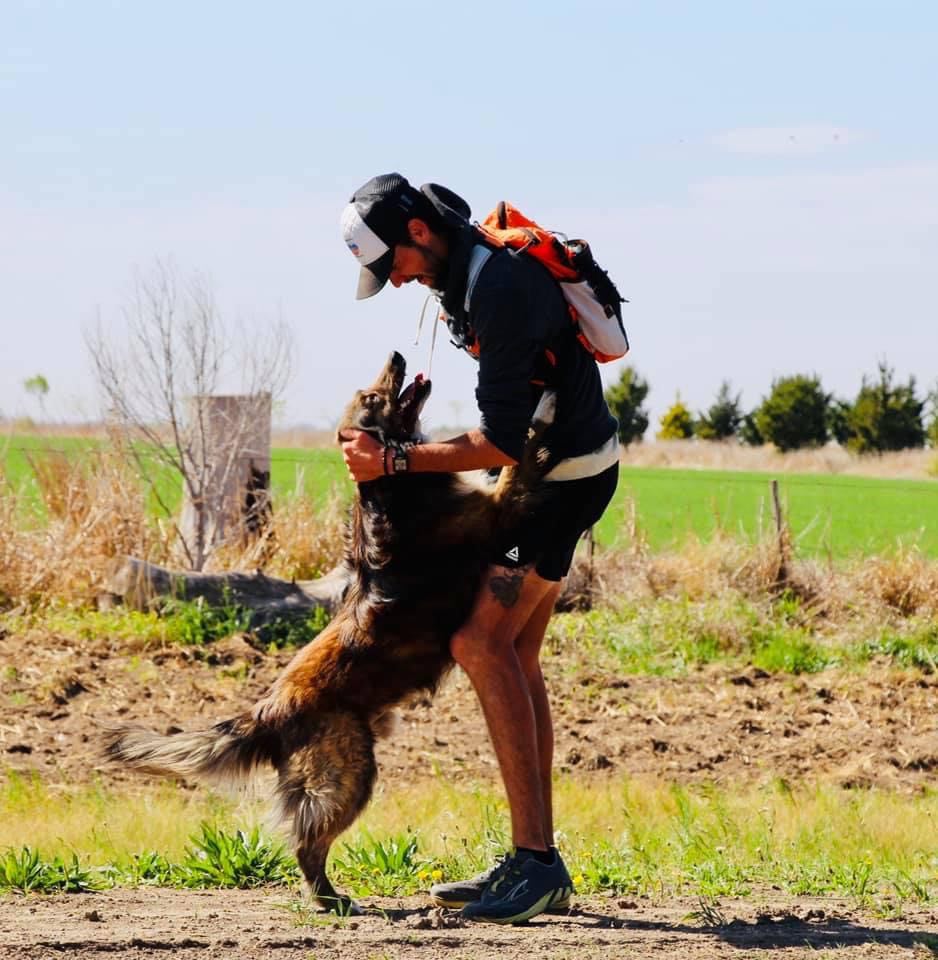
    Dustin has been running competitively all his life. He ran in the American State Games and Junior Olympics, and then when he got to high school he became more competitive on the field. He began college and then he joined the Navy. While he was there and traveling around the world in the Navy he started running in all kinds of interesting places, wherever he was. 

    Dustin

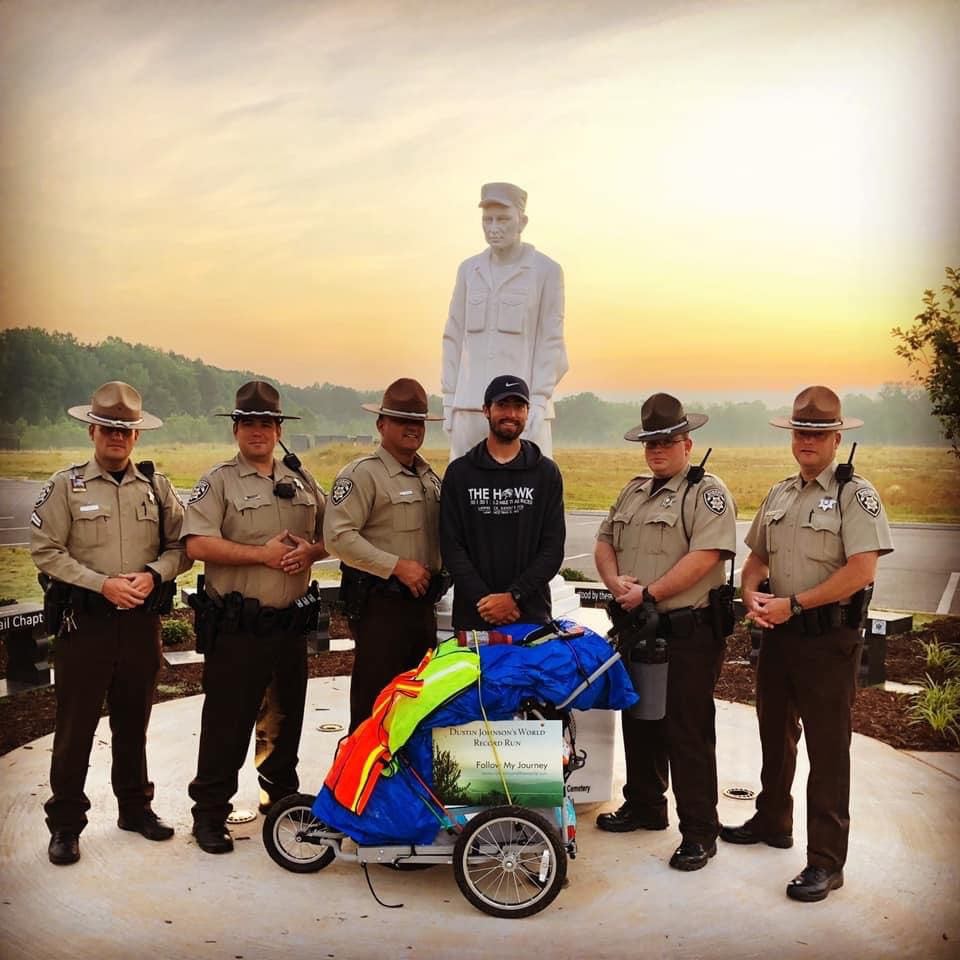
    He was suffering from depression and PTSD after he got out of the Navy, and he stopped running. His wife suggested that he write down all the things he really wanted to do again on his dream list, and at the top of it was running around the world. He had been following the World Running Association for years and an American had never run around the world. And it was in 2019 when he finally decided that he was going to make it to the Guinness Book of World Records, he started planning everything out.

    He left on May 1, 2019 and ran from Missouri to Myrtle Beach South Carolina and then flew to Lima Peru. From there he ran from the south in Chile through the Atacama Desert over the Andes Mountains at about 20,000 feet altitude. From there we ran south to Buenos Aires. From there he flew to Europe. 

    When he got to Istanbul there were problems with Australia being on fire,

    In early 2020, the association let him have two weeks off because of what was going on in Australia, but then Australia began to shut down because of Covid.

     He went back to LA and ran all the way back to Missouri so he ended up with about 10000 miles. He did 35 miles a day on the road, pushing a jogging stroller with all his supplies, but unfortunately he couldn’t get credit for an around the world run because he didn’t do Australia.

    Brian

    For this run, it all comes down to GPS tracking. When you are done with the run you have to send in all your devices to the World Runners Association, and they check them to make sure they have not been tampered with.

    Dustin and Brian are planning on doing the fastest circumnavigation, doing about 45 miles a day. They haven’t announced it yet, but they are going after a few other Guinness Book of World Records as well, like the most consecutive days running a marathon, and the most consecutive days running an ultramarathon. 

    For Dustin it is a route he knows very well and he has been to many of these places in the military but for Brian it will be a new world.

    The first time around, Dustin took with him everything he thought he needed. He packed all the basics for the tent, his sleeping bag and many other things he thought he might need. But he was limited on equipment because Peru only allowed a certain amount of luggage, a suitcase and a bicycle.

    Brian and Dustin speak a little Spanish which will be very useful for when they start their adventure again. Otherwise they plan to use an app to write down what they want to say and translate into the local language, although in some countries they will be able to communicate in English. Also this time they are more prepared about what they are going to bring for the trip and have local contacts where they will be able to send some things they need along the way.

    They are doing this as a way to raise money and awareness for military veteran suicides because Dustin is a survivor of a suicide attempt. 50 percent will go to Stop Soldier Suicide, which is a veteran suicide awareness organization at a phenomenal organization in North Carolina. The other 50 percent will go to an organization that he can’t say exactly yet because he is still getting approval from the house, but what they do is they help homeless veterans in getting their own tiny homes. 

    For training, Dustin just got into the training phase where he is going to get back in the weight room and do light weights and resistance training. He plans to do more light weights and then get back to running. He wants to do 25 to 30 miles a day during January and February, and he would like to get up to 30 to 35 miles a day. In March he will back down to about 10 miles a day, and then in April they will be setting off on the first leg of their trek.

    Brian and Dustin have not met in person yet. They have talked on the phone, texted and been on Facebook, but this podcast was like meeting For the first time.

    Brian

    For Dustin the motivation he wants is to keep his discipline and do the work. Brian says that he looks at the trek as a routine, it’s like going to work every day. you know, you get up some days looking forward to going to work. Other days not so much. 

    It will be a big challenge for both of them when they face the weather in the Andes Mountains as it will be -10 -15 degrees during the day -20 -25 at night. They plan to arrive in each country with the most favorable season of the year for them. It took them 6 months to plan the safest route with the right passes in the right areas.

    The goal is to set records in the World Runners Association as the first American, the youngest in the world, and then the fastest in the world. And then with the Guinness Book of World Records there are some others like the most consecutive days for the marathon and the ultra marathon, but they’re not so focused on the Guinness Book.

    There have been a lot of people who have tried to do this run, but things always come up, accidents or tragedies. In fact, there were 4 or 5 other people who have failed since Dustin’s last attempt. Dustin, himself, got run over last time, when he was in Germany and had to take a couple of days off. And he knows that there are unforeseen problems that could send them home permanently. But they are sure that they’ll both work together and will be able to help each other.


    Links

    Facebook: Dustin Johnson

    Brian Hoover

    Dustin Johnson’s World Record Run

  • Two Seconds Before DNF – Natalie Bickers

    Two Seconds Before DNF – Natalie Bickers

    Showing Up With a Go-Big Mindset

    Natalie started running when she was in elementary school but it hurt so she stopped. She tried again in her early 20’s. because she knew it was something she wanted to do. It took her some time to realize she had to start slowly and build up her strength and endurance gradually. This is a mindset that she had to develop because she tends to jump in with a “Go big, or go home” approach to whatever she decides to do.

    After she had worked her way up to running half marathons she began a quest to do half marathons in all 50 states and then go back around and do marathons in all the states. 

    She was making the switch to having multi day half marathons and then started thinking about ultramrathons. She saw the video “Western Time” on YouTube and decided to make the leap to ultras. She showed her all-or-nothing approach by deciding it would be a good idea to run three 50K races within a month.

    She decided to take on the challenge of running 100 mile races. She had several unsuccessful attempts, but then had success at the Zion 100.

    Natalie said that several of her DNFs came from mental exhaustion more than physical trouble. Looking back, she said that several of these races she could have continued, but her mindset wasn’t in it any more.

    Going even bigger: The Triple Crown of 200s

    In 2021, she made the leap to run even longer races. She planned on attempting the Triple Crown of 200s: Bigfood, Tahoe, and Moab. She got into all three. But she dropped at Bigfoot and Tahoe was canceled because of fires. Moab was her chance to make her mark at this distance.

    Natalie enjoyed the rugged beauty of the desert at the Moab 240. Although running there for her was complicated because of the rugged terrain and hot climate. She says the actual physical part, the sleep deprivation, knowing how to rest and refueling was very hard. She didn’t have a very structured sleep plan so she figured that for the first 100 miles she wasn’t going to sleep. After that she planned to take a couple of longer breaks and a lot of short breaks. 

    She was surprised that during the race she was not able to sleep when she tried. She could only sleep for a few minutes, and never a deep sleep. The only time she really fell asleep was at the end at the last aid station which was 18 miles from the finish line. 

    Deja Vu Halucinations

    She can’t remember much about the last few days, but she knows she was having a lot of walking breaks which she kept as short as possible. She would run for 3 or 4 minutes and then walk for a minute. She had originally thought she would try to run 5K at a time before she walked. 

    During the first night she started having hallucinations. Her brain was making up logical excuses for what she was seeing and experiencing. Her mind convinced her she had been on all those trails before, and she could actually imagine what was coming next on the trails. She said it was very strange because during the run she felt like she had already been there in the past, and it took her 2 weeks to convince herself that she hadn’t, that she had never been there before. She also spent about 30 minutes thinking she was back home in Alaska, and looked at the map and it didn’t match what she saw.

    Natalie got to the finish line and had only two seconds to spare before cutoff. In the last ¼ mile, she could hear the people at the finish yelling for her to run. But she thought her watch showed her she still had time. Several people ran out to her and helped spur her on. When she crossed the finish line, she wasn’t sure if she’d made it in time. But she was official: with 2 seconds to spare.

    Natalie is looking forward to being there when the lottery opens next year. She’s going after the Triple Crown again.


    Contact Natalie

    Instagram: Instagram Natalie

  • Mindset to Run Smart and Strong – Sabrina Stanley

    Mindset to Run Smart and Strong – Sabrina Stanley

    Running the 100 Mile Leadville Ultramarathon

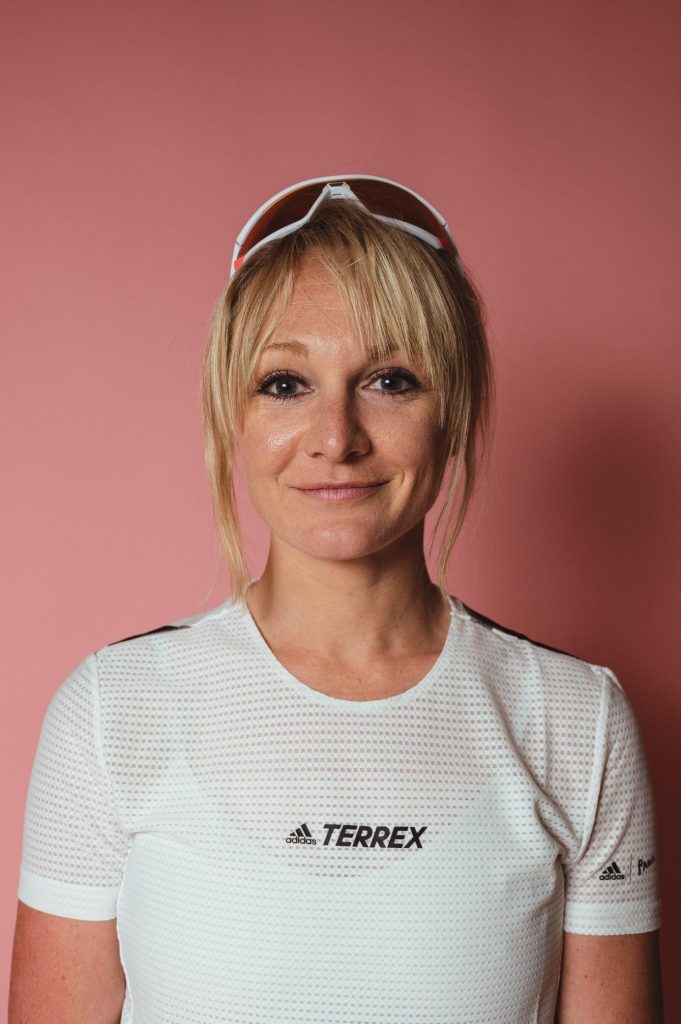
    Sabrina Stanley has held the title of first place female finisher of the Hardrock 100 for 4 years. She won in 2018 and 2021, and the race was cancelled in 2019 & 2020. 

    She ran while in school to stay in shape for team sports. Then a friend convinced her to do a half marathon and that led to her running road marathons.

    A friend suggested she read Lore of Running, and when she read it she learned about trail running. The author talked a lot about the Leadville 100. She was 22 when she read this book, and said that by the time she was 40 she was going to run the Leadville 100. She put her name in the lottery for Leadville and thought it was going to take years to get into the race. But her name was drawn that first year.

    Photo credit: @rabbitwolfcreative

    From road marathons to 100 miles on trails

    She didn’t think she should go from running road marathons straight to a 100 mile trail race. A friend told her she should do a 50 mile race as training. At least she would know what it’s like to run half that distance. So she ran the Antelope Canyon 50 in Arizona.

    Sabrina didn’t know anything about trail running when she moved to Colorado. She loved road running, but the Colorado roads felt unsafe to run or were monotonous. He had heard of people running on trails, but didn’t know the vast community around trail running. She didn’t know it was a huge sport. But the more she delved into it the more she was amazed. It was a whole different universe that matched her passions that she didn’t know existed. Once she realized this universe existed she just wanted to be involved in it.

    When she started she thought she was going to have a spectacular performance and that people would wonder who was this rookie who came out of nowhere.

    She based this belief by looking at the splits from past Leadville winners and comparing them to her typical pace in road marathons. But she missed the cutoff at mile 87. 

    It was a rude awakening because she had such big aspirations, she had visions of what the race would be like and her friends and family flew in from Washington State and she felt like she had lost time and she had made them all lose time too and that was heartbreaking for her.

    Working her way to be a professional ultramarathon runner

    She was living in Breckenridge at the time, and she thought the elevation wasn’t going to affect her. But Leadville is higher, and she struggled. She also learned that trail running it’s not just about the speed but the strategy of the pace and managing your energy. It’s working within yourself, not just running a race.

    When Sabrina was a little girl she wanted to be a veterinarian. She thought that was her path, that she would go to college and be a veterinarian. But her parents divorced her senior year of high school and her plan went out the window. 

    She went to community college because she wanted to avoid having student loans. She tried to join the military, but some previous health issues prevented her from that option.

    She decided to go to Alaska for the summer and worked at a fishing lodge and did that two summers in a row and then went to Minnesota for the winter. She had different seasonal jobs and then moved to Colorado and started working in the ski industry and then also in the food and beverage industry.

    She worked for Bubba Gump Shrimp Company, and took a promotion that required living in New York to work in their flagship store. She was there for 8 months and put her in the lottery for Leadville. She said that if she got in it was a sign to move back to Colorado, and that’s what happened.

    Planning and strategy to compete in ultramarathons 

    Sabrina came back to Colorado and started working at a running store in Breckenridge. She didn’t know anyone who had run 100 miles so she sought out a few different people who she knew who had done it. She met them for a beer and to talk about long distance running, and they ended up running together.

    In 2016 she came in fourth place female in the Leadville 100. It was a big improvement from the first year to get a DNF and fourth place the second year. It is one of her favorite memories of that race. She went in with the same confidence but with twice the volume of training. She knew how to eat better and learned from her mistakes the year before. 

    She told herself she would run the first 25 miles easy and run as comfortable as possible. Then for the 50 miles she would run at 80% effort for 30 minutes and then walk for 5 minutes and eat. And then the last 25 was to use everything left in the tank and go for it.

    Sabrina’s first step to being a professional ultramarathon runner was thinking “How can I get free shoes?” She ran the Sean O’brien 100 K, which at that time was a golden ticket race for Western States. She took second place there and so she made it into Western States and placed third.

    She reached out to numerous companies asking about sponsorships. Then, while pacing a friend at the Hardrock 100, she met the director of the Altra team and started running for Altra.

    When Altra was bought out by another company, she found her present sponsor, Adidas.

    She was signed up for UTMB this year, but she decided not to run. For her it was a strategic decision. As a competitor, she was considering what she thought her body was capable of after coming off a hard race 5 weeks earlier. She didn’t see herself performing at the level she expected so she pulled out of the race. 

    Photo credit: Sven Brunso

    Mindset training to plan for the unexpected

    Sabrina says that control over your mind and body is very important because otherwise you end up lying to yourself. You can have a few incredible miles, but then you will crash and burn. And it is preferable to pace yourself until you let go of the reins at the right time when you know it feels right.

    For this year she has planned a 115km race on November 20, and after that she is going to take a break, because Hard Rock was very hard, and her goal is to start the summer healthy and to arrive at UTMB as fresh as possible, both mentally and physically.

    For her next race, Sabrina is looking for a fresh race because if you have a heavy schedule in early to mid summer it will be more complicated, and she is focused on being number one. Sabrina knows exactly where to push it and where she can allow her body to rest a little. It doesn’t just come down to how fit you are but it’s all about who is more prepared in all aspects of the event.

    For many people who are real planners, the fact that so many things can go wrong in a race can be a real mental hurdle, but she is very strong mentally. And if things go wrong she takes it as a blessing and tells herself that it is happening for a reason. She will back off and rest and knows that if at some point she can’t give it her all, those lows will allow her to have that incredible high later in the race. 

    When Sabrina has negative thoughts in a race she brings in three positive thoughts for every negative one. She makes it a practice to monitor her self-talk and keep the negative thoughts at bay. Utrarunning comes down to undeniable faith in yourself and to keep yourself going through the hard times.

    As a competitive woman in a male-dominated sport, Sabrina has had to deal with negative comments and attitudes from men and women. The double-standard that exists and the body-image stereotypes are still issues women in ultramarathon running have to deal with. She hopes that her example as a competitor will inspire the next generation of women to excel and keep pushing forward.

    In a 5 to 10 year future plan Sabrina wants to win all the big races. Her dream race is the  Tor des Géants, a 200 mile race in Italy.

    If Sabrina had to give one piece of advice to a young woman it would be to do what you want. Try to live as many aspects of life as you want and then when you find your thing and you know what your thing is, put all your chips in that basket and do everything you can to succeed at it. And if you don’t know what it is, that’s totally fine. Whatever it takes to get it, like experience in two different jobs, meeting different people, moving to different places and then one day I think you’ll stumble upon something that just speaks to your soul. And when you find that thing then you have to go all in. And if you really go all in and sacrifice everything you can to succeed at it.


    Contact Sabrina:  

    Instagram: https://www.instagram.com/sabrinaleannstanley/

    website: https://sabrinastanley.com/ 

  • Mindset to Change Your Life and Breathe Right – Tara Bianca

    Mindset to Change Your Life and Breathe Right – Tara Bianca

    Mindset and Breathwork 

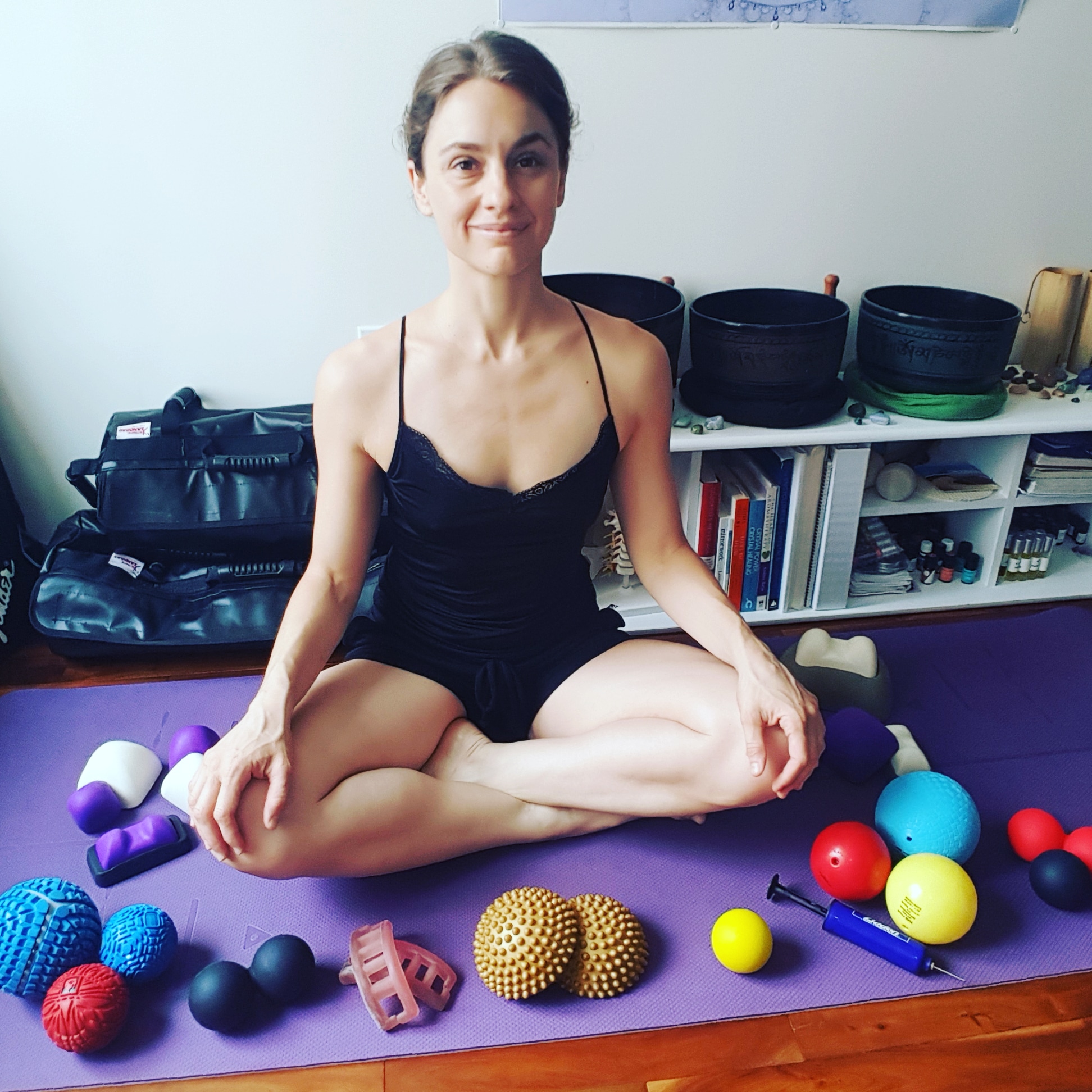
    Tara Bianca is my podcast guest this week. She is the owner of BE Light Transformative Therapy which is an online holistic wellness company specializing in therapeutic breathwork and mindset coaching. She is also a certified Oxygen Advantage breathwork instructor.

    She had a vision to create a global network of holistic wellness experts from many modalities of practice: from the scientific community to the deeply spiritual.

    At the start of 2020 she was working in her small office in Manhattan, NY, and was working with people one on one. The economic shutdown pushed her to step forward to make her dream a reality.

    BE Light Transformative Therapy was born, and her online teaching programs draw students from  India, South America, Australia, Hawaii and all over Europe. Getting out of her comfort zone gave her the incredible experience of connecting with people from all over the world. BE Light is still in the early stages, but it is something that will continue to grow and expand in the best way possible.

    Her story of transformation led her to comment about how, as children, we can have barriers that put a ceiling on us, and we feel like we’re stuck. We feel like we are good boys or girls if we stay inside our box and do what we are supposed to do. We stay on the same path just because it seems the safest. We feel that we’re responsible and that we’re doing the right thing, but inside we feel miserable. We feel like we have more to offer the world, but never take steps to change or go after that EPIC THING burning in our soul.

    Overcoming limiting beliefs

    She decided to leave New York and move to Florida. There she met her personal coach who she considers her angel. He was the first one who opened her mind and helped her to see beyond her self-limiting beliefs and all the self-sabotaging behaviors. She didn’t realize how much she was blocked by low self-esteem and struggling with fear of other people’s judgment and criticism.

    Now, when she looks back, she can’t even believe she had those feelings about herself. She can no longer relate to the person she was. She was able to change her mindset, and that junk no longer exists inside her. She noticed, in her own journey, that when you finally find the courage to take a big step and take massive action, everything starts to fall into place.

    As an example of how insecure she once was she shared about how she once worked as an anatomy and physiology educator. In her first year of teaching, the department chair simply asked her for a biopic (a picture that could be on the internet) and she was horrified. Tears started to well up in her eyes, and she refused to share that picture of her class for fear that someone on the internet might see it and judge it without her being able to control the outcome. Now she has hundreds of videos on her youtube channel, with scores of people saying nasty comments all the time. 

    Tara says that awareness is always the first step to any new habit you want to introduce into your life. You have to recognize what the current habit is and the current pattern if you expect to make any kind of change. Otherwise you are just flying blind, because you don’t have a reference point.

    Breathwork practice

    Even though she has been in holistic health for almost 20 years, she couldn’t find the right teachers to teach her about breathing. Breathwork was always on the periphery of her health practice, and she decided it was time to know more about it. Breathing is an element that has been in all the ancient philosophies and religious practices. But often there aren’t many specifics, snf sometimes the wording is a bit poetic and hard to understand.

    Tara wanted to find breath work that was based on human physiology and anatomy as well as medical and scientific evidence behind it. She wanted to be able to give a strong “why” behind the practice so her clients could trust the process. 

    Oxygen is our energy source for everything, and, as endurance athletes, runners go beyond what humans used to believe is possible. So how do you take in oxygen more efficiently? The first step is to notice if your mouth is open or closed. If you’re able to keep your mouth closed, your oxygen efficiency is better. What happens to most runners is they feel the need for more oxygen and they start breathing through their mouth because it allows for more air to come in. But getting more air doesn’t give more oxygen, especially when breathing through the mouth. 

    Breathing through your nose offers several benefits. I warms and filters the air. There is also a molecule called nitric oxide that your body produces in the nasal cavity. Nitric oxide has many benefits, but for ultramarathon runners, perhaps the most important is that it reduces inflammation. It also helps lower blood pressure. 

    It may feel hard at first, if you want to switch from mouth breathing to nose breathing. The key is to start slowly and adapt your breathing gradually. The first several months you may feel like your training is going backwards. You may run slower. The second key is to practice nose breathing throughout the day and not just when running. 

    Tara says that mouth breathing is a stress response. The upper chest doesn’t expand fully and sends this subtle stress response to the brain ”I have something to fear” or “I have something to run away from.” Not that the stress response is always bad. We need it. But for runners who run 100 miles and must be as relaxed as they can be and who need to breathe as efficiently as possible, it is a big problem. 

    Tara says that we act according to a vast database of patterns. We can’t change them all at once. Changes come one after another to get to what we want. But one step at a time.  “If you want to change your habits, there are tools to do it. Other people have done it, and you can absolutely do it.”


    Connect with Tara: 

    Website: https://www.belighttt.com/

    The 4-Week Breath Boot Camp: https://www.belighttt.com/bootcamp

    The Breath Basics 6-Day Challenge (FREE): https://www.belighttt.com/6-days

    Instagram: https://www.instagram.com/tarabelight/

    Youtube channel: https://www.youtube.com/belighttt

    Facebook: https://www.facebook.com/tarabelight

    LinkedIn: https://www.linkedin.com/in/tara-bianca/

  • The Mindset of Turning Right: Kay Bretz

    The Mindset of Turning Right: Kay Bretz

     Breaking mindset limitations to run faster and farther

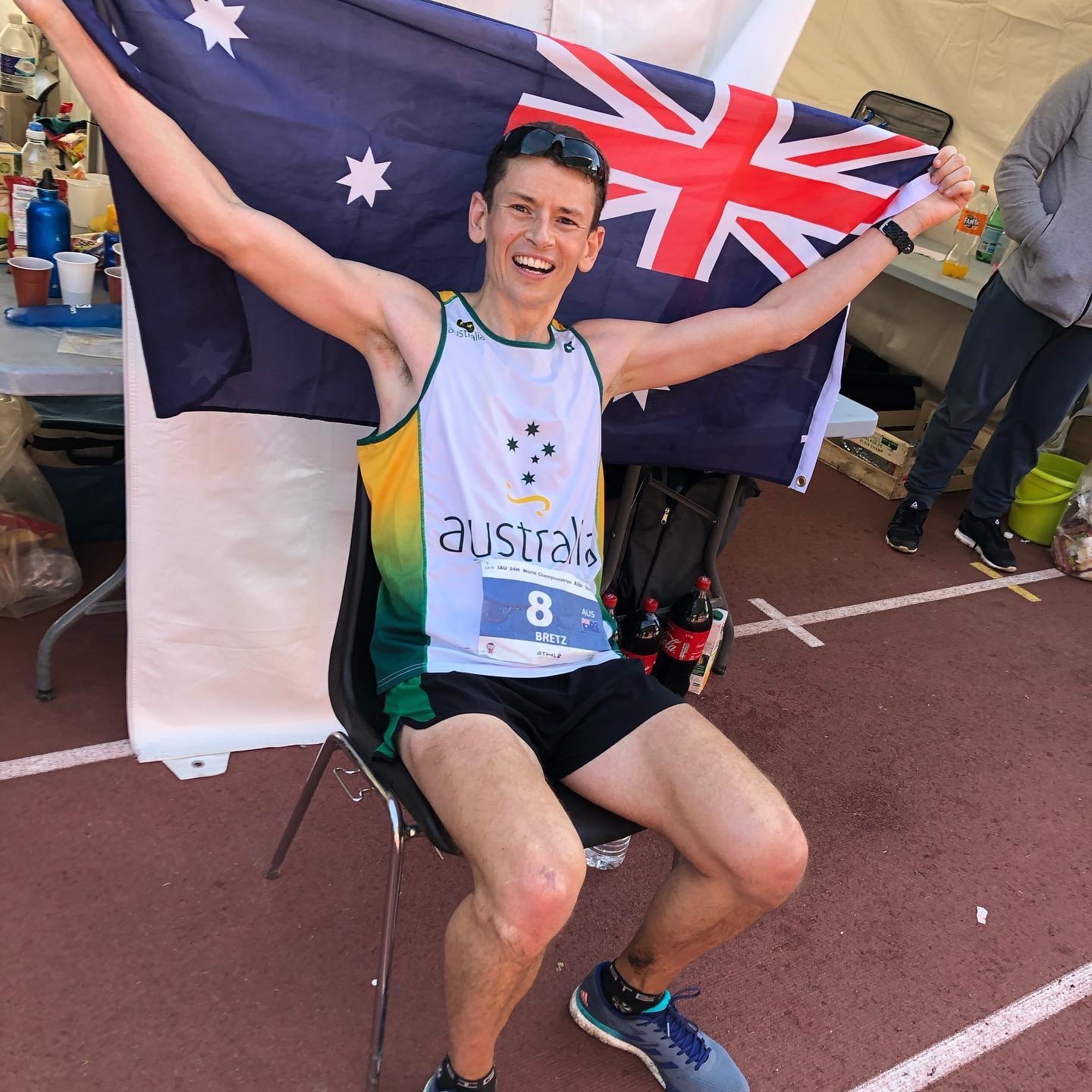
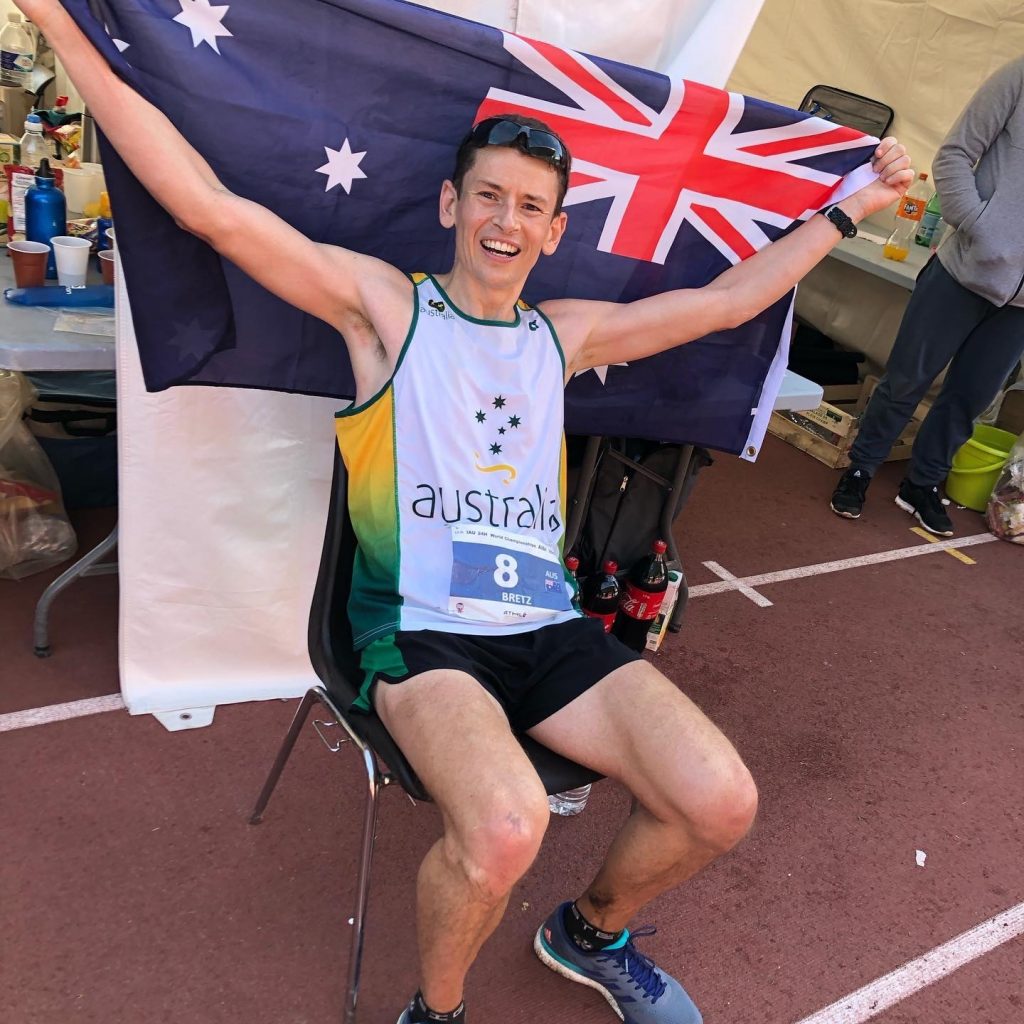
    Kay Bretz (pronounced “Kai”) is my podcast guest this week. He has a long list of accomplishments in business and in running. His running accomplishments are impressive.

    Member of Australian 24-hour national team  Australian Ultra Performance of the Year Award 2019 and  Bryan Smith Award 2019  

    Fastest-ever Australian at 24-hour world championships  (Albi, France 2019), covering 259.67km  

    Holistic approach to transform from hobby runner to one  of best ultrarunners worldwide (11th male at world  champs), balancing spiritual, mental and physical  preparation. 

    • Winner of 12-hour race at Princes Park 2021 (137.6km) 
    • Winner of Last One Standing Brimbank 2021 (36 hours,  covering 241.4km)  
    • Second place at 350km trail race through Western  Australia (Delirious WEST 2019, 68:52 hours)  
    • Third place at Australian trail championships (Two  Bays 56km 2018, 4:36:55 hours)  
    • Second place at Christchurch 100km 2016, New  Zealand championships (8:19:59 hours)  
    • Winner of Big Red Run 2015, a 250km stage-race over  six days through the Australian Simpson Desert  (improved course-record by 5:21 hours)  

    What he is really excited about is helping high performing people become elites.

    Trail running is his way of seeing something new and seeing what emerges, and that has driven him all his life.

    Kay was born and raised in Germany and then was in boarding school in Scotland. He’s lived in Japan and Russia, now living in Melbourne, Australia. 

    First 1K race at age 7

    First long distance run at age 7. It was one kilometer. He didn’t run the race like a typical 7-year-old. Most children run fast until they are tired, then walk, then run again. He held back at the start because he was afraid of not making it to the finish line. He let everyone pass him and told himself he would sprint at the end to catch them. He didn’t win the race, but he passed a lot of people at the end.

    Thinking things through came natural to Kay. He knew that what he might lack in natural talent he could make up with discipline and hard work.

    The emerging theme for his life was keeping control and being smart and logical. That got him a measure of success, but he hit a limit that felt like he couldn’t get past.

    He ran his first marathon at age 19 with a time of 4 hours 15 minutes. He used his skill at planning and hard work to run faster by the time he was in his mid-30s to 2:44:00.

    But it didn’t improve any more, no matter what he did. His method of keeping things under control and using discipline got him that far, but also held him back from getting to the next level. He had detailed training plans: long runs, intervals, tempo runs. 

    Mindset training got him to the next level

    He was focusing all on the physical part of training. But he didn’t spend any time on the mental part of running. How to regulate emotions, how to deal with setbacks. He wasn’t good at dealing with curve-balls and the unexpected.

    Doing the physical work of running is easier than facing our thoughts and emotions. We don’t ask ourselves, “To what extent I’m I the problem of the challenge I’m facing?”

    Kay found a mentor who saw his limitations. He said, “Kay, you are good at reaching goals because you are always realistic. But you are limited because you never go beyond what is realistic.”

    This advice didn’t resonate with Kai, because it didn’t give him any action to take. He was working hard to improve his marathon time. And he was working harder and harder, but only improved 9 seconds for his PR.

    What his mentor helped him do was see his limitations and experience them for himself.

    He told Kay to do “Mystery Runs.” This is a term his mentor just made up. 

    He told Kay to get a friend to run with him and conduct the Mystery Run session. The friend set the pace, the distance, the route, and the length of the run and wasn’t to tell Kay anything before or during the run. Kay just had to follow and keep up with his friend. This took away all the control from Kay.

    Turning right: Where it all started

    Kay asked his friend, Cory, to lead his Mystery Run. They left the house, and when they went through the garden gate, and Cory turned right. Kay realized that never before had he ever tuned right at his garden gate. He always turned left. He was doing the same thing over and over again, expecting different results. He instantly knew what his mentor was talking about. Because there was a world outside his house that he’d never entered.

    Then his intellect kicked in and said, “What does it matter? Turning right or turning left can’t be that important.”  That’s what happens to many of us. We get this kind of revelation then argue it away.

    Kay started to think that maybe he was a bit too controlled, but he couldn’t see the benefit.

    Next, Cory took Kay on a trail run, and started sprinting up a big hill. Cory was a stronger runner, and Kay thought he didn’t have a chance to catch him, but he did. And that was another “right turn.” It’s not the smart thing to do to chase someone you probably can’t catch. But sometimes you can win.

    From marathons to ultramarathons

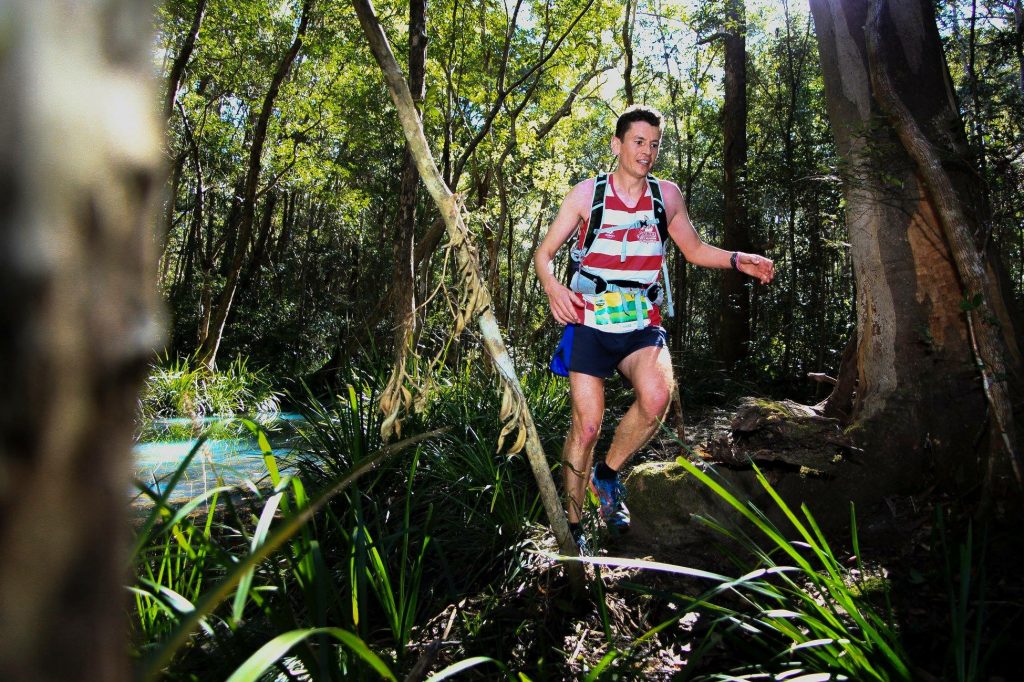
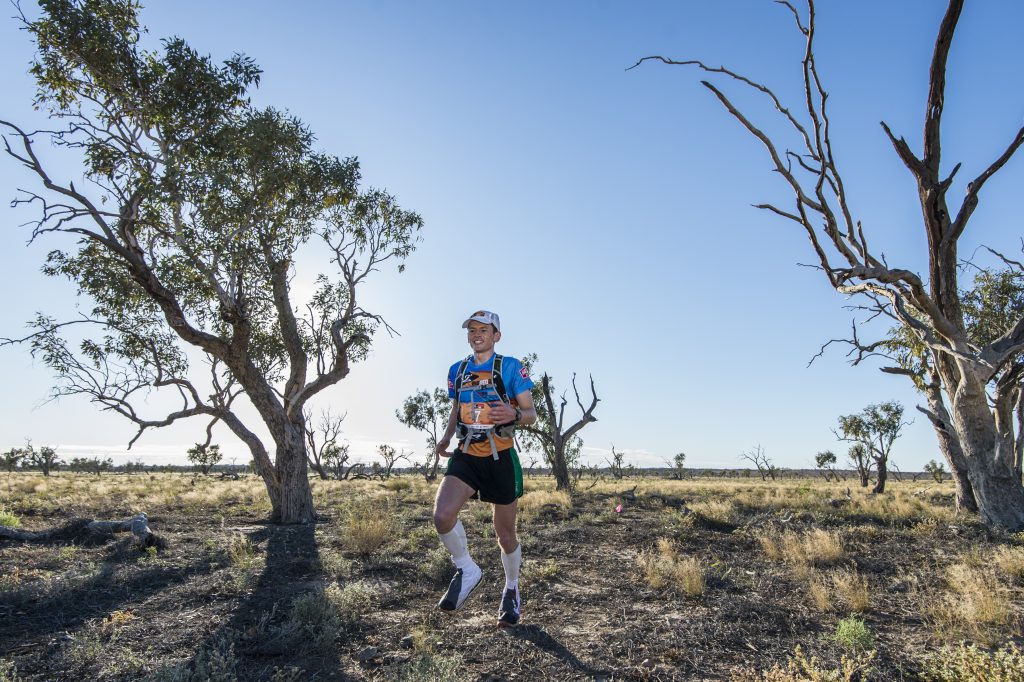
    That made Kay start looking for more ways he could push his limits and see where it leads to. He wanted to find out what was possible for him. So he went from running only marathons to running a 150 mile, 6 day stage race in the Australian outback. It was a long way outside his comfort zone.

    In the past, he trusted his intellect. But he realized that the future he was seeing in his mind was sometimes wrong. He began to ask himself, “What else can I do?”

    He began to train both his body and his mind for this race. His plan was to prepare for anything he could foresee. And at the same time, be open to deal with the unexpected and know that it will happen. 

    His first challenge was the trail marking. The path was marked with small pink flags, and he was worried he could easily miss one and get off course. But he re-oriented his thinking and told himself that he would get used to them.

    The first day he just ran, without worrying about pace. It was a marathon distance, and in deep sand. He knew he was in the lead, but then came on footprints in the sand. He saw someone up ahead, and pushed hard to catch them. He discovered it was the man marking the trail with little pink flags. When he arrived at the overnight camp, they hadn’t even set up the finish line because he was 45 minutes faster than anyone had ever run the first section.

    He faced a lot of doubts because all the experienced runners expected him to burn out the second day. But he ran an even faster time on the second day. Then he felt the pressure of expectations to keep setting records. He had to put that aside and focus on just running.

    He worried about the day of the longest run which was 50 miles. He got through it. But it was more of a struggle.

    A mindset toolkit for ultramarathon running

    He developed a mental tool kit to help him improve his performance. Thinking less. Being present. Not predicting himself into the future. 

    He uses meditation practice apart from running and in his running. It helps him create a space in challenging situations to make the choice to go a different direction. It gives time to step back and tell a different story.

    He used this in a race when his quads were cramping. Instead of telling himself the story that he couldn’t go on, he accepted the situation and said, it may not last. Let’s just keep going. 

    Mental calmness doesn’t force pain to go away. It’s more that when you don’t worry about it staying or going, it tends to go away. When you try to control the pain and push it away, that doesn’t work.

    The body is following wherever the mind allows it to go. Be present, and create the possibility for that magic to occur, and the sky’s the limit.

    You can push your body, like driving it with a whip, but that only works as a short-term strategy. Sprinting, for example.

    We don’t control our pain or our emotions. The best long-term strategy is tuning in. Zoning out, or ignoring discomfort may work in the short term. 

    The problem is not the pain itself. The problem is the story of disaster we spin around the sensation of pain or discomfort. If we project that story of disaster into the future it saps our energy and makes us think it’s impossible to go on.

    This was the key to Kay’s breakthrough. He reached a limit when he tried to control the outcomes. But when he let go and accepted what was happening, he was able to break past his previous limits.

    Through running, he has realized that anything is possible. He started asking how he could help others get there as well. He now does executive coaching for high performers get to the next level by “turning right” and learning how to deal with the curve-balls of life.

    He wrote about his process in his book Turning Right. His goal is to help the reader go on their own journey of transformation.

    Anyone is capable of running 100 miles. Yes, there are physical challenges, but it’s more about the mental strength and the belief that it’s possible. Whether we believe we can or believe we can’t, we are right. 


    Connect with Kay:

    Facebook: https://www.facebook.com/kaybretzturningright

    Instagram: https://www.instagram.com/kaybretzturningright/

    LinkedIn: https://www.linkedin.com/in/kay-bretz/

    Kay’s book on Amazon: Turning Right