Category: Podcast

Great conversations with runners and others who have an ultramarathon mindset.

  •  Lauren and Bud Run Wild

     Lauren and Bud Run Wild

    The mindset of adventure and fun

    My guests this week are Lauren Beihoffer and Bud Lamonica. They are ultramarathon runners, adventurers, and have a podcast called Run Wild With Lauren and Bud.

    Bud started running after going to a dark emotional place because of the death of his mother. He started running because a friend of his did an Ironman, and he decided he wanted to try that as well. He pushed himself hard and often ended up injured. He saw a meme about how runners often replace emotional pain with physical pain. He realized he might be doing this, and began to reach out to others who were going through the same kind of grief. 
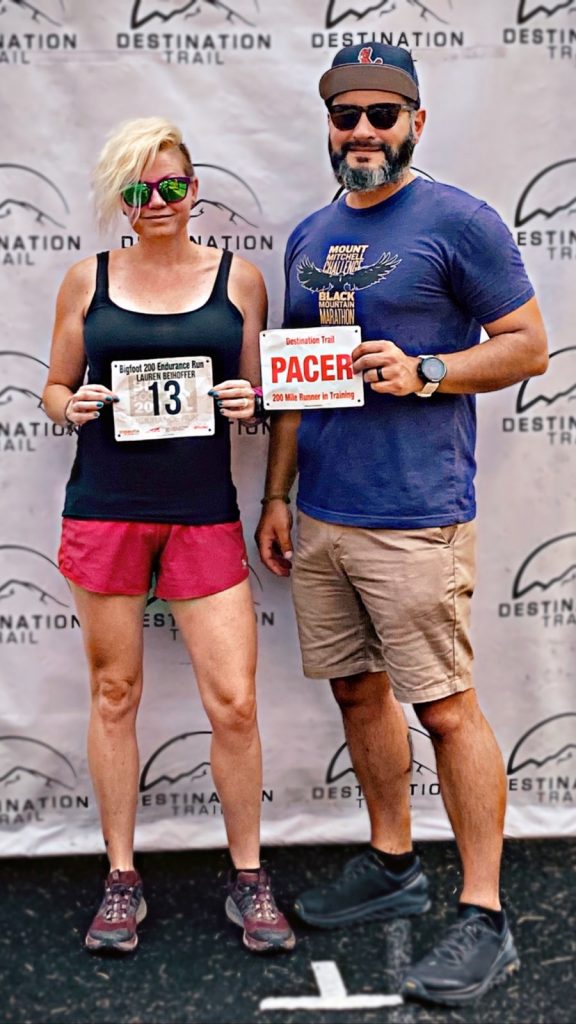
    Even before he completed his first triathlon, he had started hanging out with trail runners, because they seemed like the bad boys of the running world. Eventually he settled on being a trail runner.

    Lauren started running because she wanted to have something that she did for herself. She was raising two special-needs kids at the time. She could just go out her door and run. The exercise and endorphins helped her feel better, and it was a time to be alone and let her head clear. She found out about trail running, and that was a natural fit for her because she always like being out in nature. On a whim she signed up for and ran a short trail race. She had no idea what she was doing, but she loved it.

    Lauren and Bud met in college as chemistry majors in Chattanooga. Bud says he was intimidated by her intelligence, he didn’t think he was a good enough student to talk to someone as smart or successful. It was around 2016 when Bud was training for his first Ironman that they both showed up for a group run and connected. 

    They reconnected along the way and ended up running a lot together. They undertook some big things on trails. And they had already talked about doing a podcast early on, and they started it in 2019. Lauren says the podcast was more for them, it was a way for them to remember and document their adventures together. They didn’t think people were going to listen to it, but they found an audience who were asking them to do more.

    When races were canceled, they decided to do SCAR: Smokey Challenge Adventure Run, a 75 mile section of the Appalachian Trail. Runners compete for FKT: Fastest Known Time, or take it on for the challenge alone. They planned to do it as a self-supported run in about 24 hours. In the night, they ran across a group of bears, and one was particularly aggressive. They did have bear spray, but only used flashlights to shine in the bears’ eyes. They walked backwards for about a quarter mile to a hiker’s shelter. The bear encounter sucked the life out of them, and the remaining miles were more difficult because their mindset was focused more about imagining bears all around.
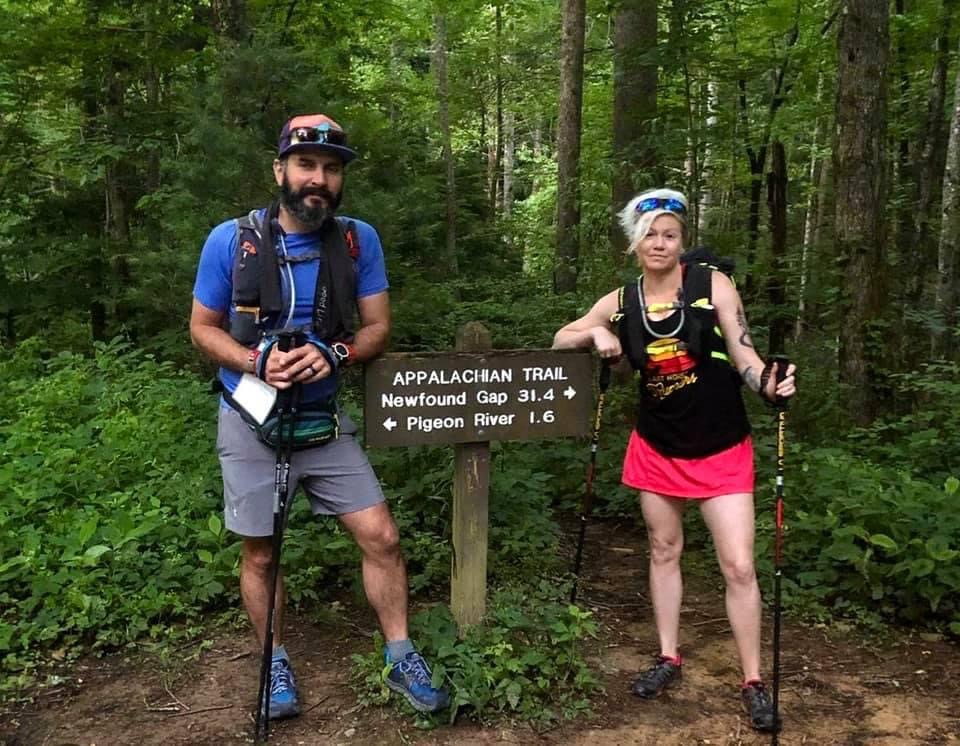
    Lauren ran her first 100 mile race in 2020. It was a DNF, but it was a good learning experience for her. When she was at mile 60 the weather was horrible, and she was feeling hypothermic.

    Bud says that the mental and mindset for running 100 miles is the key to success. The body is tired and in pain, and the aid stations have plenty of chairs and food. Lauren helped him get going again, and he finished.

    For Lauren and Bud It’s important to trust your partner because if you get injured, who are you going to trust? They prefer to have the other one as pacer in a race. It’s always a risk to have a stranger volunteer to pace for you. You don’t know if you’re going to be out there with someone who doesn’t know what to do or if they’re going to fail and then you have to carry them back .So you have to trust your partner’s abilities. Lauren says after the 50 miles of the run, you have to treat them like a little kid, they’re a little kid, they’re going to whine, they’re going to cry, they’re going to throw the game, you’re going to have to tell them no, they can’t quit. What matters most to them is that they’re successful together on the road because they know each other, they trust each other and they’ve been on the road together for a long time.

    Lauren loves being in the mountains and signed up for Bigfoot 200. It was very appealing to her because they were going to be dropped off and be in the mountains for 4 days. And she thought it was an awesome idea since she was at her 100 mile peak fitness. She loved that race even though there is a lot of elevation gain. There were long 20 mile stretches between aid stations, which really brought a little bit of that self-supported feeling to the race.

    One of the training methods they use to build strength and endurance is Rucking. This consists of putting on an extra sturdy backpack and then loading it up with 20 to 30 pounds of weight. Bud says that this exercise strengthens your lower body and gives you better balance.
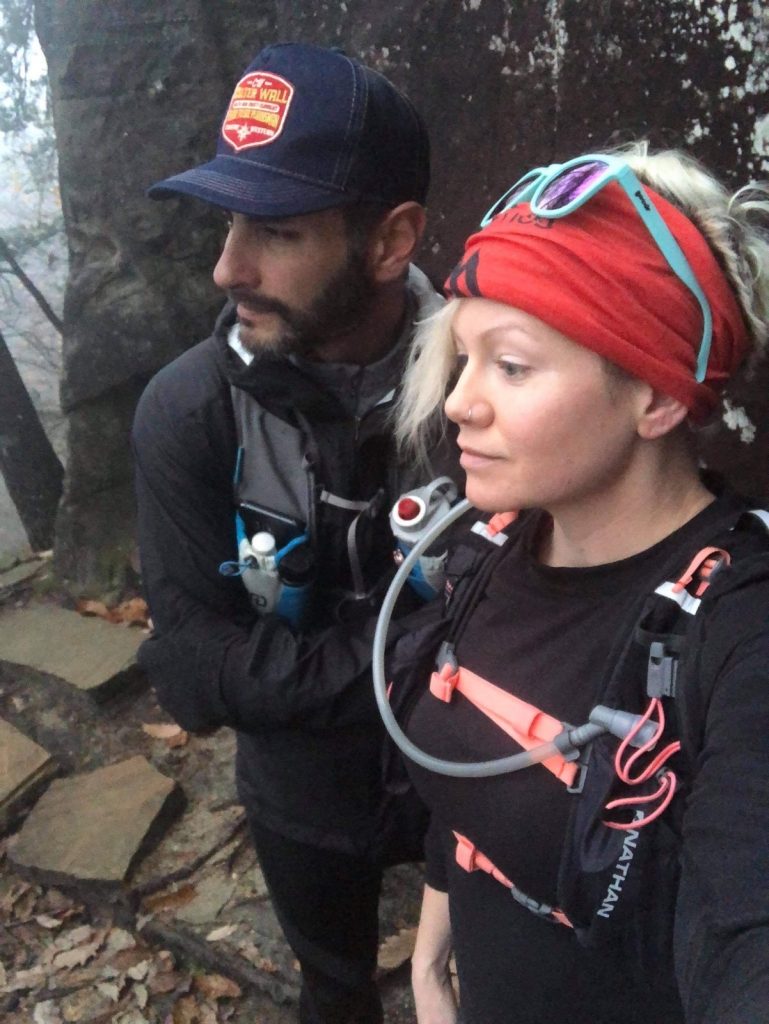
    When asked about stretching and whether to do it before or after a run, Lauren admits that in the last few months she hasn’t stretched. But she loves yoga, so she assumes it counts as stretching.

    Bud stretches before and after and says that a long time ago he was in charge of a running group and led them in stretching before and after. Iit was like a religious thing he did in his high school when he played soccer and stuff but he thinks most trail runners are lazy in this regard.

    For Lauren, her philosophy of life is that she’s here to have a good time.
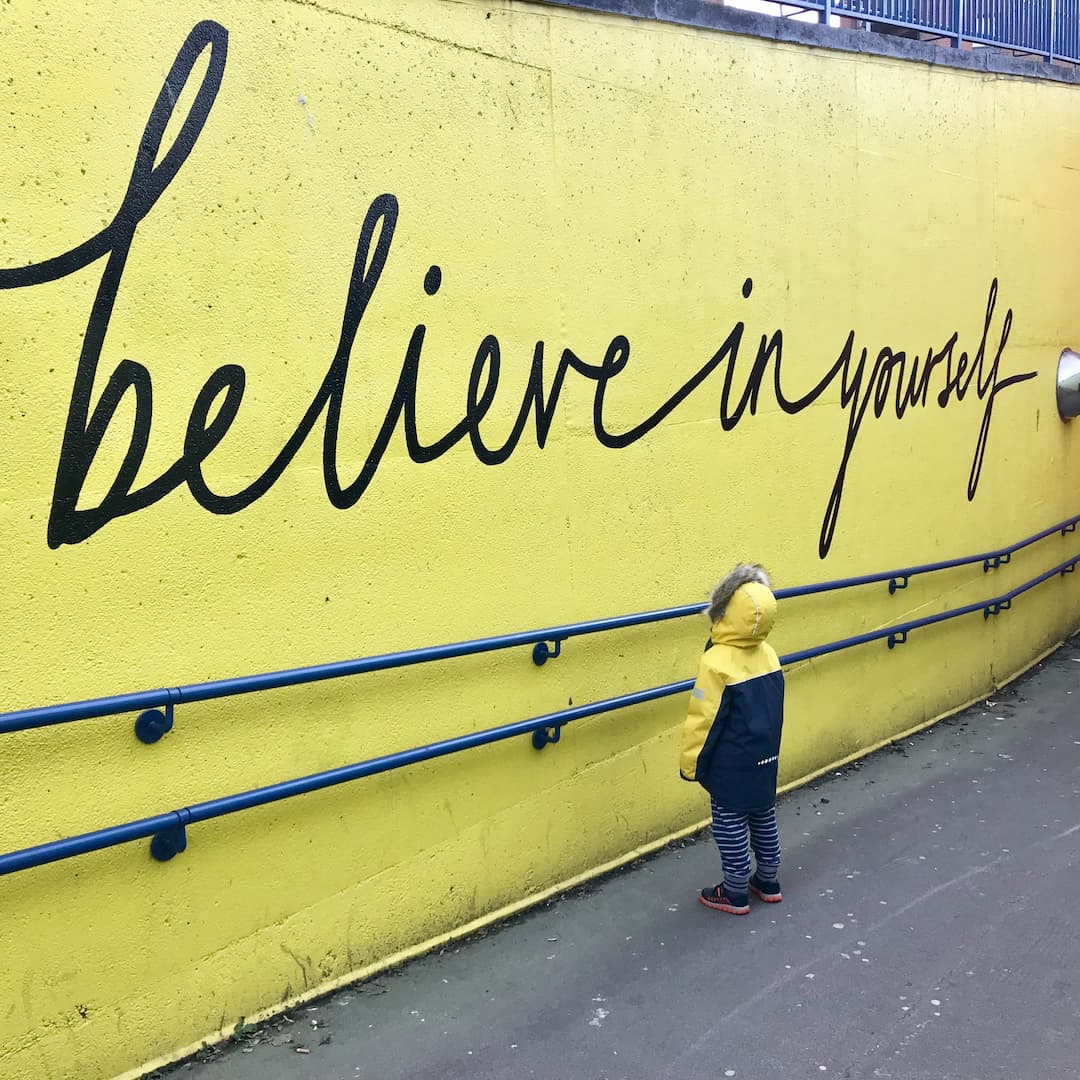
  • Monday Mindset: Are Your Affirmations Lies?

    Monday Mindset: Are Your Affirmations Lies?

    Speaker notes

    Do you feel like you’re lying when you say your affirmations out loud?

    Do you say things like, “I am an awesome, successful winner?” And hear a little voice say, “No, you’re not!”

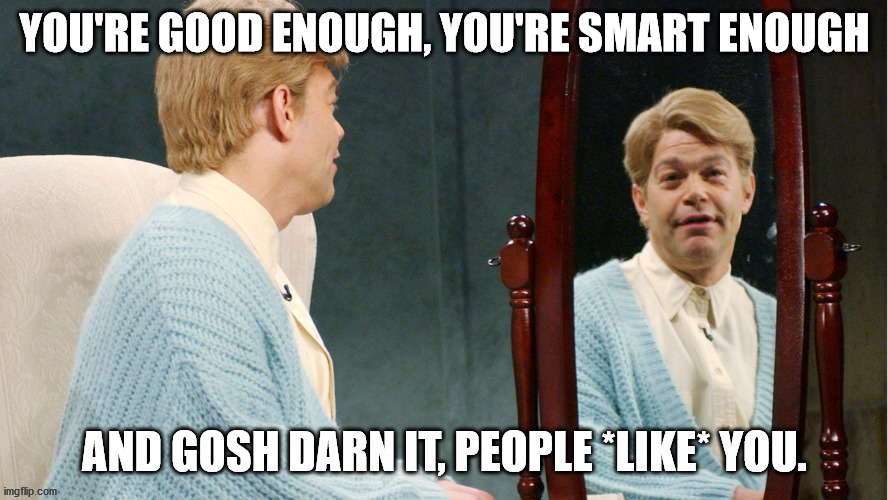
    Stewart Smalley: I’m good enough. I’m smart enough. And gosh darn it, people like me.

    Affirmations seem like a good thing, because most of what you tell yourself is negative. And you have years of negative self-talk stored up in your brain. So when you say your affirmations, it feels like a lie.

    Do affirmations work?

    Several studies have shown evidence that they do.

    1. Self-affirmations have been shown to decrease stress (Sherman et al., 2009; Critcher & Dunning, 2015);
    2. Self-affirmations have been used effectively in interventions that led people to start exercising (Cooke et al., 2014);
    3. They may help us to perceive otherwise “threatening” messages with less resistance, including interventions (Logel & Cohen, 2012);
    4. They can make us less likely to dismiss harmful health messages, responding instead with the intention to change for the better and to eat more fruit and vegetables (Epton & Harris, 2008);
    5. They have been linked to positive academic achievement by helping college students turn around a falling GPA (Layous et al., 2017);
    6. Self-affirmation has been demonstrated to lower stress and worry (Koole et al., 1999; Wiesenfeld et al., 2001).

    My experience: Just saying “I am _______” to counter negative beliefs and self-talk is like trying to melt a glacier with a propane torch.

    I made a list. All from the Bible, because I was suffering under the influence of a religious spirit back then.

    Recited them regularly for 15 years . . . melting a glacier with a propane torch. Not much changed.
    Also reading self-help books & listening to audio.

    And it took me years before I found the key to get free from my limiting beliefs.

    Takeaway: Affirmations are only a tiny part of what you need to change your life.
    Expecting positive affirmations alone to make a difference in your life is like ordering a diet Coke with a super-size Big Mac and fries when you want to lose weight.
    Positive: Kept my negative self-talk down to a trickle, not a flood.
    Negative: Always felt like I was lying. I never truly believed what I said.

    The good news is that you can turbocharge your affirmations to make them more effective.

    The resistance you get from affirmations comes from your subconscious.
    90 – 95% of what you do comes from your subconscious.

    Conscious affirmations: 10%
    Subconscious beliefs: 90%
    No question about who wins that battle.
    Keep it up for 15 years, like I did, and you might see a small change.

    Two tools to make affirmations work better:

    1. Say them in third-person. Study shows 3rd or 2nd person affirmations are more effective than 1st person affirmations.

    “I am __________” puts you in direct conflict with your subconscious.
    Your identity is firmly fixed in your subconscious.

    “You are _________” separates your identity. It is your consciousness speaking to your soul rather than your mind speaking to itself.

    1. Make your affirmations a question. 

    Tony Robbins – The quality of your life is determined by the quality of your questions.

    Your mind is wired to look for the answer to questions. Automatic response – goes to work immediately when it hears a question.

    Stuart Smalley – I’m good enough. I’m smart enough. And people like me.
    HOW CAN I become good enough, smart enough, and attract people who will support my efforts to be my absolute best?

    Make these 2 changes and you will stop lying to yourself about your affirmations.

    And if you are looking for how to speed up your results to the EPIC LIFE you want, message me here at the podcast: ultramindsetpocast.run

    You don’t have to spend 15 years, like I did, trying to figure out how to get unstuck. I can show you mindset tools that work and get you started toward your EPIC THING in life.

  • Mindset for Health – Ciara Carter 2

    Mindset for Health – Ciara Carter 2

    Becoming a runner by accident

    Ciara Carter is a returning guest. She is a runner, mindset coach, and a podcaster. Her podcast is the Run, Thrive, Survive Podcast.

    She started running when she was in high school. She wasn’t in cross country or track.  Basketball was her sport, but her mom bought a treadmill that she never used and Ciara started running on the treadmill. She went through a serious eating disorder in high school, and treadmill running was a way she tried to burn calories. 

    After her eating disorder she learned how to get in shape and have a healthy nutritions and wanted to help other girls in the middle of high school who were going through the same thing, struggling mentally, struggling physically and struggling emotionally. 

    Running is not part of her healthy lifestyle, and she runs distances from 5K to marathon. She qualified for Boston but was bumped from the list the year it was canceled. Now she has to qualify again, but she’s come back stronger and faster this time. She is thinking that the ultramarathon distance might be in her future after Boston.

    Psychology and mindset for health, nutrition, and running

    Ciara’s podcast is meant for those extremely hard working people who are trying to balance work life, social life, health, nutrition and having to take care of “all the things.” Her advice is that sometimes you thrive, sometimes you survive, but in all things you should run your life. Running is a part of her focus, but the mindset for health is the goal. She finds guests who focus on a lot of everyday life issues as well. And for runners who are not so concerned about winning races, but are wanting to feel better mentally, emotionally, and physically.

    She is working on psychology certification, as a board certified behavior analyst. because she wants to help people with behavioral health and fitness and also nutrition. She says the most important thing is that you have to be honest with yourself and it’s very difficult because a lot of times when people struggle with things they already know there is a problem and they know deep down they won’t admit it and she says it took her a long time to accept that she was anorexic. 

    She used to think that running would be a way for her to be able to eat whatever she wanted.  This mindset  is so dangerous for runners because they think that all they need to do is run and they will be fine and healthy, but that is so far from the truth.

    She says that the best way to work on our resolutions is to focus on just one and leave the others aside, because trying to focus on 20 resolutions at the same time can be very overwhelming. She also says that for her it is an important step to make a promise to oneself to have an emotional bond with our purpose. The motivation to change needs to come from inside, not external motivation. The best approach is to take small steps. But first you have to make a decision. Then you have to start. 

    For Ciara, a phrase that captures her philosophy is “Everything happens for a reason.” 

  • Monday Mindset: Facing Fear and Deciding to Change

    Monday Mindset: Facing Fear and Deciding to Change

    Speaking Notes:

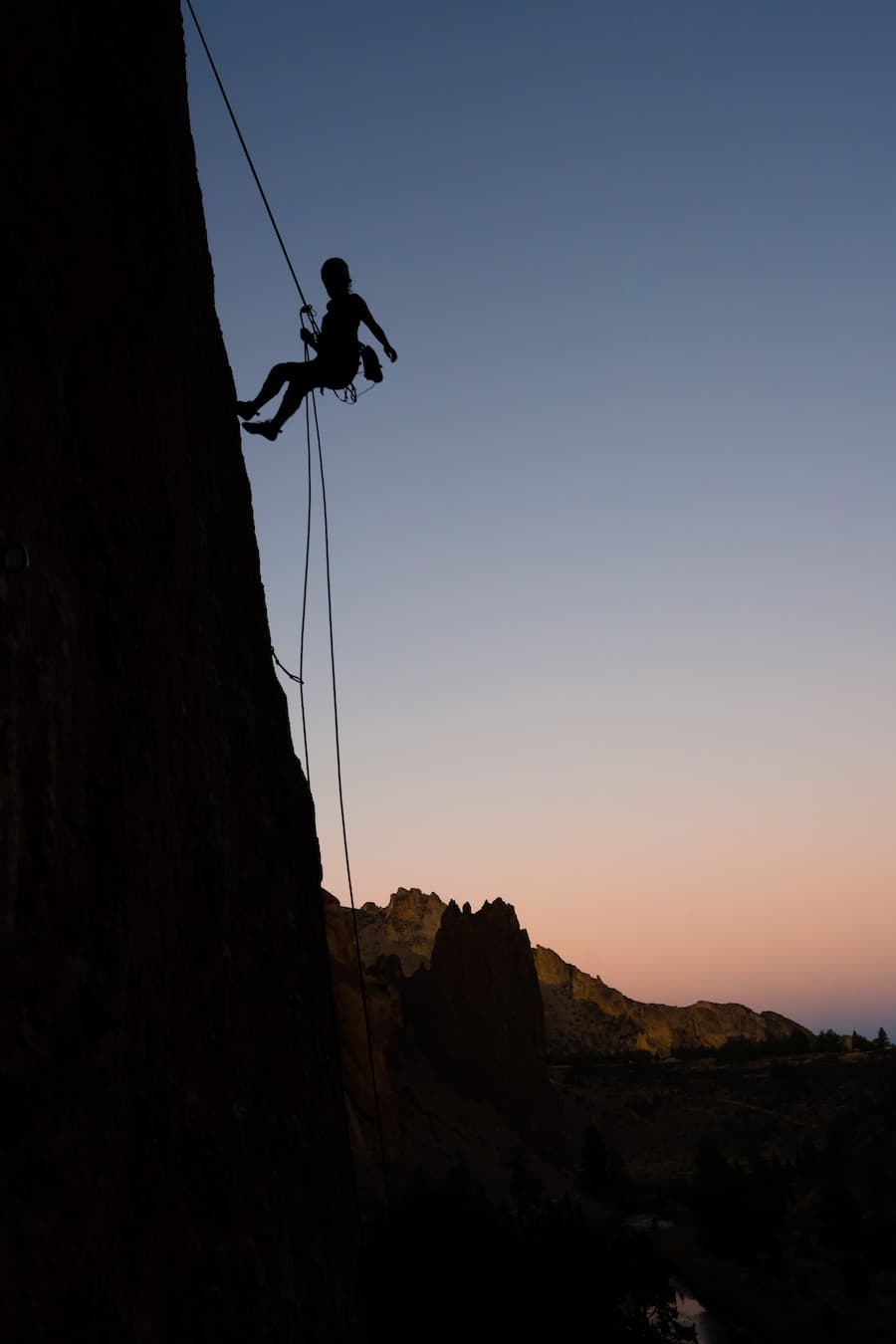
    I had my toes firmly placed on the limestone rock. But my heels hung over 50′ of cold, Kansas air with hard packed clay at the bottom.

    My heart hammered as I slowly leaned backwards.

    It could have been my mom’s fault that I ended up on the edge of that cliff. She told me that she lifted me up to look over a railing when I was little and I got scared. All I know is that I was afraid of heights as a child and young adult. 

    My dad built me a treehouse when I was 6 – a platform about 10’ off the ground. 

    I couldn’t get on it. I tried. 

    (No seat belts, bike helmets, school playgrounds were gravel or asphalt)

    The treehouse mocked me every time I walked through the yard.

    And, as a teenager: School trip to Atlanta. Hyatt hotel. Elevators exposed – full glass.

    I was crouched on the floor. My friends were embarrassed. 

    My fear continued as an adult. Any time I had to climb a ladder or get on a roof, my whole body tensed up. 

    So how did I end up on the edge of a cliff when I was 35 years old?

    I met a man who found out about my fear of heights and said, “I can cure you.”

    He had experience rappelling out of helicopters when he was in the Coast Guard.

    He took me to Echo Cliff and put me in a harness and showed me how to control my descent.

    Then he said, “Follow me,” and we both backed toward the cliff.

    The rope was nylon and it felt like a stiff bungee cord as I leaned back.

    I went down that cliff about 15 times that day.

    And my friend was right. It cured my fear of heights. 

    I’m still nervous. But I don’t lock up in fear any more.

    So what does this have to do with mindset?

    I didn’t realize it at the time, but that decision to take action and accept help in dealing with my fear of heights was the first step to getting to where I am now.

    I had a lot of other crap to deal with – limiting beliefs that took years to get over. 

    But the process is the same.

    No, not rappelling down a cliff. 

    1. Wanting something different for your life.
    2. Making a decision to change.
    3. Take action. START

    Now I know there are other, less shocking ways, to deal with fears.

    Therapy is an option. Behavior modification programs.

    But the mindset is the same.

    If you aren’t living the kind of life you want (epic life), follow my three steps.

    Figure out what you want.

    Decide

    Start

    Step 4: Don’t stop

  • Running Adventures Across the World – Mandy Miller

    Running Adventures Across the World – Mandy Miller

    Mindset to go after adventures

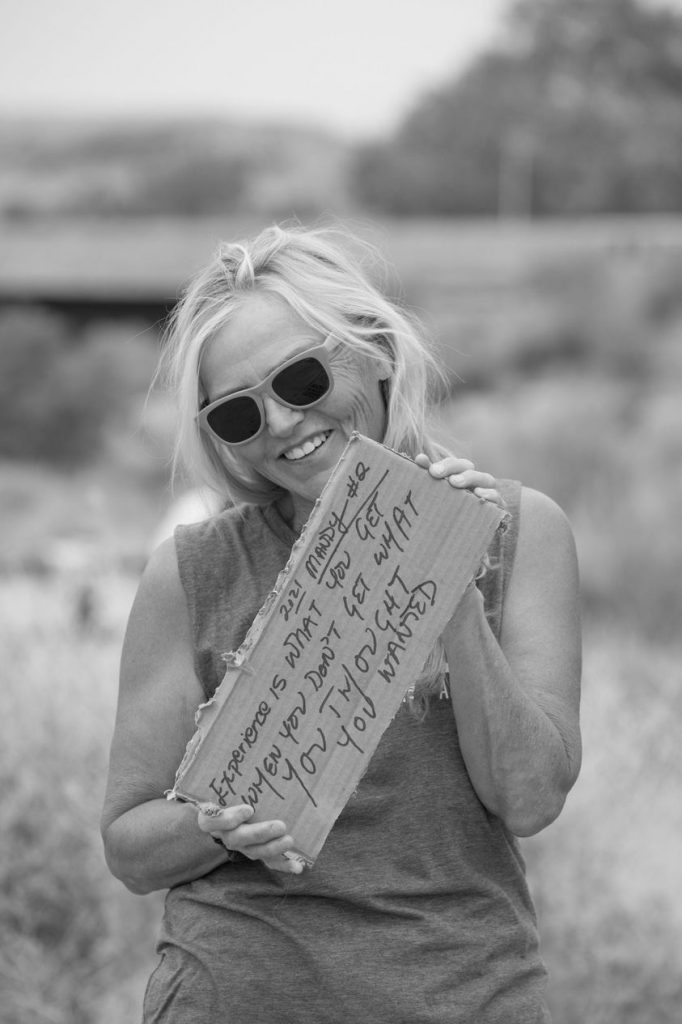
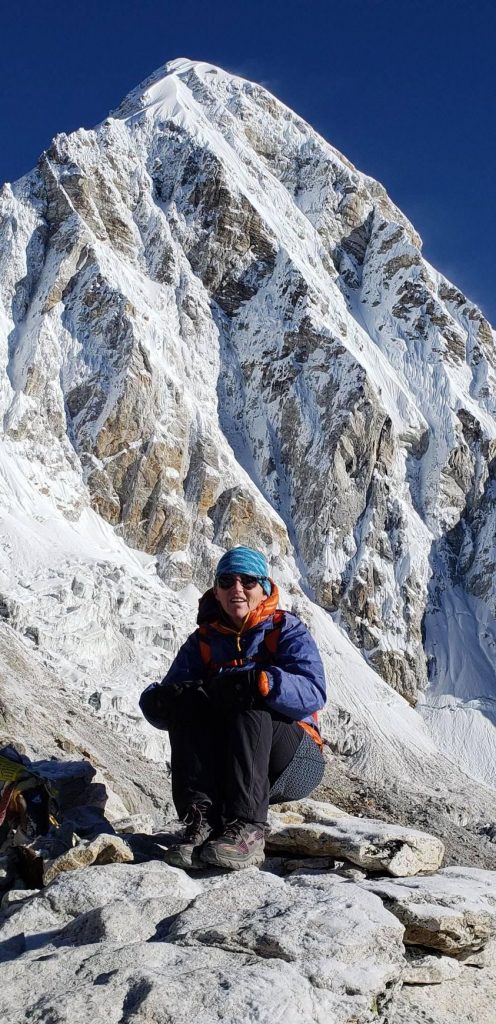
    Mandy Miller has developed a strong ultramarathon mindset in her races and adventures from all around the world. 

    She played all the sports she could when in high school.She says that even though she was very athletic she was a bit of a chubby kid. And after college, while she was in law school, it seemed like she was gaining more weight from sitting and studying. So she went on what she describes as an “ultra” diet and lost 60 pounds in a mere 11 weeks.

    After she lost so much weight she started running. She bought a pair of pink Saucony running shoes, that was in 1984 in Chicago and the next year she ran her first marathon. The marathon became her sport of choice until she got burned out on it and then switched to  IronMan triathlons.

    Running in the Sahara desert

    She eventually lost interest in the triathlon and so she signed up for her first ultramarathon, Marathon de Sables, where she would spend 7 days in the Sahara desert in 2000.

    In this race, they give you campsites and set up tents, but you have to carry all your food for 7 days. There are mandatory kit requirements from the race, but runners often bring more than they need. She finds it hilarious that on the second day of these races, you see people throwing things out of their backpacks that they don’t need. And then there are other races like the Desert Rats she did last year which is in Utah. They provide wonderful food, and you can bring your own tent or you can sleep in their tents. so you only need a day pack, you don’t need to carry all your stuff.

    Mandy is drawn to the challenge of planning and strategizing for stage racing. The desert heat requires being acclimated or try to get acclimated to the heat. The game is to keep your body together and your feet in one piece the whole time, and there’s a lot of trial and error involved. New runners tend to start too fast in the first couple of stages and then they’re toast for the rest of the week. You also have to really watch what you eat because you have to eat as much as you can. You’re going to lose weight no matter what. 

    The mental game, according to Mandy, is to stay in the moment and not be thinking ahead, not letting the magnitude of the distance, the terrain of the pain overwhelm you. And that’s even more important in a stage race, because once your mind gets discouraged, it’s very hard to keep going.

    Once she got caught in a sandstorm on the long stage of a race and got lost. She and several others got lost in the desert because someone had stolen a trail marker flag and there were 4 or 5 of them that were wandering around lost in the night. She was with 2 English guys they were laughing their heads off because they were so lost. Laughing was their way to not be so afraid. She says she has a penchant for getting lost, even getting lost on a one mile looped course because she was having a good time and took a wrong turn.

    Self-supported ultramarathon in the Yukon winter

    She tried to do her first 100 and failed. That was the Rocky Raccoon, and she thinks it was probably in 2012 and she had no idea what she was doing. The first 100 she finished was the Yukon 100. This is a self-supported trek through the Yukon in 50 below (fahrenheit) temperature, pulling all your equipment in a sled. A woman she met in one of her stage races was an experienced runner. They decided to do a 100 miler together, but to do something different.So running in the Yukon in January was what they decided to do.

    Mandy says the hardest thing about winter racing is keeping the water from freezing. The water froze and they had nothing to drink except the snow they ate. Since then she learned a trick about sprinkling vegetable oil in the bottles and they open a lot easier in the in the freezing cold. For food, they needed to carry fatty things because otherwise they freeze and can even break teeth. So she makes brownies with protein and puts a lot of butter in them so they stay soft or she had Milky ways because they have a lot of Caramel in them and that soft nougat. She would just put them in her pockets and hold them close to her body and then pull them out one by one.

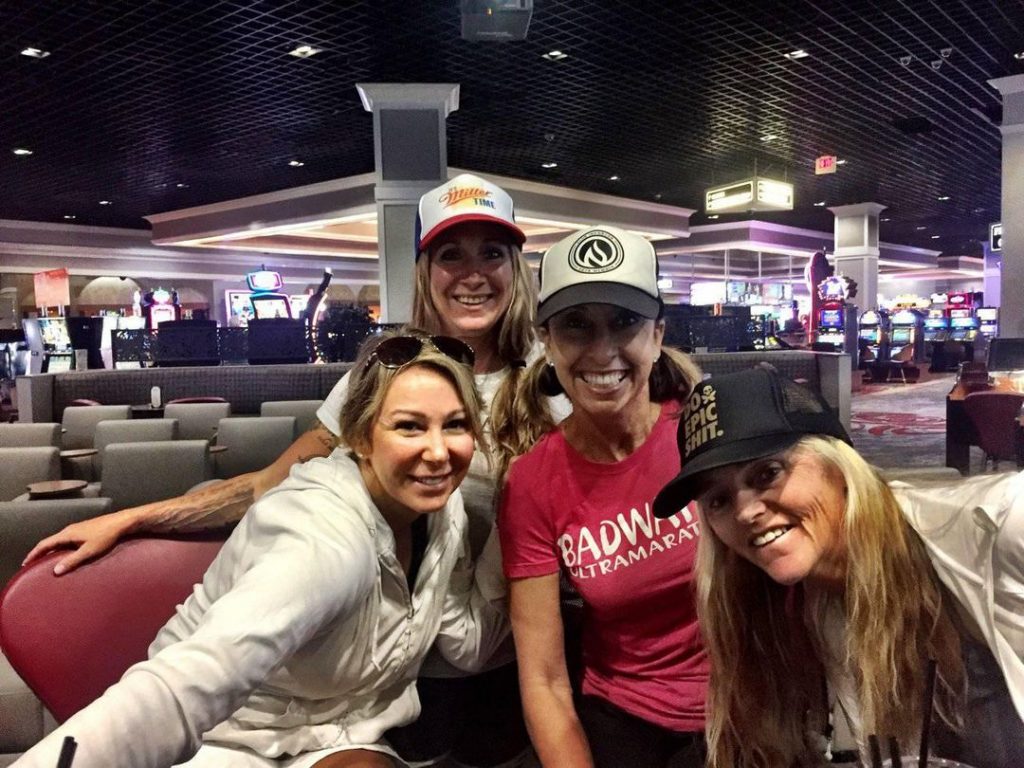
    In the race they can have their own team and she prefers to have her own so she has a team that I have used more than once and they are a lot of fun and it’s a group of girls that she is friends with that she met running in different camps.

    Mandy tells us that it has happened to her that her mind thinks it’s only 5 hours away, which is the most ridiculous thought there is, and then you think that was just a while ago, but a while ago was 3 hours ago, so it seems like time doesn’t really pass. He also says that he is very clumsy and that he concentrates a lot on not falling and that’s one of the reasons he doesn’t talk and it’s because he really has to concentrate and he doesn’t lift his feet very far off the ground.

    Mindset for dealing with pain and discomfort

    Mandy and I met at the end of her Javelina 100K run. I ran with her for the last few miles. I was running the Javelina Jackass, a 20 mile loop. During our conversation she never mentioned that she had broken her ribs early in the race. She caught a rock on the trail and fell hard, almost landing on a cactus. She said it was quite painful, but she was focused on doing her job, keeping her body, keeping her focus, andher concentration. She says she keeps doing all the things that you need to do to be able to finish and then she takes a certain amount of pleasure in the pain, which can be a strange thing, but she’s able to do that to embrace the hard times. She doesn’t ignore it, she doesn’t try to block it out, she doesn’t try to resist it, but she doesn’t focus on it either, so she winks at it.

    She has done a lot of research to get there. She has a Phd. in psychology and explains that using cognitive dissonance is a way to manage pain. If you do something that is dissonant with what your body feels, you can change your mind, you can change your thoughts and perception of pain.

    As for plans for future adventures, she would like to run the Comrades Marathon in South Africa again. She’s in the lottery for Leadville again. Also the Fire and Ice stage race in Iceland. 

    She wants to try to do the Camino de Santiago in Spain, but says it is a big time commitment and would need some planning. Also as she hasn’t done any races in Scotland. She would like to do the West Highland Trail or the Scottish Ultra or also Cape Wrath, which is a much longer stage race, she thinks it’s 225 miles or so, over quite rocky technical terrain in the north of Scotland.


    Facebook: Mandy Miller

    Book: States of Grace

  • Monday Minset: Quick and Easy Kills Your Soul

    Monday Minset: Quick and Easy Kills Your Soul

    Easy Button

    Speaking notes:

    When you get everything in your life quick and easy, it’s killing your soul!

    The quick and easy is killing your soul!

    Short-cuts
    Life hacks
    Easy Button
    Microwave
    Instant mashed potatoes
    Fast food
    Instant downloads
    Convenience stores

    We all get conditioned for fast and easy in everything.

    Don’t get me wrong. I love convenience! Don’t want to do everything hard and slow.

    But our conditioning for easy and comfortable = no challenge unless we go find it.

    And most choose “easy” challenge . . . success almost a sure thing

    Human nature . . . value = work or effort

    Harder you work – the more value

    More money – the more value

    The more risk of failure – the greater feeling of success

    I think some people are content with easy and predictable. They stay stuck in Groundhog Day and don’t want anything to change.

    Then there are those of us who want something EPIC. We want a challenge that makes us dig deep and do more than we thought we could.

    I call this the Ultramarathon Mindset.

    Life is not a sprint. Life isn’t even a marathon. Life is an ultramarathon.

    Start slow

    Gradual progress

    Manage energy

    Push thru setback

    Keep moving forward

    As a mindset coach, I help clients go after their EPIC THING . . . something that will change your life.

    Break out of limiting beliefs and do more than you ever imagined possible.

    It’s not fast and easy.

    It takes time and effort and mental grit and determination.

    Is it worth it? ABSOLUTELY!

  • Tough Mudder Endurance Mindset – Devin Nelson

    Tough Mudder Endurance Mindset – Devin Nelson

    From Tough to Toughest Mudder

    Devin Nelson went from running ultramarathons to Tough Mudders to the Worlds Toughest Mudder.

    A Tough Mudder is an obstacle course race 13 miles long with 25 obstacle,s some of them include electricity, mud, climbing, and monkey bars. He ran in the Tough Mudder events for several years before he was drawn into the World’s Toughest Mudder which is running the course for 24 hours. The goal is to see how far you can go in the time you have.

    In training for his Tough Mudder races he ran his first trail marathon, The Hawk Marathon in Lawrence, KS. And he ran a 50 K as a training run.

    Devin was one of 11 finishers in the Hawk 100 in 2021. There were 47 who started the race, but the trail as well as the heat and humidity took its toll on the runners. This race features a trail section that has its own “support group” on Facebook: The White Trail Support Group.

    Training for the Silver Heels 100 led him and his friend Johnathan to drive from Topeka, KS, to the area around Colorado Springs to train. They ran up mountains, following the path of ski lifts. They ran the Manitou Incline: claimed to be the hardest mile in the world. It’s like a long, unbroken set of stairs going up the mountainside. They also ran the trail where the Pikes Peak Marathon is run. 

    Their training was intended to give them some tolerance for the altitude for the Silver Heels ultramarathon. But the race was another 4000 feet higher than the mountains they trained on. 

    Devin and Johnathan both entered the race. The Silver Heels 100 starts in Fairplay, CO, at an elevation of over 10000 feet and goes up from there, but never lower. The total elevation gain is 17000 feet. The combination of the altitude and elevation gain was a factor in their DNF. But, Devin looked back and realized that there was a seed of doubt in their minds when they started. And that seed grew as the miles went by. They were still ahead of the cutoff when they pulled out.

    The Tough Mudder community, like the ultramarathon trail running community, drew Devin in and made him want more. The obstacles are often hard to overcome on your own. There are people who sign up for the race just so they can help others achieve their goals. And the competitors also have to work together to get past the more difficult obstacles.

    Besides running, Devin says he does a lot of kettlebell workouts and a lot of strength training. He thinks this helps with recovery. He also does a lot of core exercises, andsquats, because he has to use his legs to jump. Also he does push-ups and a lot of burpees.

    Devin says  his wife is amazing because of her support and encouragement. She goes with him to his races and acts as crew and support. She also makes friends with people in other crews and lends a hand for any runner who might need extra help


    Connect with Devin

    Facebook: Devin Nelson

  • Monday Mindset: Words & Thoughts

    Monday Mindset: Words & Thoughts

    Take care of your thoughts when you’re alone, and take care of your words when you’re with people. ~Zig Ziglar

    Your thoughts are stories made up of words. And your mindset is created from the stories you tell yourself.

    The words you use create your reality. Not New Age woo-woo.

    You don’t experience the world as it is. You experience the world through perceptions of what it is. Your perceptions are stories you make up about the world.

    For example: Event (what happens) – your senses (what you see/hear) – your mind creates a story: what it means to you and for you.

    Mind is a database of stories – who you are and how the world works.

    The words you use and the stories you create from those words form what is “real” for you.

    Words have power over the “real world.”

    Plants respond to words and intention. Talking to plants often something people joke about.

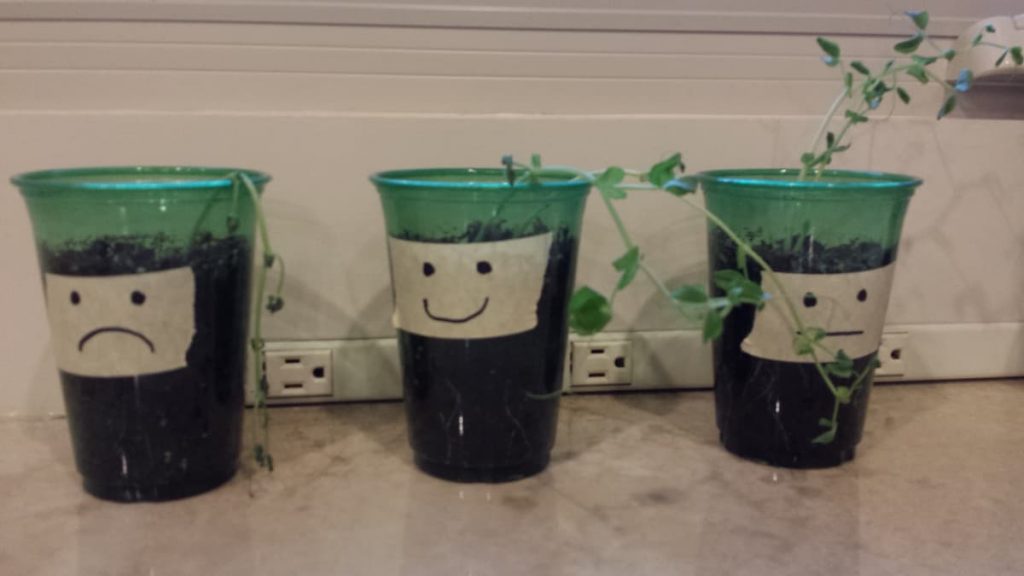
    My experiment with bean seeds. Good words created more growth. Bad words created wilted plants.

    Effect of negative and positive words on bean sprouts.

    Imagine that what you say could immediately create an effect in time and space.

    Words people say about themselves:

    I’m such a klutz.

    I always mess up.

    I can’t do it.

    I’m such an idiot.

    I’m getting the flu…cold.

    Because it doesn’t happen immediately, we tend to be careless with our words.

    My word for this year is “words.” I pick a word for the year instead of resolutions.

    This year I will pay even closer attention to the words I use.

    I will speak as if my words will make it real . . . make it happen.

    I believe there is power in words. Even if you don’t fully believe, you’ll be better off speaking positive words to yourself and others.