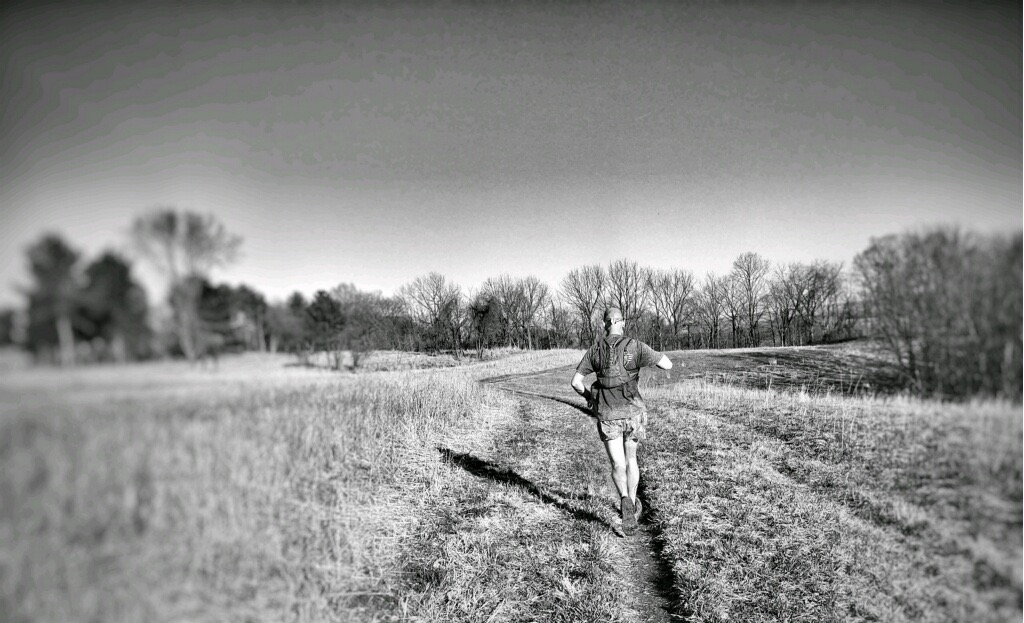
Ryan is from a small town called Point Pleasant right on the coast and he always wanted to leave and when he did, he had to come back 20 years later.
He works as a mailman and listens to podcasts while he walks his route.
He fell in love with ultrarunning for the community.
He skied for 10 years.
Ryan in addition to running also puts in some weight training at the gym and then wants to incorporate some cycling into his training.
Leadville is his dream race.
Things we discussed:
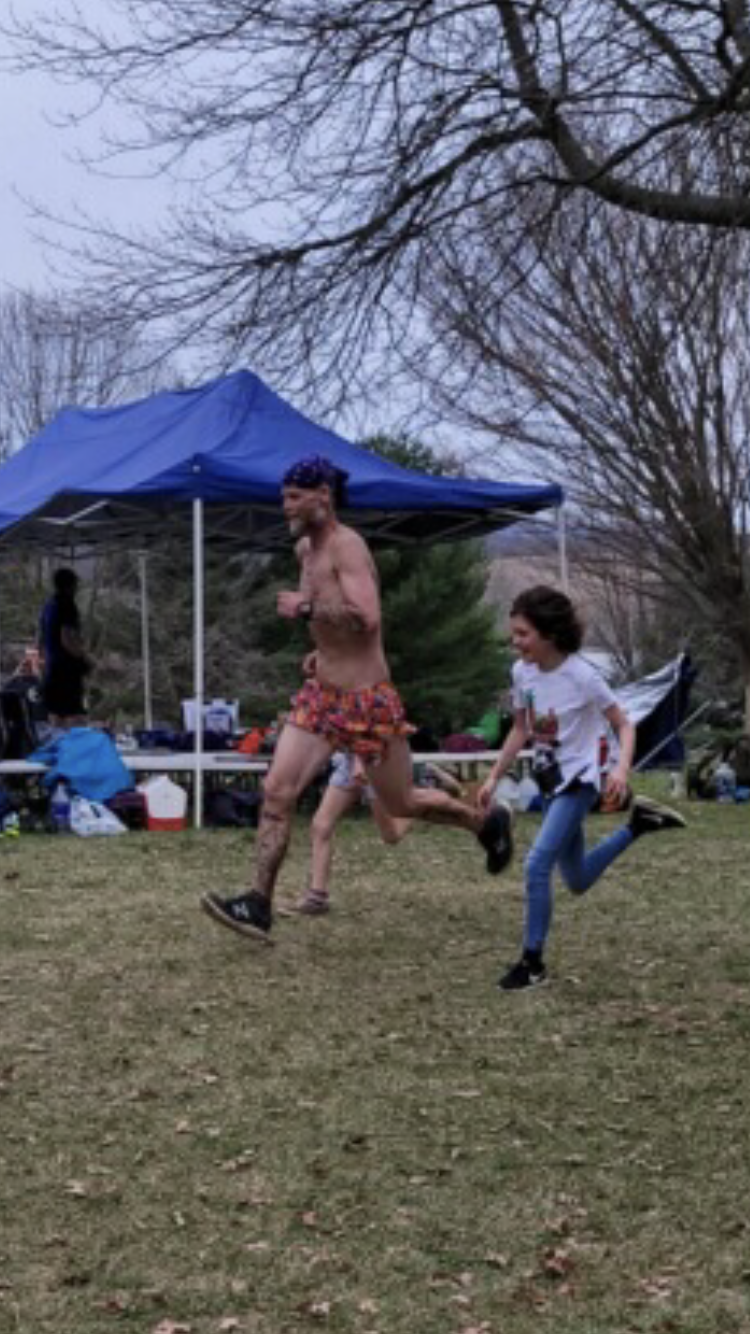
Ryan is known for running with injuries.
He started running in 2005 when he was 28 years old and just over 300 pounds and was still in active addiction but he thought he should lose weight and decided that the only thing he could drink was vodka and soda water because it has the least amount of sugar.
When he was running he lost 25 pounds and thought about what it would be like if he added exercise.
He became obsessed with losing weight, running every day but also with eating very little without one thought about his health and longevity.
When he started training for his first 50k, that’s when he started to consciously train for what his body needed.
He learned not to be worried about his perspective on running and fitness. Now it’s more about living better so he’ll be able to do what he does now when he’s in his 60s or 70s.
Ryan says that running saved his life the night he was craving a drink and threw on a pair of shoes and ran out the door and kept going for miles in regular street clothes.
He tells us about how hard it was for him to learn to run slowly and how he has now gained much more knowledge of the science of running.
Running and training, it’s a game changer and I can learn anything I need to.
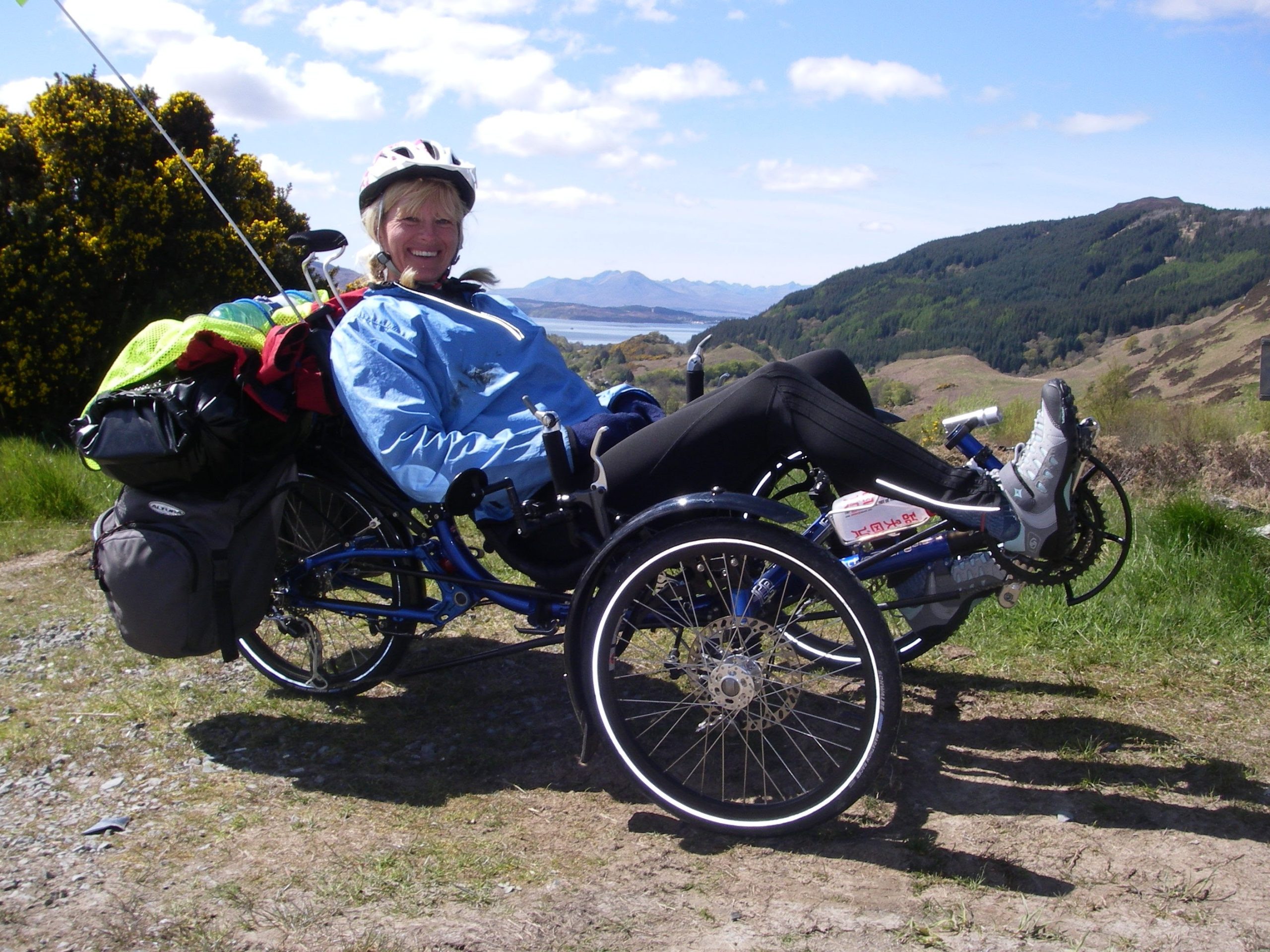
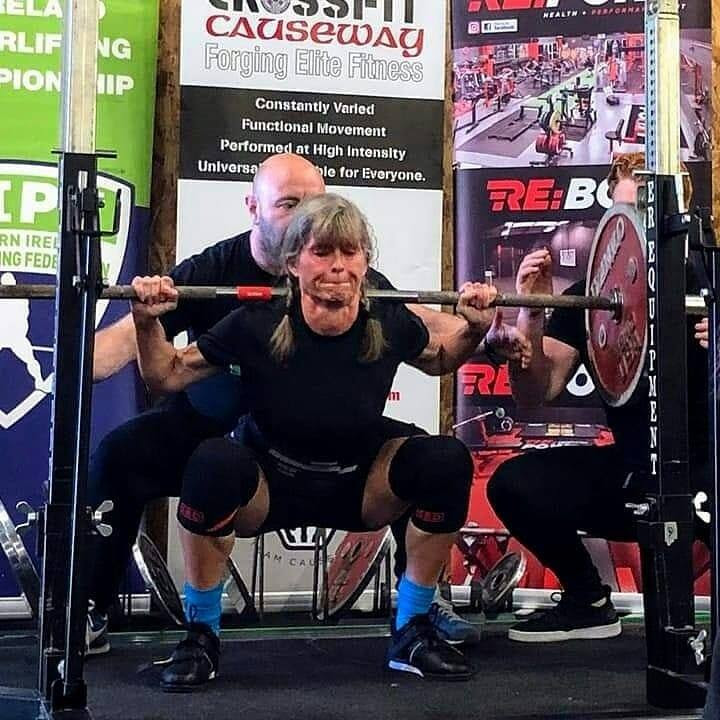
Her first race was a 10K and then she went straight to Madison American.
She did her first Ultra at almost 40 years old.
When she got pregnant she trained to be an aerobics instructor.
Running is something that connects her to her parents because it was something they did.
In 2019 she competed on the track for the first time even though she knew nothing about this type of running.
Jane likes to learn to do new things and one of those was learning to swim butterfly.
When she was little they would watch a sports TV show and her father would take them outside to mimic the drills as a game and she hated it.
Things we discussed:
In her 20’s he grew to love becoming a school teacher.
At work she started running to socialize and to do something else.
We talked about Jane being post-menopausal and how that brought a glitch to her performance. She told us about the hormone therapy and how difficult the training was when she entered menopause.
Jane was not enjoying her 40’s and had to work at it.
She told us about the time she asked herself the question “Why am I doing this?
She wants to make the most of her body and mind and remain active like her parents who are currently in their 80s and 90s.
We talked about people’s limiting beliefs about age and how they believe that people can only run until they are 40.
We talked about changes in training depending on what you are going through in your life.
We also talk about respecting your body and knowing how to take care of it and what is your resistance capacity.
Bridge questions:
Her must-have piece of gear (kit) is a sort of metronome that goes under her bathing cap.
The most shocking thing she has ever seen was one night when she was camping and she went for a run at night and the sky was beautiful with the moon and a pile and for her it was one of these images that stays forever in your mind.
Word or phrase that describes her philosophy of life: Play!
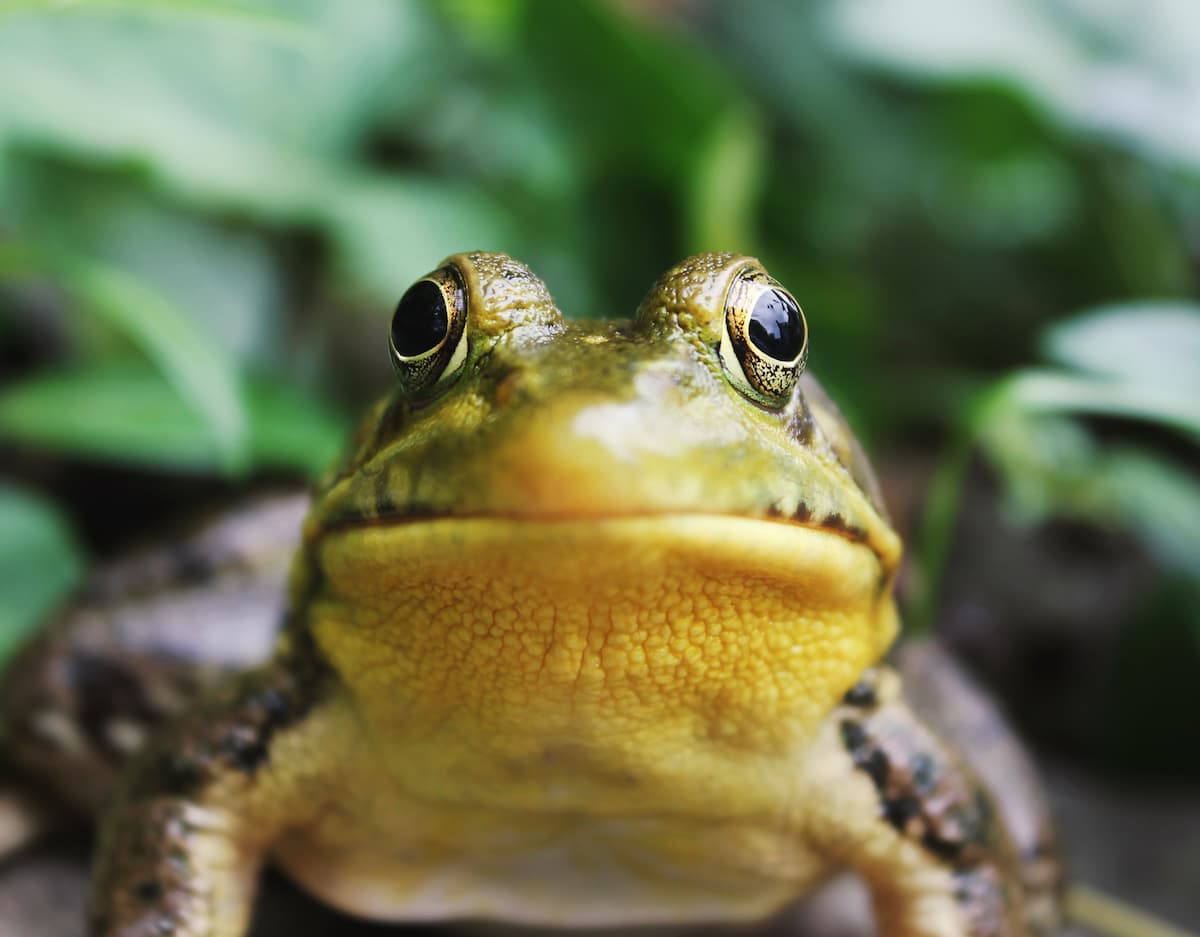
You’ve probably heard the story of how to boil a frog.
If you put the frog in a pot of boiling water, he will jump out.
But if you put a frog in a pot of cool water and gradually turn up the heat, the frog will stay in until he boils to death.
My experience with frogs: They wouldn’t stay in the pot no matter what.
But the conventional wisdom from this story: You will adapt to gradual “crap” piling up on you until it eventually kills you.
But that’s not always true either.
There are some who are more afraid of change than “boiling to death.”
But most of us reach a point where we snap and say, “I’m mad as hell and I’m not going to take it anymore.”
So what is your snapping point?
And do you really want to wait until that point to take action?
The 13 American colonies were like the frog in the pot.
England kept turning up the heat with laws that were headed toward making them all slaves.
And just like the frog in the pot, it happened a little at a time.
If you’re like me, the story you remember from American History class is that everyone reached the snapping point and rose up to declare their independence.
The Declaration of Independence was written and we all came together for fight for freedom.
Depending on where you lived, you could have been the only one on your street in favor of freedom.
Think about these numbers: 30% of the people were willing to actively fight to remain on the path to eventual slavery.
And another 25% were willing to accept slavery in order to avoid conflict.
These numbers show you how much most people resist change.
Men and women will put up with horrible and unhealthy circumstances and conditions just because it’s familiar.
You’ll stay stuck in a toxic relationship or career because it’s familiar.
You’ll stay stuck with toxic and unhealthy habits because changing feels like too much work.
The danger is that sometimes it’s too late once you reach your “snapping point.”
The frog in the pot will reach a point he can’t get out before he’s truly cooked.
You and I aren’t frogs in a pot.
When you’re in a bad place and it’s getting worse, you know it.
But most people are like that 25% of the American colonists who want to keep waiting and hope that things will get better if we just ignore the problem.
So how do you keep from getting cooked?
Decide what you want for yourself.
Start moving toward the life you want.
Don’t stop until you get there.
As a mindset coach, I help my clients with all three of these steps.
And the key to success is managing your thoughts, emotions, and energy.
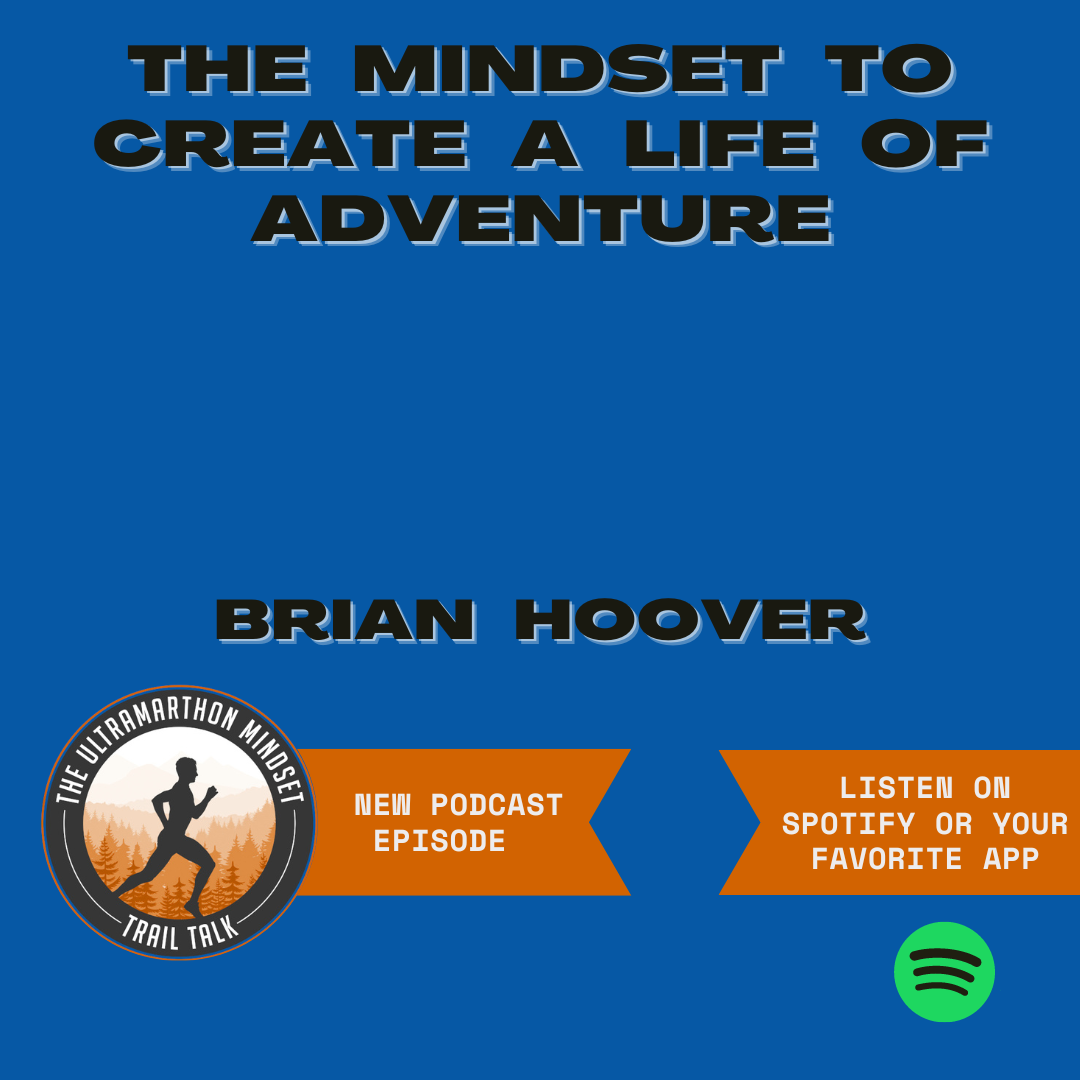
Brian Hoover is a man who loves adventure. And I can’t think of a better person to feature on a best-of episode. This conversation comes from way back in Episode 28.
Brian decided to kayak the Mississippi River from the headwaters to the Gulf of Mexico. My first conversation with him had been about his trek, hiking from Mexico to Canada on the Pacific Crest Trail.
If you love stories that inspire you to find your own adventures, you will love listening to Brian tell about his mindset that lets him pursue experiences that feed his soul.
I did something this year I’ve never done before. I watched the US play in the World Cup.
Yes, we got eliminated. We didn’t play well, and the Netherlands played very well.
If you had told me 5 years ago that I’d be watching soccer (football) on TV and cheering for our team I wouldn’t have believed you.
I’m not a big sports fan. And I thought soccer was boring. I didn’t understand the rules.
But my granddaughters started playing soccer a few years ago. And they are good.
Watching them play, I’ve learned about how the game is played. I understand the excitement and anticipation when you are in scoring position.
My mindset question for you this week: How have you changed your life in the past 3 years?
Carol Dweck is a psychologist who wrote a book talking about the differences between people with fixed mindsets vs those with growth mindsets.
Someone with a growth mindset views intelligence, abilities, and talents as learnable and capable of improvement through effort. On the other hand, someone with a fixed mindset views those same traits as inherently stable and unchangeable over time.
People with fixed mindsets have difficulty changing their life.
My nephew is an example of someone who has a highly fixed mindset.
He avoids doing anything new or different.
Attitude: I might fail, so why should I try?
He finally took a job in food service. He makes salads and prepares ingredients for sandwiches.
He doesn’t particularly like his job.
But when his parents suggest that he find a different job he says, “I don’t know if I’d like doing that.”
Of course: “How will you know unless you try?”
Fixed mindset: “Why should I try if I don’t know for sure?”
My nephew is an extreme example.
Most of us are on a scale somewhere between my nephew and me.
My nephew: Fear of change.
Me: Fear of getting stuck in a rut.
Typical path for mindset: Try new things. Explore what the world has to offer when you are young.
About age 40: settle into familiar routine. Comfortable with what life has to offer. At least comfortable that it is familiar and predictable.
Age 60: Lose interest in learning anything new.
Age 70: Actively resist anything that might make you have to change.
NOT the cast for every person. But this progression is generally true for most people.
If you are like my nephew (glad you’re here). You will have more trouble understanding what I’m about to say.
You can choose what you think!
Napoleon Hill: The greatest gift God has given us.
You can change from a fixed mindset to a growth mindset.
Decide
Think differently
The challenge we face – there is a physical challenge to overcome as well as a psychological challenge.
Your mind runs inside your body like software in a computer.
Your body is the hardware.
Wiring in your brain adapts to the thoughts you think.
Neural pathways are like trails through the woods.
When you think new thoughts, it’s like bushwhacking.
I help my clients manage this change.
If you want to change your mindset, you have to work on both the thoughts you think and the physical side of rewiring your brain.
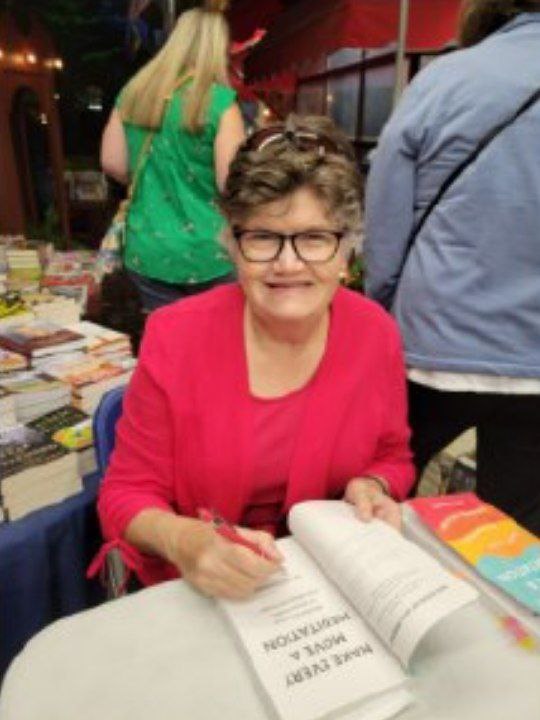
Nita writes about mental health, running and meditation and has published several books.
She didn’t set out to be a long-distance runner.
She is a certified meditation teacher and has been meditating for 30 years.
She started running when she had those hard times because she saw a post from a friend saying that running was fun and she was interested and when she did it she started to feel fulfilled.
She ran a 5K with her sister to raise money for research for the type of cancer her nephew had passed away from.
She had a change of mentality about runners and that led her to keep training until she reached a marathon and then an ultra.
Nita ended up taking a course to run intuitively and understand how her whole body should go in one direction.
Her psychiatrist told her that running was giving her many of the chemical benefits she calls her “happy brain” and people around her began to notice changes.
This year, Nita has not run any races, only volunteered.
Nita was introduced to meditation by her husband early in their relationship.
Things we discussed:
We talked about breakfast and how for her it is the main meal, it also has a lot of emotional meaning for her because of memories of her father and she enjoys eating breakfast a lot.
We talked a bit about intermittent fasting and how breakfast is not always avoided but even though it is something she has tried she doesn’t like it.
She tells us that there are places in her life where she just wants comfort and chooses to live at her own pace.
Nita started her running journey gradually and never thought she would run in races.
In her books she wanted to give people a glimpse into the mind of someone living with chronic depression who has not been cured and still does amazing things.
Nita talks about how when you get together with people who have audacious goals, you will eventually surprise yourself because you will enjoy doing things that you thought you were never going to do.
She talks about the ability to focus your attention and your mind where you want to be.
Bridge questions:
Must-have piece of gear: For her, it’s athletic skirts with pockets.
Strangest thing she has seen: In an abandoned trail she saw a baby carriage.
The word that defines her philosophy of life: Stay.