Category: Podcast

Great conversations with runners and others who have an ultramarathon mindset.

  • Sometimes you need a negative mindset!

    Sometimes you need a negative mindset!

    Speaking notes:

    Do you have that one friend in your life who can always find the worst-case scenario?

    If you’re trying to keep a positive mindset, sometimes it’s exhausting to be with them.

    You try to encourage them and build them up, but it’s like trying to teach a cat to play fetch.

    I’ve said before that worry is a misuse of your imagination.

    Mark Twain: Worry is like paying a debt you don’t owe.

    Mark Twain also said: I am an old man and have known a great many troubles, most of which never happened.

    But your negative friend won’t pay any attention to these ideas.

    You’re probably way ahead of me and expecting me to talk about how powerful a positive mindset can be.
    That is true.

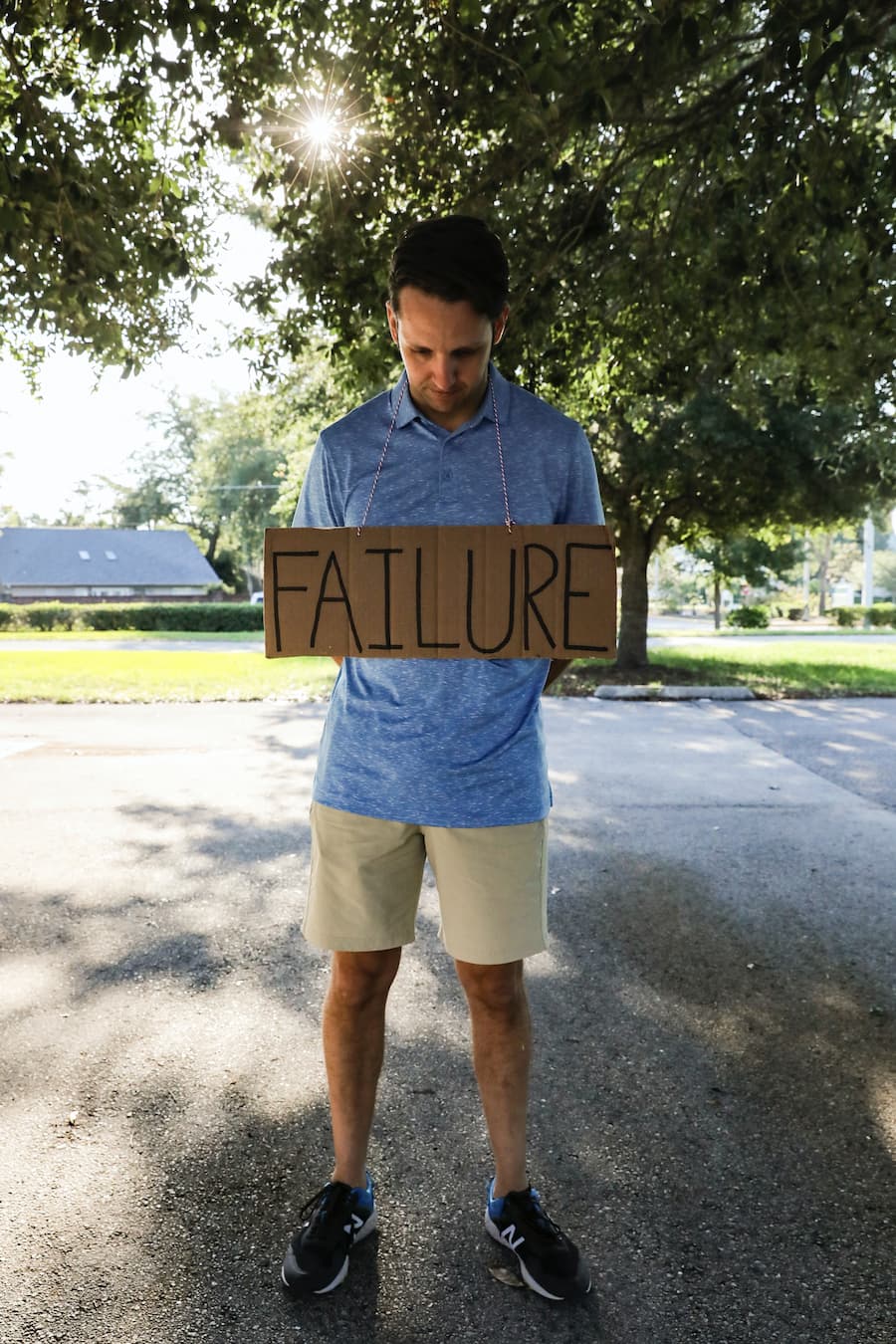
    But today I want to talk about when you might need your negative friend to help you.

    Sometimes you do need to imagine the worst-case scenario.

    Hello, welcome to Monday Morning Mindset!

    I’m Eric Deeter, your host. I’m an ultramarathon runner and mindset coach.

    The Monday Morning Mindset is where I share ideas and tools to help you develop a strong mindset. It’s your mindset that determines your success in whatever you do. And developing a strong mindset is a skill you can learn.

    It was the fall of 2008 and I was a real estate investor.

    It was a great time to be an investor.

    Good deals were a little hard to find, but money was easy to find.

    If you could prove that you were still breathing, the banks would loan you money.

    I think they may have even made some loans to people who were no longer breathing.

    I owned 4 houses: the one I lived in and 3 that I had rehabbed and was trying to sell as “rent-to-own.”

    I knew I was going to get rich!

    Then the economy crashed.

    My rent-to-own schemes failed.

    I had 4 mortgages and the only house occupied was my own.

    And our faux finishing business died overnight.

    We had no income and massive expenses.

    And it was my own fault.

    My stress level was through the roof!

    We had savings that we figured would last us for about 3 months. 

    I didn’t have the background of mindset training I do now. If I had I probably wouldn’t have been in the mess I was in.

    But I found something that worked to get me out of my worry and depression.

    I took a good long look at my worst-case scenario!

    I imagined having all my investment property and my own home go into foreclosure.

    I imagined selling off most of what we owned.

    I imagined moving into a small rental house.

    I imagined going out and looking for what we called “a real job.”

    (We had been self-employed for almost 15 years.)

    And I knew that we would survive a worst-case scenario.

    And I knew God would still love me.

    Looking at the worst-case scenario took me out of my stress and depression and gave me hope.

    We made it through. It wasn’t easy. And I lost more money than I ever thought possible.

    We prayed a lot!

    And Brenda, my partner in life and business, can cook amazing meals that cost very little.

    And my worst-case scenario didn’t happen. We didn’t have to sell the house we lived in. And we stayed in business.

    So my mindset tip for today is in two parts:

    Don’t let your imagination bring you trouble that isn’t real. That’s what worry is.

    But when the crisis is real, you can benefit from imagining the worst-case scenario.

    Imagine it and realize you will survive.

    When a crisis comes, that’s when you need your mindset to be strong.

    You need the ability to see your options and make the best decisions you can.

    I offer a coaching package specifically for crisis situations.

    Ultramindsetpodcast.run – free 25 min. Conversation.
  • Bonus: Stop Thinking Bad!

    Studies show that most of your thoughts are negative. Can you believe it? 

    The better question may be how much can you trust any study. 

    But I’m sure you know how often your mind generates thoughts that aren’t helpful and those that are outright toxic! It’s time to “STOP IT!”.

    (This is a random recording that came out of a microphone test.)

  • Mindset Strategies of the Winningest Boxer – Cam F. Awesome

    Mindset Strategies of the Winningest Boxer – Cam F. Awesome

    Winning at boxing is about mental strategy as much as physical endurance.

    When Cam was 14 years old, it was explained to him how calories and fat loss work. He wanted to lose weight and started exercising to burn more calories. He tried to sign up for sports teams, but he wasn’t very athletic and never made the teams.

    So he decided that every morning he would go roller blading for 2 hours to burn more calories. He expected results after 2 weeks. But when no one notices a change, he didn’t give up. He decided to give his plan 2 months. And it worked. People started telling him he looked thinner.

    He decided that he wanted to take up boxing because he wouldn’t have to “try out” for a team. He went to the boxing gym and planned to just do the training. He wanted to look like 

    a boxer so that bullies would leave him alone and he would look good enough to get a date to the prom. But he didn’t want to actually get in the ring and box. He was there every day to train. He was motivated to follow his plan and look like a boxer.

    After 6 months he was in better shape than all the other boxers. The coach called him out and embarrassed him in to sparring. He was so afraid of getting hit that his sole focus was not getting hit. And he didn’t get hit. He figured out that if he could keep from getting hit he would win fights. 

    He followed this strategy, and within 2 years he was the number one ranked boxer in the country.

    He qualified for the 2008 Olympic boxing trials. He lost in the first day. He was disappointed, but then he realized that all the boxers he was competing against were going to turn pro. All he had to do was stick around and he would be one of the best boxers. And because he didn’t quit, he won Nationals later that year.

    he decided not to go because all those boxers were going to go on to be professional boxers and he was going to be the only one left So he thought if he stayed he was going to be one of the best boxers Because all the experienced guys were gone And so he was because in 2008 he won the Nationals. 

    He continued winning Nationals the following years and has won more National Championships than anyone else in the history of the sport. 

    In 2012 he went back to the Olympic Trials and won the Olympic Trials and became the first to be suspended and kicked off the Olympic team for not filling out paperwork. Because he forgot to tell the drug testing agency that he was leaving the country for a boxing tournament so they showed up at his house in Kansas to give him a random drug test and he wasn’t there. And even though he tested negative this same week to compete in the tournament they, kicked him off. That was a very bad year for him.

    He had the only thing he was good at taken away from him. He fell into depression. And he gained weight.

    He got out of his depression because he lost a bet on a boxing match. As a result he had to go vegan for 28 days. He was training boxers, and one of his clients was vegan. As a result of the lost bet he also had to give up processed foods as well as alcohol. After 28 days he lost 30 pounds and he also realized what a negative person he had become. 

    He read the book, Think and Grow Rich, and decided to put the principle of focusing his mind on the pursuit of happiness. He decided to not start out the morning by looking at the stream of news and information on his phone. He started each morning by making a list of 10 things that he is grateful for. And his rule is that he can’t repeat any item on his list. 

    This conditioned him to look for things each day that he was grateful for and put them in his memory so he will remember them the next morning. Also, he has a rule that you cannot add a person’s name to the list unless you first reach out to them that day and tell them you are glad they are in your life.

    He challenges everyone to try this for 90 days, and if it doesn’t change your life to call him and let him know.

    Bridge Questions:

    What is the most important piece of equipment you use in your training?: His mouth guard.

    What’s the strangest thing you’ve ever seen while boxing?: He told us that one time he was in a fight that he was winning in the National Gold Gloves final, and the person he was fighting throws a punch and he goes to block it and he felt like he was falling for a long time and when he opens his eyes he is out of the ring on his back. The entire boxing ring had collapsed.

    What is your word or phrase that sums up your philosophy of life?: If you can fail without getting discouraged, success becomes inevitable.

    https://camfawesome.com/

    Instagram

    Twitter

    YouTube

    LinkedIn

  • New Seasons, New Year.

    New Seasons, New Year.

    Speaking notes

    Do you remember your New Year’s resolutions?

    It’s been almost 10 months since Jan 1.

    Most of us have long forgotten those good intentions.

    I have good news! Today is the start of a new year!

    And we are at the start of a new season.

    Today is Rosh Hashanah – Jewish new year.

    And last Thursday was the equinox. 

    Going into fall in northern hemisphere.

    Spring is coming to southern hemisphere.

    AND besides, you can start a goal or adjusting your mindset anytime. 

    As far as we know, we humans are the only creatures on this planet with the ability to think about and imagine the future.

    This gives us the ability to plan & set goals.

    It also gives us the ability to procrastinate.

    It’s also what makes us feel like the turning of a new year is a fresh start.

    You have to remember to write a new number when you put the date on something.

    For a majority of people, the start of a new year is the only time they think that they might be able to change their life.

    Most people settle into a routine and it becomes a rut.

    For us who have roads of concrete, asphalt, or gravel the word “rut” is a metaphor.

    Great-grandparents knew about ruts.

    Cars drive in the mud – tires sink in and make a rut.

    Ground dries. 

    You drive on the dirt . . . then wheel drops into a rut. And you’re stuck driving in that rut until you can find a place to get out.

    There are people who are content with being in their rut.

    They have what I call the Excuse Mindset!

    They make excuses about why they can’t have a better life.

    Not my fault.

    It’s not the right time.

    I have to wait until __________.

    Too much work. Too hard.

    I’ll do it later.

    These are the people who feel like the New Year is the time to try to be better.

    I have something for you to think about: There are at least 26 different cultures celebrating the new year on various dates.

    Pick one of those dates and get started.

    Or better yet!

    Change your Excuse Mindset for the POWER MINDSET!

    Not my fault. I am responsible.

    It’s not the right time. I will make it happen.

    I have to wait until _______. No fate but what you make.

    Too much work. Too hard. Break it down into small steps.

    I’ll do it later. I will start now!

    How do you shift from an Excuse Mindset to a Power Mindset?

    DECIDE!

    If you need an excuse to start, today is the Jewish New Year.

    But every day is the start of a new year!

    And every day you have to decide who you want to be and that you will be that person.

    If you’re ready to develop a Power Mindset, CLICK HERE and schedule a 25 min. Conversation.

    I’ll help you get a strategy to overcome the biggest obstacle holding you back.

  • Poet on the Run – Leah Atherton

    Poet on the Run – Leah Atherton

    Running for fun, fastpacking and fell running.

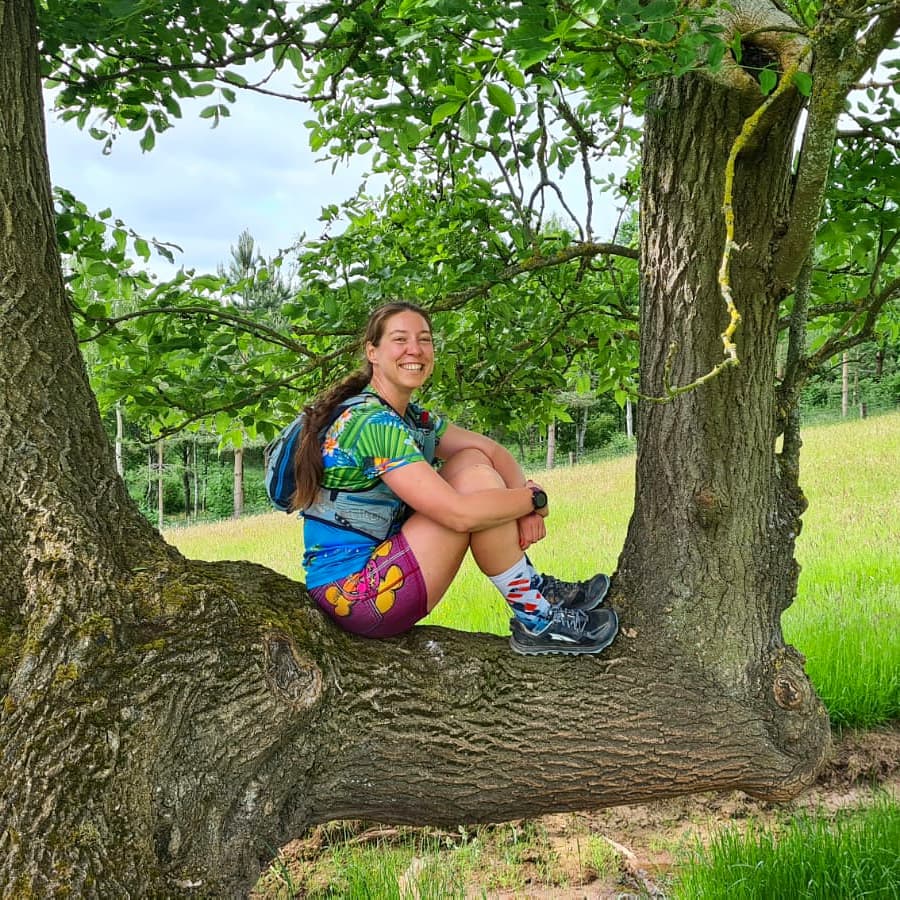
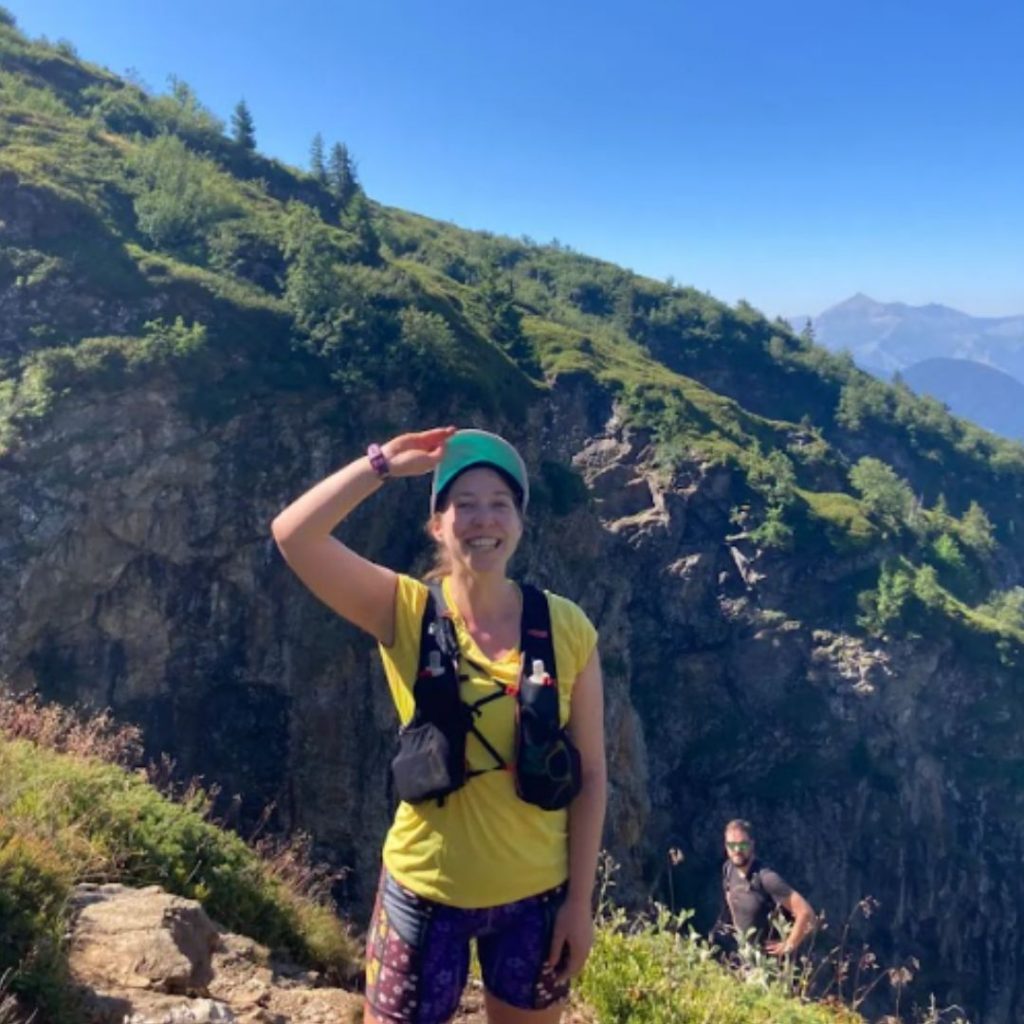
    Leah Atherton has been running for most of her life. But she’s been a serious distance runner for the past 10 years. She enjoyed running cross country in school.  

    Leah also is a poet and has been involved in writing and spoken-word poetry. Her first collection of poems was published a few years ago. She says some of her best writing is done right after a run or sometimes during a run. She enjoys poetry because she can convey her feelings and distill them down and extract the key essence of what she want’s to convey.

    Leah’s father was a runner And they lived in the South West of England and had really nice places to run just for the fun of it. But in her teens she started to have these overwhelming thoughts that if you’re not winning things and you’re not fast, then you shouldn’t do it. So she stopped running. But after her father died, she was living in Spain and started running again. She has always come back to running whenever she’s been away from it, and her focus has always been to do it for fun. Racing didn’t bring her back to running. The draw was the opportunity to go frolic in the woods.

    Leah sees racing as a time challenge or a classroom. In races she learns what works as far as gear and nutrition. And they are also a way for her to experience new types of terrain that she may not have experience running. And having the support of the aid stations and camaraderie of other runners is a benefit. She enjoys the experience and the lessons learned. But she then takes what she’s learned and plans her own adventures running solo for the sheer joy of it.

    I asked Leah about fell running and to explain what it is. I’ve heard the term, but Leah is the first person I’ve had the chance to ask for a definition of it. She says most fell running events are informal. Everyone meets at a pub and pays the barman a few pounds. Then the race starts and you run up a mountain and back down. The first one back to the pub is the winner. There is no marked trail. You find the best way to get up and down the mountain and go. Usually the way up and down is extremely steep.

    Leah also enjoys fastpacking. At it’s heart, fastpacking is like a long-distance hike, except you cover the distance faster. For those who are ultra runners, this sounds like what we call “power hiking.” It’s not quite a run, but it’s “walking with purpose.”

    One of her fastpacking adventures was on the Southwest coast path. It’s a 630 mile trail around the southwest coast of England. She took a tent, sleeping back and kit for a month and ran it solo. She likes the freedom to decide how far to go each day, and to check into a hostel if the weather gets bad. She also led some friends on a fastpack on easier trails and going from hostel to hostel.

    As for gear for fastpacking, Leah recommends carrying several things, but she especially likes to have a down jacket as a Middle Layer in case it gets cold. She says to think of the basics as the kind of mandatory gear you would have for a 100 miler. And make sure you have food with you. She says she doesn’t care if it is only 2 miles to the nearest civilization, she always has something to keep her warm and preferably brightly colored in case someone has to come find you on the side of a mountain. She also always carries a head flashlight. And make sure you have a way to navigate and a way to call for help. She also recommends carrying a compact backpack and making sure you have some basic survival skills to take care of yourself.

    She says that one thing she would recommend to everyone is to go out and do a local race whether it’s a 30k or an 800 because it guarantees that you will learn something about yourself.

    For Leah, this summer has been pretty epic as she has had a year of consolidation and recovery. She’s looking ahead to her next adventures. She has an ambition to up her game and start doing some true mountain adventures. She’s talking to her coach about doing some of the low-key races around the French Alps. She has a spreadsheet of adventures she wants to do. One is the Alta Via in the Dolomites. It’s been on her list for the last 5 years, but she’s been putting it off because she feels the need for better preparation.  But finally something has grabbed her by the collar and has told her yes it’s time to do more of this. She says she would also love to do something like the Appalachian Trail. 

    Questions from the bridge

    The most important piece of running gear is: a running bra.

    The strangest thing you have seen in a race: The race course went past the “murder cottage.” The cottaged suddenly loomed ahead through the black of night and the drizzle and fog. Suddenly green lights began glowing in the cottage. It was the classic scene from every horror movie ever made.

    The word or phrase that sums up your philosophy of life: Choose wonder.

    Instagram

    Linktree

    Fastpacking guide

    Poetry and book

  • You can manage Manage Time.

    You can manage Manage Time.

    Speaking notes

    You may have heard about the mythical concept of time management.

    I can hear you say, Wait a minute! I use time management all the time.

    I work hard to manage my time so I can have work/life balance!

    If you missed Monday Morning Mindset from 2 weeks ago (Sept 5) I explain that work/life balance is also a mythical concept.

    You can’t manage time.

    I first came to the realization that time management is a myth when I wrote my first (and only) book. How to Be Your Own Boss – available on Amazon Kindle and in paperback.

    So let’s think about this idea that you can manage your time.

    When you “manage” something, it suggests that you have some amount of influence over it.

    Manage other people – they are supposed to listen and do what you ask them to do.

    You don’t have complete control, but you make decisions that affect what they do.

    So how much influence do you have over time?

    Can you tell it to slow down or speed up?

    Can you get it to wait for you?

    “Time and tides wait for no one.”

    No, you can’t “manage” time.

    You can only manage yourself and the decisions you make as you move through time.

    Well, isn’t that the same thing? 

    No. It’s not.

    The words you use to describe a thing affect the way you think about it.

    And the way you think about a thing determines the way you interact with it.

    When you use the word “time management” there is a subtle shift in your mind.

    Your mind creates a separation between “you” and “time.”

    What you’re actually trying to is to manage yourself. 

    Actually it’s more like creating a budget. You have only so much time, and you’re choosing how to spend it.

    What difference does it make?

    When you’re “managing” time, your mind separates you (just a bit) from full responsibility.

    Interruptions, distractions, cat videos, & Facebook.

    What I’m supposed to be working on VS what I’m doing right now.

    Managing yourself – puts all the responsibility on you and your decisions. 

    Yes, it’s a subtle difference. 

    But often the difference between success and failure comes down to tiny changes.

    Consider the story of Natalie Bickers from Ep. 76. 

    She entered the Moab 240 trail race.

    Cutoff time: 113 hours – 4 days 17 hours.

    She crossed the finish line in 112:59:58

    Two seconds before the cutoff.

    You may not be in competition, but

    The way you think about time does influence how you act.

    So shift your mindset about your relationship to time.

    Don’t try to manage it.

    Manage yourself. Get that slight edge, and go for success whatever you’re doing.

    If you want to make a shift in your mindset, schedule a free 25 minute conversation with me – ultramindsetpodcast.run

  • Maage Your Energy Not Your Time – Johnathan Prosser.

    Maage Your Energy Not Your Time – Johnathan Prosser.

    Like many ultramarthon runners I’ve talked to on the show, Jonathan Prosser hated running when he was young. But then, his experience with running was in training for high school basketball. Running consisted of sprints with a lot of stopping and starting.

    He started running after he left high school and discovered that he loved it. He started running two mile loops around Washburn University campus. He did it to stay in shape and he thinks the reason he loved running was because there wasn’t a coach yelling at him to go faster. It was his own inner challenge.

    Jonathan started running longer distances in 2019 as part of a goal to complete an Ironoman. He entered a triathlon in Topeka called the Tin Man. It’s an Olympic distance triathlon. 

    His friend, Josh Thompson, had a small group of runners that met at local trails and invited him to go out with them. He enjoyed the woods and found trail running to be harder than road running. But he loves the challenge of trail running and now only occasionally enters any road races.

    In the fall of 2019 he completed his first marathon, the Kansas City Marathon. Then in January of 2020 he finished a 50K trail race. These races made him curious to test his limits as a runner. And he likes the longer distances because he says he’s not a fast runner.

    Johnathan wasn’t satisfied with the 50k distance. He wanted to see what his body was capable of. So in the fall of 2020 he entered the Austin Rattler 66K. It was farther than a 50K, but he felt like he had more to give.

    After the race, he won a drawing for a free entry into the Leadville 100. His first thought was that he would have to find a qualifying race so he could run Leadville. He had the option to postpone his entry for a year. He said it was a good decision that he did so.

    He decided to enter the Silverheels 100 with his friend, Devin Nelson. They didn’t give themselves any time to adjust to running at altitude, and it caused them to struggle. They made it to an aid station at 65 miles and found they were the last ones on the course. The course sweeper was with them and said they had time, but they would have to push hard. Johnathan said that part of what contributed to the DNF was his mindset. Somewhere along the way doubt had crept in and he didn’t think he had time to make the cutoff. Sleep deprivation and lack of calories also contributed.

    He says that for anyone who is thinking about running this far to lean on the power of self-talk. It’s more powerful than you think, and it is something that he now uses in his running.

    After the DNF, he still needed a qualifying race. So he entered the Outlaw 100 in Oklahoma. He finished that race and took the lessons learned into his run at Leadville.

    He says his race started with a funny twist. He was with all 600 or so other runners at the start. Waiting for the race he was taking pictures and enjoying the moment. Then, four minutes before the start, he realizes he doesn’t have his nutrition in his pack. He quickly calls his wife who gets his coach. His coach sprints to get something out of his own car and runs to hand it to Johnathan. He says one of his favorite pictures is of him as the last person across the starting line. And, he ran faster in those first miles as he tried to catch up with the pack.

    His coach gave hun a strategy for his race. He said, “Don’t try to bank time. Focus on banking your energy.” So Johnathan was conservative during the first half of the race. He conquered the challenge of Hope Pass at the turn-around point. But he says that the back side of Hope Pass was even more challenging than the front. 

    But once he got to pick up his pacers, he began to push himself a little more. He began to pass runners who hadn’t managed their energy as well as he had. He was running strong for the final miles and felt great crossing the finish line.

    Next he plans to run the first of October the Ouray 100 and then he will recover and see what he will do next. But he still wants to go further and see how far he can go so he is working with his coach on the possibility of doing a 200 next year. But he knows it won’t be easy. 

    Bridge questions:

    Something you needed but didn’t have at Leadville: An actual headlamp earlier in the race. He had only a small one. 

    Something you had that you didn’t need: Carried too much nutition with me.

    Weirdest thing you’ve seen on the trails: He ran into some students who were getting high and looked at him like he was a weirdo.

    What is the word or phrase that sums up your philosophy of life: Comfort is a slow death.

    Facebook

    ______________________________________________

  • Broken Glass is Everywhere!

    Broken Glass is Everywhere!

    Speaking Notes

    I am a barefoot runner.

    What that means is that I wear minimal sandals when running on trails. 

    I’m going fast enough that a misstep hurts plenty. 

    But on streets and roads, I run barefoot.

    It’s been a good decision for me.

    Last week a lady was walking her dog as I ran by.

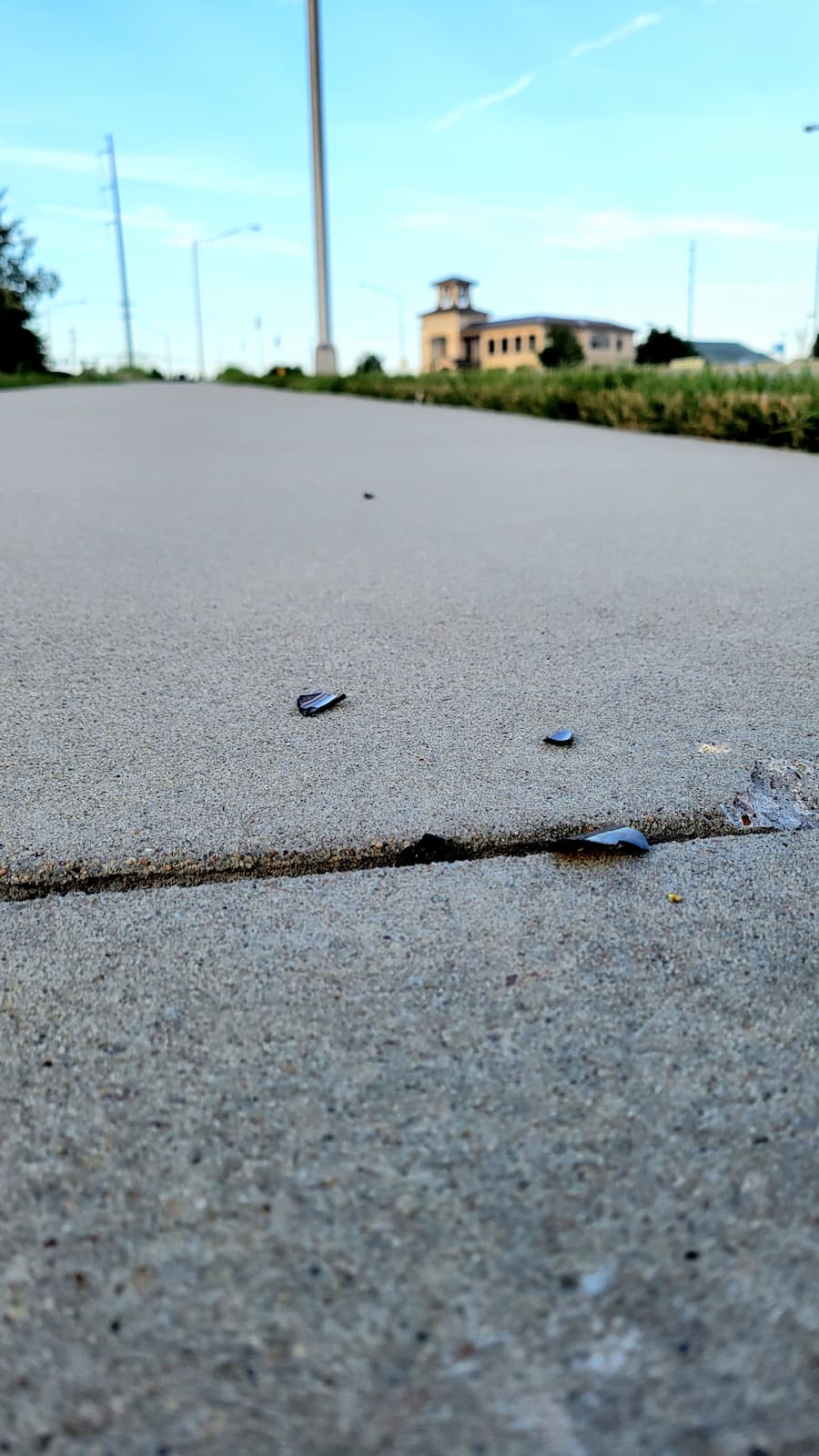
    She asked how I could run barefoot with all the broken glass on the sidewalk.

    I told her that I just avoid all the big pieces.

    But the reality is that there is hardly any broken glass on the sidewalk.

    She saw my bare feet and thought of broken glass and her mind created the idea that it was everywhere.

    This is how our brains work! 

    None of us are good at judging the amount of danger in the world.

    Part of your brain is wired to make you afraid.

    Amygdala – Lizard Brain – in charge of the 4 Fs: Feeding, Fighting, Fleeing, and Reproduction.

    No rational thought. Only survival. “What is out there that will kill me?”

    Anything outside of “normal” is a threat!

    Even bad habits.

    Most of us look at skydiving and bungee jumping as dangerous. Wouldn’t think of it!

    Stats: Just as likely to die at a dance party as you are skydiving.

    50x more likly to die in a canoe as bungee jumping.

    35x more likely to die in a car than riding a bicycle.

    But most of us will still feel safer driving a car than skydiving.

    If you’re happy with your life the way it is, then you don’t need to think about any of this.

    As long as you stay in your comfort zone, you’ll be fine.

    But if you want to have more than an average life, then you need to know how to deal with your lizard brain.

    When I was a kid I was terrified of snakes.

    But I wanted to be like Daniel Boone & Davy Crocket. 

    So I dreamed of being a mountain man. I read books and watched movies.

    But I was afraid to go into the woods.

    I imagined there were snakes everywhere.

    I was not different from the woman who imagined sidewalks full of broken glass.

    Now I spend hours in the woods running trails.

    When a bicycle comes, I have to step into the woods to get out of the way. 

    And I don’t have time to look where I’m stepping.

    But I know the chance of stepping on a snake is low.

    I also know that I’ve run by snakes and never seen them.

    What changed?

    I’ve learned some ways to manage my emotions . . . including fear.

    I had a similar experience when I began running through the rocks and roots in minimal sandals.

    I felt like I was going to tear up my feet because only the bottom was protected.

    Not perfect. But most of my fear was my imagination.

    So how do you get your Lizard Brain to be quiet long enough for you to do the things you want to do?

    I’ve learned several mindset tools you can use to manage the emotion of fear.

    But the first one I learned and the simplest technique to use: Do it afraid!

    The only thing I was more afraid of than snakes was heights.

    A friend promised he could cure my fear of heights.

    We went to Echo Cliff and he explaned the basics of rappeling.

    I backed up to a 50’ cliff and let my heels hang off the edge.

    My heart was hammering and I was hyperventilating.

    But I leaned back and felt the rope stretch and then hold.

    I went down the cliff and survived. Then I did it 10 more times until I wasn’t afraid any more.

    Disclaimer: Do it scared doesn’t mean “be stupid.” 

    Most dangerous words: “Hold my beer & watch this.”

    But there’s a good chance your Lizard Brain is keeping you from something you’d really like to be doing.

    Here’s the takeaway for this Monday Morning Mindset: Feeling fear is natural. Your brain uses fear to try to keep you from dying. But your brain isn’t a good judge of risk (skydive vs dance party). 

    Yes, there is a little glass on the sidewalk. But if you decide to join me and run barefoot, you’ll find there isn’t as much as you imagined.

    What I do as a mindset coach is to show you how to manage your energy, your thoughts, and your emotions.

    That’s what you need for success in ultramarathon.

    You need that when you’re a business owner.

    You need that for LIFE!