Author: Eric Deeter

  • 60 Ironmans at Age 60 – Will Turner

    60 Ironmans at Age 60 – Will Turner

    A mindset to go big to celebrate 60 years

    Imagine what it would be like to plan a big goal for your 60th birthday. It should be something epic and noteworthy. After all, turning sixty is a milestone.

    Will Turner decided that the year he turned sixty he would do sixty Ironman triathlons. A full Ironman is 2.4 miles of swimming, 112 miles on a bike, and running 26.2 miles. Sixty of these in a year is more than one a week!

    After he finished his goal for his sixtieth year, he decided to keep going to 100 Ironman triathlons. Then he discovered he could beat the world record if he did 105 Ironmans within 2 years.

    Will Turner did his first triathlon in 1993. In the early 2000s he was also running marathons Then in 2009, when he turned 50, he decided he wanted to do his first Ironman.  Then he moved on to ultra-endurance triathlons. There are double, triple, quintuple, deca, and double-deca Ironman distances. He has run an ultramarathon distance as part of an ultra-Ironman.

    He did the quintuple Ironman before he decided to do the 60/60. He did it just as a test to push himself and see what he was capable of doing. It was a 12 mile swim, a 560 mile bike and 131 mile run. He missed the cutoff time only seven miles short of the finish line. He says it was a humbling experience, but in retrospect it was a good experience because it helped him go for longer lengths to figure out what he should do differently in his 60/60 year. In that race he basically got to the point where his back was so knotted up that he was walking like Quasimodo, the Hunchback of Notre-Dame. 

    The reason Will has stayed in the world of endurance sports for the last two decades is that he wants to be always pushing himself. It happens that every time you are training or competing there comes a moment when you want to give up and stop or walk. He calls that moment ”the sweet spot.” But when you push through and get to the other side and finish it’s like drinking a golden elixir that fills you with confidence and you realize you can do so much more than you thought you could.

    When he did his first Ironman he was turning 50. A couple of years before he turned 60 he thought he wanted to do something big. He was with a friend a few weeks before he made the big decision and she asked him if he had a big race planned. She was the first to know he wanted to do 6 Ironman in the year he turned 60. She told him about another local athlete who had already done the same thing. He took the 10x principle and decided to do 60 Ironmans. 

    He had two years to do the mental and physical preparation work to see if it was possible. It was a lot of going out on his own and seeing how his body responded and making some adjustments along the way, as well as making sure to build confidence that he was doing it safely and sustainably and would not be injuring himself.

    Will loves the mindset work that goes into endurance sports. He is always testing what works and what doesn’t work. For him the biggest part is the belief, realizing that you can do the distance. This is something he took a long time to create because. He needed time to build that belief in himself, that he can hold on and cover the distance without hurting himself and knowing that he has mechanisms to deal with different situations. Part of his mental training is also to be self-taught in those moments when the going gets tough. He says you can either let the negative mindset derail you, or you can take control of your thoughts and let them lead you in the direction of moving forward. He creates a plan for himself. He has certain affirmations that he uses if he needs them. He also relies on his support people and he can use them as part of his positive self-talk.

    His friend, Chris, helped him reach his goal. Will refers to Chris as his “uber-sherpa.” They went to a lot of amazing places and Chris had only one condition, that he could go to these places to take pictures.  Chris was a mountain biker, and they ended up taking the most amazing pictures together. They put Chris’ pictures into a coffee table book you can buy from Will’s website. They decided to head to various National Parks and they ended up going in a caravan, did a couple of runs in Canada, one near Whistler, and then drove 3,000 miles from Whistler through British Columbia and the Yukon in Canada and across Alaska. Will thinks the first year they averaged 1300 miles a week in driving on top of all the racing.

    He was very inspired by seeing older people who are still doing endurance sports because if they are still doing it at that age it gives him the confidence that it can be done and that he will be one of those people. He plans to be doing endurance sports into his eighties and beyond. And he wants to inspire other people to reach beyond their own mindset limits and do more than they think they can.


    Connect with Will:

    https://www.liveyourbold.com/

    https://www.instagram.com/liveyourbold/

    https://www.facebook.com/liveyourbold/

    https://www.facebook.com/will.turner.5891

  • Make a Powerful Decision

    Make a Powerful Decision

     Speaker notes

    What is the number one most important thing you have to do if you want to have an amazing life? 

    You have to do this if you want to have even a good life.

    You have to do this even to get a mediocre life.

    The better you are at this one thing, the better your life will be.

    And if you have epic skills at this one thing, you can have an epic life.

    So what is the one thing you have to do in order to have an epic life?

    You have to make Powerful Decisions!

    The level of power you put into your decisions will determine the level of epicness in your life.

    If you make good decisions, you’ll have a good life.

    Mediocre decisions – mediocre life.

    Bad decisions . . . you see how this works.

    So what makes a decision powerful? What’s the difference between a regular decision and a powerful one?

    Regular decisions: what I’ll wear, what to have for dinner, what races will I sign up for?

    Powerful decisions affect the direction of and quality of your life!

    Powerful decisions have 3 steps.

    1. Decide what you want.

    I talked about this 2 weeks ago. You need to do the work to get past your ego and politically correct “wants” to your core and passion.

    Sometimes you have to go to what you don’t want and choose the opposite. (Focusing on what you don’t want is a BAD idea.)

    Be specific & know your result.

    NOT: I want better health, get in shape, lose weight.

    Rather: I will weigh under 200# and be able to run/walk 3 mi.

    Eg: I want to have a business that gives me the freedom to work from anywhere so I can have adventures around the world. (Brian Hoover)

    1. I WILL do what it takes to get what I want.

    Important: change I want to I will.

    Have you ever been around someone who doesn’t like their life and only complains about how miserable they are?

    You give them solutions that you know will work, and it’s like they don’t even hear you. 

    They have a victim mindset. It’s someone else’s fault – Parents. Or bad luck. Evil greedy corporations. 

    When you make a decision that you WILL do what it takes to get what you want, you take charge of your destiny.

    You don’t need to know how you’re going to get what you want. The decision will set your mind to work to figure out how to make it happen.

    1. Decide to go all the way to the finish.

    This comes from the mindset you need to run an ultramarathon. 

    Decide before the race what it will take for you to DNF.

    Risk of permanent injury or death = DNF.

    Anything less – Keep moving forward.

    You’ll have plenty of reasons to quit. 

    You need the power of a strong decision to keep going.

    Decide that you will keep going until you get what you want.

    Making powerful decisions will work for anything you want. 

    It’s a good idea to spend time to be sure that what you want is going to be worth the effort.

    I want an epic life. And I want to be around other people who want an epic life. 

    You can do more than you ever imagined.

  • Waiting to Die, Running to Live – Mike Burke

    Waiting to Die, Running to Live – Mike Burke

    A mindset shift saved his life.

    Mike Burke is an executive, personal and life coach. His work is about mental fitness, positive intelligence, and mindset. He began coaching after he wrote the book Waiting to Die, Running to Live, about living with and managing cystic fibrosis. People began to share their stories of life struggles, and he wanted to do more than listen and encourage them. 

    Mike was very sick as an infant, and after many months he was diagnosed with cystic fibrosis at the age of one. As soon as he got on a medical regimen, he started to thrive but when he was diagnosed he was given 5 to 7 years to live. The disease means that Mike’s body doesn’t digest food well, and it creates a thick mucus in the lungs and makes him susceptible to a lot of infections. He did well enough to survive childhood. For him being a kid it was never a big deal, he played soccer and baseball. But the family didn’t talk about his disease. When he was a teenager and got curious, before the internet existed, he rode his bike to the library and checked out a medical journal where he read that the life expectancy was 18 years for those with cystic fibrosis. This frightened him because he was 15 at the time.

    At that time the disease had permanently damaged his digestive system, but not his lungs. He was very thin and played golf in high school. In college he started running, and one day decided he could run pretty far so he ran 13 miles. But after college he started his career and didn’t have time to run or bike.

    At that point he was past the 18-year mark that had scared him, but he felt like he was on borrowed time. He didn’t tell anyone about his disease, and his short life expectancy. But he was running and also cycling about 50 miles a day. 

    After college, he focused on his career. He was traveling the country for sales and moving wherever they needed help. He was promoted to sales director for a big hotel company and he liked to work hard and long hours, and he really wasn’t paying attention to his body. Cystic fibrosis is progressive and aggressive, and he got very sick right around his thirtieth birthday. He realized that if he didn’t do something to manage this disease that he wouldn’t have many more years.

    He moved back to St. Louis and had changed his lifestyle, always revolving around the same doctor. He wanted to exercise so he started running again, but the disease had taken 20% of his lungs. He was competitive and wanted to push himself and started increasing the miles. Soon he was able to run 10, and kept going until he thought he could  run a marathon. He tried twice to make it but had to drop. But in the end he managed to complete his marathon.

    The mindset tool Mike uses in his races is to focus in on one sense. When he did his first Ironman he had never swam in open water. And other swimmers were packed around him and he was getting pummeled. He began hyperventilating, and frustration was growing. Then he calmed himself and focused in on the feeling of being in the water. He calmed down and was able to get in a rhythm. This body awareness is a skill Mike uses to get through the tough parts of the races he runs.

    When Mike was young he thought, “Why work hard in high school?” “I’m never going to go to college” “Why go to college?” “I can never be an adult with a job.” And he says that thank God his father was able to put an end to those thoughts and give him confidence so he committed to going to college and had a positive approach. By the time he graduated he had his mind set on a career and to make the most of life.  He has a good focus on positive things, and when he sinks into negative thinking he tends to look for positive thoughts to pull him out of it. He is now able to recognize the internal dialogue when it comes and get out of it.

    Mike’s Book is called ”Waiting to Die, Running to Live” and he talks about the 2 different mindsets he had in life. At first he was waiting for the worst things to happen. Cystic fibrosis hung over his head as a reality that was supposed to end his life early. But then he shifted his mindset to be as healthy as he could for as long as he could. That’s when he started running and taking on endurance challenges like the Ironman.

    His phrase that describes his life philosophy is to live with confidence and in the face of adversity.


    Connect with Mike:

    http://michaelpatrickburke.com/

    Mike’s book on Amazon

  • Three Roadblocks to Success

    Three Roadblocks to Success

    Speaking notes

    You will face three roadblocks when you set out to be the best version of yourself and go after an epic life.

    These aren’t the only roadblocks, but these are the ones waiting for you right out of the gait. 

    If you are feeling stuck, it’s probably one of these three mental blocks you’re dealing with. 

    If you are trying to grow, be the best version of yourself, you will have resistance. 

    Limiting beliefs that keep you from having what you want.

    Last week I talked about ways to figure out what you want.

    That is the first step!

    Usually you will feel resistance. (You will feel resistance in the process of figuring out what you want.) But once you do, you will bump into your limiting beliefs.

    These limiting beliefs are the reason you don’t already have what you want.

    Power of limiting beliefs is fear. 

    Here are the top 3 fears that keep you stuck.

    1. Fear I don’t deserve to have what I want.

    “Impostor syndrome.” Inner voice: “Who do you think you are?” (voices from PWM) “You’re not good enough.”

    Related: 

    You’re selfish to want to be better than us. (Everyone gets a trophy)

    ** Your success might make others feel bad, so you should hold yourself back.

    ** When you are successful, you shouldn’t feel too good about yourself or celebrate.

    (My belief) To be a good Xan you have to lay aside what you want and do something to serve God.

    If you want something (strong desire) it’s probably not the will of God for your life.

    God only gives you success so you can have money to give away to others. (Not just a Xan belief)

    1. Fear of failure.

    All you perfectionists know what I’m talking about.

    “If there’s a chance I might fail, why even try?”

    Education system reinforces this to perfectionists and indoctrinates the rest of us.

    You need to learn the “right” answers and be ready to show you know the “right” answers when we test you. If you don’t know the “right” answers, you FAIL!

    In real life, there are few times you can’t recover from failure: skydiving

    In real life, failure is the way you accomplish significant things!

    Think about how you learned to walk. Walking is significant!

    You fell down over and over. 

    You didn’t say, “Well, it’s obvious I’m not cut out to be a walker. I’ll stick to crawling”

    But we adults are different. We stick to crawling because we failed or are afraid we might fail.

    1. Fear of success.

    This one is not so obvious. Why would you fear success?

    It’s related to Impostor Syndrome.

    When you have success, your life changes. And most people don’t handle change very well.

    First: Your family and friends know who you are and what to expect from you. They have a file in their mind w/ your name on it. They’ve made up their minds about who you are and what you do and how you fit into their world.

    When you change, 1) They won’t see it. 2) It makes them uncomfortable.

    You can see this when you lose weight or change your hair. You can see it clearly. Friends and family usually won’t notice.

    They don’t see you. They see their memory file of you.

    When you have success, it makes them uncomfortable, because they have to change their file system. Subconsciously they wonder if you’ll still fit in the file system of “People I like and want to hang out with!”

    So success can make you afraid because your friends and family will treat you differently.

    Also, you have the same kind of file system in your mind about who you are.

    And, when you have success, you have to change how you see yourself.

    Your identity determines what you allow yourself to do.

    I’m an omnivore. If a vegan asks me to lunch, I’m willing to eat whatever looks good on the menu.

    But if I offer a vegan a slab of BBQ ribs, they’ll say, “I’m a vegan.”

    I run because I’m a runner. I know how to swim . . . but I’m not a swimmer.

    Fear of success is sneaky. It’s harder to spot. But it can stop you in your tracks just as sure as fear of failure or feeling that you don’t deserve success.

    How do you deal with resistance?

    MINDSET

    You can get past your limiting beliefs. As a mindset coach, I have a variety of strategies to help.

    The first step is making a powerful decision. I’ll talk more about that next week.

    If you are stuck with limiting beliefs, Impostor Syndrome, fear of failure, fear of success, I can help you get started on your road to success. 

    Free mindset reset call: ultramindsetpodcast.run

  • A Mindset for No Regrets – Katie Spotz

    A Mindset for No Regrets – Katie Spotz

    An ultramarathon mindset for finding adventure

    Only one more gym class! That was all Katie Spotz needed to graduate from high school. The problem was that she didn’t care all that much about sports. She played sports, but wasn’t very good at them. So she was trying to find a way to avoid having to take this final gym class. She even thought about getting a note from a doctor to get out of the class.

    She finally chose a class called “Walking and Running.” But she became bored because she was walking in circles around a track. So she decided to try to run a mile. She didn’t think she could, but she tried. To her surprise, she did it. She says that this first mile was the hardest because she had never run that far before and her mindset convinced her it was all but impossible.

    She made another important mindset shift. She asked the question, “If I can run a mile when I thought it was impossible, what else can I do?” She started running farther and before long, she was enjoying life as a runner. For Katie the great thing about running is that it never stops being fun. There are always challenges and opportunities to do more.

    Her first marathon was the Columbus Marathon. After that she knew she wanted to do something else, but she didn’t know anything about endurance. She always told herself she wanted to do an Ironman so since she already knew how to run she looked on the internet for different challenges. She had a feeling she wanted to try to get better at cycling. She found a group doing a 3300 mile bike ride across the United States. It was a fundraiser for the American Lung Association. Her grandmother had just passed away from lung disease so she knew there was no better way to do something in her memory and in her honor.

    She was the youngest rider in the group. Most were a decade older than her. She and 40 other cyclists were doing 85 miles a day. They became their own clan, slept in tents in random fields and spent the day cycling and ate lots of peanut butter and jelly sandwiches.

    A few years later she was planning to do the Race Across America, a bicycle race from Oceanside, CA, to Anapolis, MD. She was planning to enter the team competition and try to set the world record for a 2 person team. She crashed her bike on her final training ride a few days before the race. She thougth it was a pulled muscle, but she had fractured her pelvis. The doctors told her she wouldn’t be able to walk for 4 months. 

    She and her friend didn’t want to give up on doing it together and started looking for alternatives and got a hand bike. Katie says it was really frustrating because you’re working twice as hard to go half as fast. She was still excited to do it, but it was definitely hard not being able to do what she had spent 8 months training her body to do.

    Katie was in Australia for a semester as an exchange student, and she started talking about endurance challenges with her friends. She heard about a woman who rowed across the Atlantic with her 55-year-old mother. She thought that rowing across the Atlantic sounded like the ultimate challenge. The planning took two years. And when she said goodbye to her parents, they all had tears in their eyes because they didn’t know how the adventure would end or if this might be the last time they’d see each other. Katie said that she felt that if she didn’t row across the Atlantic she would spend the rest of her life regretting her missed opportunity.

    She will probably go back to run a few Ironman’s and triathlons again. She also wants to run a race again in Ohio which is her home state.

    Her adventures also serve as a way for her to raise funds for an organization called H2O for Life. This organization works to bring water and sanitation to areas of the world that don’t have access to good water. They have projects all over the world: South Africa and Central America. They even have projects in the Navajo Nation here in the United States as well as Kentucky and West Virginia. There is a link to Katie’s donation page at the bottom of this page. 

    Bridge Questions:

    Her must-have fuel: some watermelon or banana.

    The weirdest thing she’s seen while running: Once at a race she was having hallucinations, and then she saw her uncle who lived in Ohio and thought it was another hallucination and he had actually traveled to see her.

    His philosophy of life: You must have the courage to try things, and even if you fail you are closer to success.

    Connect with Katie:

    https://www.katiespotz.com/

    Give Clean Water

    Instagram

    Facebook

  • Monday Mindset: What do you want?

    Monday Mindset: What do you want?

    Speakers notes

    This is one of the hardest questions to answer. 

    Sounds simple. But it’s not.

    Most of the time you don’t think about what you want.

    And when you do have to think about it, you find out you’re not really sure what it is.

    Imagine this:

    You’re with a friend. One of you says, Let’s grab lunch. 

    The other says, Great! Where do you want to go?

    I don’t know. What do you want?

    This goes back and forth a few times.

    Then you get to the restaurant and look at the menu. It will probably take you several minutes to decide what you want to eat.

    It’s just lunch! And it takes you time and mental energy to figure out what you want to eat today.

    Now, think about how much harder it is to figure out what you want for your relationships, your job, and your life!

    Most people go through life and don’t give much thought to what they want. Every once in a while they open that door. “Financial planning.”

    But you aren’t like most people. You’re listening to Monday Morning Mindset.

    You are looking to grow as a person. Be the best version of yourself.

    Finding out what you want is the starting point.

    This is where I start with my coaching clients. 

    To find the WHAT to change your life takes work.

    Usually under a couple of layers of Facebook answers and political correctness. Or, in my case, a pile of religious beliefs.

    Someday I’ll tell the story of how God delivered me from religion. 

    The point I want to make is that getting down to what you really want takes work.

    But it’s the starting point if you are going to have an epic life.

    Answer the question 3 ways:

    1. Who do I want to be?
    2. What do I want to do?
    3. What do I want to have?

    Last week: 

    Do – Have – Be approach to life. Who I am is based on what I have and do.

    You will never become your best version of yourself with Do-Have-Be

    You must live from your identity.

    So the first question you answer is Who do I want to be?

    Your character and your personality are not set in stone. 

    Your identity is guided by the story you tell yourself about yourself.

    You can change your story!

    Next question:

    What do I want to do?

    What is my assignment? What am I put here on earth to accomplish?

    What is it that lights my fire and fills my soul?

    Next question:

    What do I want to have?

    Ultramarthon: fuel, hydration, crew, pacers, gear, cowbells.

    Life: resources, support of family and friends, coaches and mentors, tools, and fans.

    Answer these questions about what you want for your life, and you will be at the start of your journey to having an EPIC life. 

    Next week I’ll talk about the three roadblocks you may face when you start to figure out what you want. 

    Thanks for listening.

    I’d love to help you get started to living your best life. 

    Free mindset reset call – ultramindsetpodcast.run.

  • Deciding to Make a Change – Maureen Lehr

    Deciding to Make a Change – Maureen Lehr

     A mindset to start changing

     Maureen recently started her coaching business in early 2022. She is a certified running coach and also does personal training. She is uniquely qualified to help her clients because she went through her own transformation from a sedentary lifestyle to now participating in four different endurance sports.

    Maureen was sick and tired of being sick and tired. She was overweight and had challenges to her health. When she went out, people often asked if she were pregnant. She was embarrassed. But the tipping point came when she realized that she would soon have to shop for clothes at the “specialty” stores.

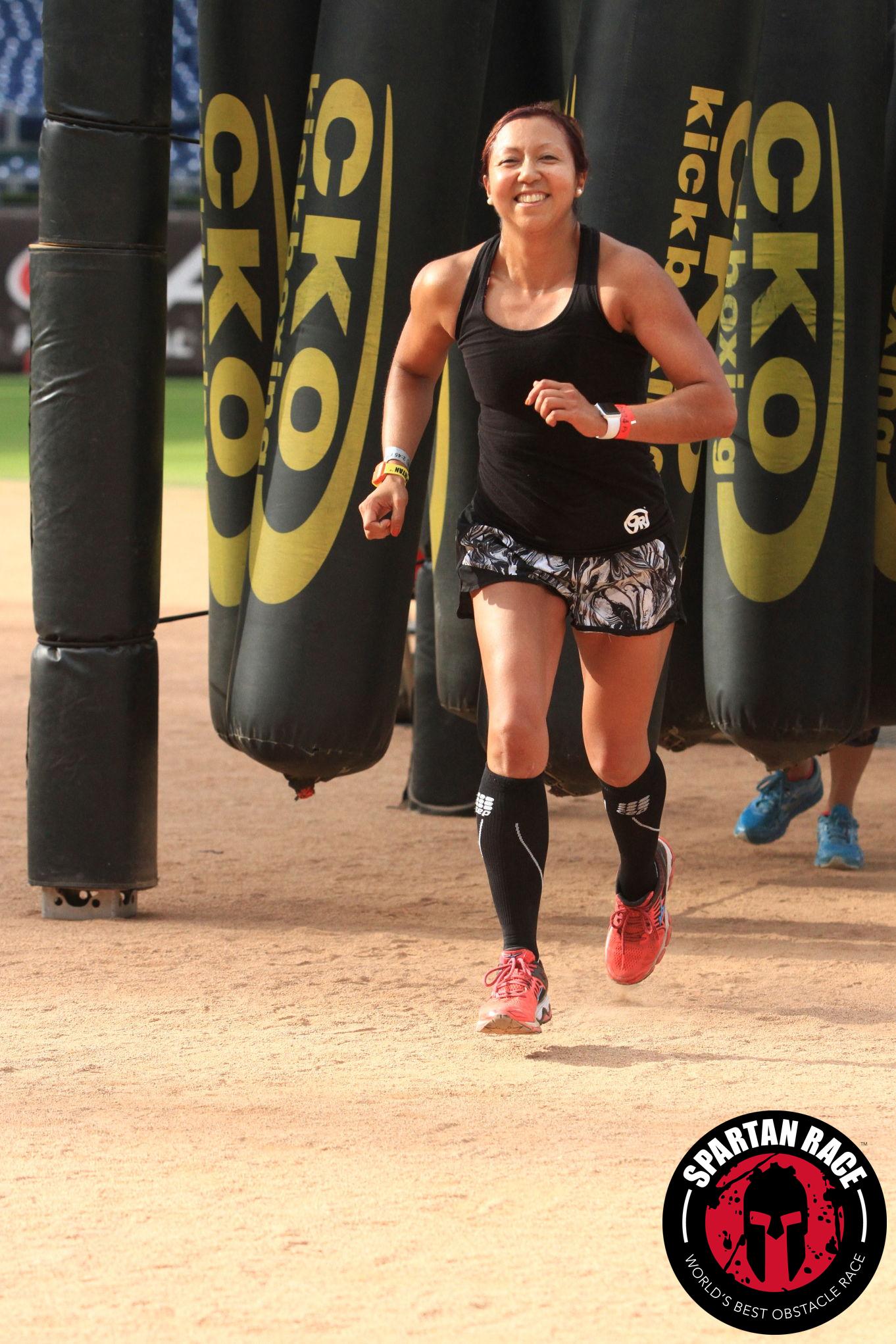
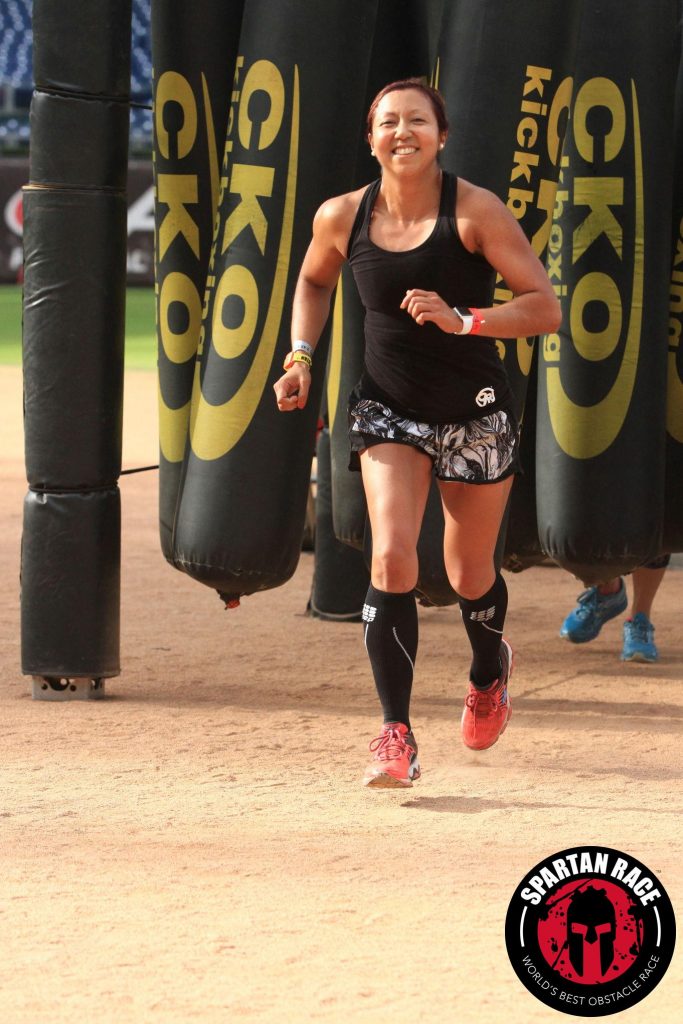
    She got up the courage to try a workout at a kickboxing gym. She soon was going to her kickboxing workout 3 days a week, and then it became 6 days a week. She found it was something she enjoyed.

    She knew that exercise alone wouldn’t be enough to lose the weight she wanted to lose. So she found foods that would help her achieve her goal. Her health issues also limited the foods she chose.

    She says it was funny that when she was losing like 30, 40 pounds nobody noticed because she was wearing the same clothes. The best thing about losing weight, for her, was the feeling of being able to fit into her old clothes again and being able to enjoy exercising, being able to do it continuously and reduce the symptoms of her illnesses.

    Many people don’t know where to start, and it can be frustrating and discouraging when you are at that point, but the best advice she had to offer is to just start.

    It took her 6 months to lose 70 pounds which was fast, she tried to exercise a lot and eat healthy. At that point she started to get bored with boxing and that’s when she started running.

    Running was something she wanted to get back into because it was something she did when she was younger in elementary school and she missed it. She got injured in high school and couldn’t run anymore, so after kickboxing helped her feel stronger she felt like she could run again. 

    When she got bored with kickboxing she realized she could run on her own so she sought out a running community where she lived and joined them. At first she was only doing 5K runs, and she thought that was great. But everyone in her running group was talking about doing half marathons, and everyone signed up. She felt left out because she thought she couldn’t do that distance. She finally signed up and had enough time to be trained before the day of the race. 

    She enjoyed running, but still looked for variety. So when a friend invited her to join in an obstacle course race, she signed up. She enjoyed the challenge and the variety of training different muscle groups.

    Her same desire for variety led her into triathlons. She is still developing her skills and distance in triathlons. She uses her experience as a coach to help her clients find the right mix of training for getting the best outcomes for their goals. She’s seen the benefits of cross training and multiple sports for runners. 

    Her dream race is to do a marathon in her native country of Chile. There is a marathon held every year in the capital city of Santiago. She would like to run with her cousin who lives there.

    Connect with Maureen:

    https://www.instagram.com/coach_maureenv/

  • Does Your Why Matter?

    Does Your Why Matter?

    Speaking notes

    What is your WHY? And does it matter? Do you need to know why you are working for some epic goal?

    A lot of coaches will tell you that you need a strong WHY to keep you moving toward your goal. 

    But is this true? Maybe . . . maybe not.

    Does knowing your WHY help motivate you to your goal?

    Coaches – you need a big enough WHY to have the mindset to keep going when things get tough. “Mile 73.”

    Sounds like good advice. But does it help?

    Yes . . . but. It might not help as much as you think. 

    And for some people it might not help at all.

    Goal-oriented people – finishing the goal is what you do.

    For the rest of us, our reason for setting a goal is harder to pin down.

    The night before my 1st attempt to run a 100 mile race, my wife asked, “Why are you doing this?” (she thought I might die)

    I realized right then I’d never thought about WHY I was running.

    I only knew I had a hunger inside me that needed to go run this race.

    I knew she deserved a better answer. 

    After thinking about it for a few minutes I said, “I need to know if I have what it takes to go that far.”

    For me, it wasn’t knowing my big WHY that was driving me.

    I hadn’t even thought about it. It was there, but in my subconscious.

    But everyone is different. Knowing your WHY might be helpful.

    Here are 3 problems to avoid when finding your big WHY.

    Problem 1: You might now know yourself well enough to get to your big WHY.

    Most of us aren’t good at seeing who we really are. And we usually are offended when a spouse or friend tries to tell us.

    We hire coaches, counselors, and therapists to help us dig through our layers and be better people.

    So when you go to find your WHY, you may not know what’s really going on inside yourself. 

    Problem 2: You aren’t honest with yourself.

    The first answer you’ll get when you try to find your WHY is what you can put on Facebook and Instagram.

    We all do this. 

    You have an image of yourself that you want others to see.

    And then there’s who you are when no one is watching.

    (This version of you is not evil . . . probably not . . . but it’s not as good as your Facebook and Instagram version.)

    Your Facebook and Instagram WHY isn’t strong enough to help you when things get tough – mile 73.

    Problem 3: You get your identity from what you do, what you accomplish.

    So your WHY may be something you will use to pump up your identity instead of coming FROM your identity.

    Our society – DO – HAVE – BE

    You’re conditioned to think your identity is wrapped up in what you HAVE and what you DO (accomplishments).

    This is a weak mindset.

    First – it’s never enough.

    Second – who are you if you fail or lose what you have?

    You need a strong mindset – BE – DO – HAVE

    Mindset: the story you tell yourself about yourself.

    Your mindset forms your identity.

    You decide who you are FIRST. Then what you do comes out of who you are and you have the rewards for what you’ve done.

    When your mindset forms your identity, you can go do EPIC STUFF. You can take risks, because failure doesn’t affect your identity. You try again. 

    When your mindset forms your identity, you are less likely to freak out when you face setbacks or when the world seems to be going to hell.

    Do you need to know your big WHY? Maybe.

    But it’s more important to know who you are (your identity), apart from what you do and what you have.

    The good news is that you get to decide who you are. If the story you tell yourself about yourself isn’t working, you change the story.

    That’s what I help people do as a mindset coach. 

    I can help you get started to your EPIC life. Free mindset reset.

    Ultramindsetpodcast.run